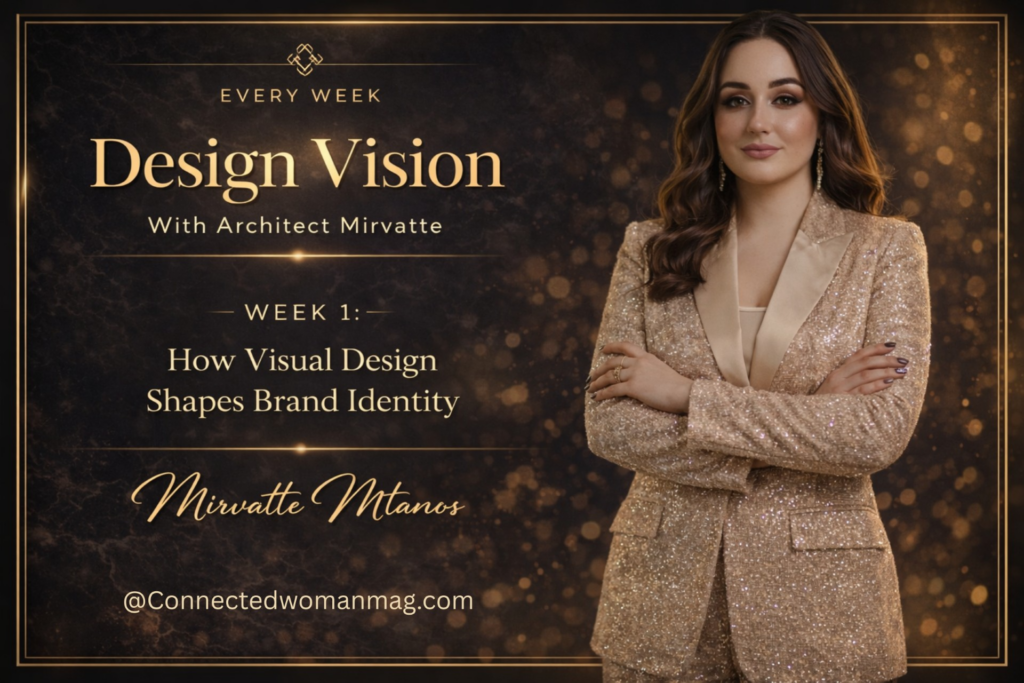
 In today’s fast-moving and highly visual world, a brand is no longer defined
only by what it says, but by what people see and feel the moment they
encounter it. Visual design has become one of the most powerful tools in
shaping brand identity, influencing perception, trust, and emotional connection
within seconds.
A brand’s identity is not just a logo. It is a complete visual language—colors,
typography, composition, and consistency—working together to communicate a
message without words. When these elements are aligned, they create a strong
and memorable presence. When they are not, the brand becomes unclear,
forgettable, or even mistrusted.
One of the most critical roles of visual design is creating the first impression.
Before reading a single sentence or understanding a service, the audience has
already formed an emotional reaction. This reaction is driven entirely by what
they see. A refined and intentional design builds immediate credibility, while
poor design can instantly create doubt.
In today’s fast-moving and highly visual world, a brand is no longer defined
only by what it says, but by what people see and feel the moment they
encounter it. Visual design has become one of the most powerful tools in
shaping brand identity, influencing perception, trust, and emotional connection
within seconds.
A brand’s identity is not just a logo. It is a complete visual language—colors,
typography, composition, and consistency—working together to communicate a
message without words. When these elements are aligned, they create a strong
and memorable presence. When they are not, the brand becomes unclear,
forgettable, or even mistrusted.
One of the most critical roles of visual design is creating the first impression.
Before reading a single sentence or understanding a service, the audience has
already formed an emotional reaction. This reaction is driven entirely by what
they see. A refined and intentional design builds immediate credibility, while
poor design can instantly create doubt.
 Color plays a powerful psychological role in shaping perception. Neutral palettes often communicate elegance and sophistication, while bold tones can express energy, creativity, and innovation. Typography also carries meaning— clean, structured fonts suggest professionalism and clarity, while more expressive styles convey personality and uniqueness. Every visual choice sends
a message, whether intentional or not.
Consistency is another essential pillar of strong brand identity. A brand should
be instantly recognizable across all platforms—social media, websites, printed
materials, and even physical environments. Consistency builds trust and
reinforces presence. It shows that a brand is stable, reliable, and intentional. In
contrast, inconsistency creates confusion and weakens the overall impact.
Beyond aesthetics, visual design is deeply strategic. It translates a brand’s values,
vision, and positioning into a visual experience. It answers fundamental questions:
Who are we? What do we stand for? Who are we speaking to? A successful design
does not only attract attention—it communicates purpose.
As both an interior architect and graphic designer, I believe that brand identity
extends beyond the screen into physical space. Interiors, materials, lighting, and
spatial composition all become part of the brand experience. When graphic and
spatial design are aligned, they create a cohesive and immersive identity that
strengthens the emotional connection with the audience.
Today, audiences are more aware and selective than ever. They are not only
choosing products or services—they are choosing brands they trust and relate to.
Visual design plays a central role in that decision. It is often the first conversation
between a brand and its audience, and in many cases, it determines whether that
conversation continues.
A strong brand does not happen by chance. It is carefully designed, thoughtfully
built, and consistently expressed. In a world driven by visuals, design is not just an
added value—it is a fundamental foundation for success.
Color plays a powerful psychological role in shaping perception. Neutral palettes often communicate elegance and sophistication, while bold tones can express energy, creativity, and innovation. Typography also carries meaning— clean, structured fonts suggest professionalism and clarity, while more expressive styles convey personality and uniqueness. Every visual choice sends
a message, whether intentional or not.
Consistency is another essential pillar of strong brand identity. A brand should
be instantly recognizable across all platforms—social media, websites, printed
materials, and even physical environments. Consistency builds trust and
reinforces presence. It shows that a brand is stable, reliable, and intentional. In
contrast, inconsistency creates confusion and weakens the overall impact.
Beyond aesthetics, visual design is deeply strategic. It translates a brand’s values,
vision, and positioning into a visual experience. It answers fundamental questions:
Who are we? What do we stand for? Who are we speaking to? A successful design
does not only attract attention—it communicates purpose.
As both an interior architect and graphic designer, I believe that brand identity
extends beyond the screen into physical space. Interiors, materials, lighting, and
spatial composition all become part of the brand experience. When graphic and
spatial design are aligned, they create a cohesive and immersive identity that
strengthens the emotional connection with the audience.
Today, audiences are more aware and selective than ever. They are not only
choosing products or services—they are choosing brands they trust and relate to.
Visual design plays a central role in that decision. It is often the first conversation
between a brand and its audience, and in many cases, it determines whether that
conversation continues.
A strong brand does not happen by chance. It is carefully designed, thoughtfully
built, and consistently expressed. In a world driven by visuals, design is not just an
added value—it is a fundamental foundation for success.
“Design is not only what people see — it is what they feel, remember, and trust.”
— Mirvatte Mtanos
Discover more from Connected Woman Magazine
Subscribe to get the latest posts sent to your email.

Hello Mirvatte quick question how does it make you feel to have this nowadays Ai whom can create lots of different designs. Do you feel like your job is being taken away from you?? Or do you think Ai ideas can’t suppress human thoughts?
So inspired by your vision
Excited for the upcoming design insights such valuable perspectives to share!thank you ✨️
Looking forward to the next design discussions so inspiring
Really looking forward to the new design topics always inspiring content!
We are excited for more valued topics about designs!