 Some women survive difficult chapters. Others transform them into a mission that changes lives.
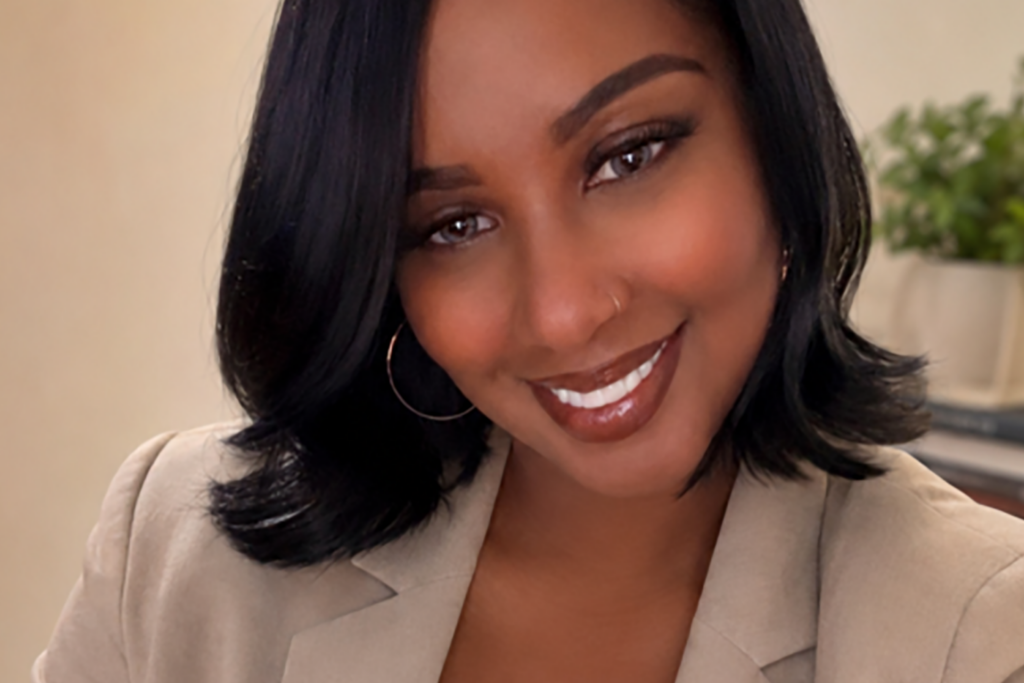
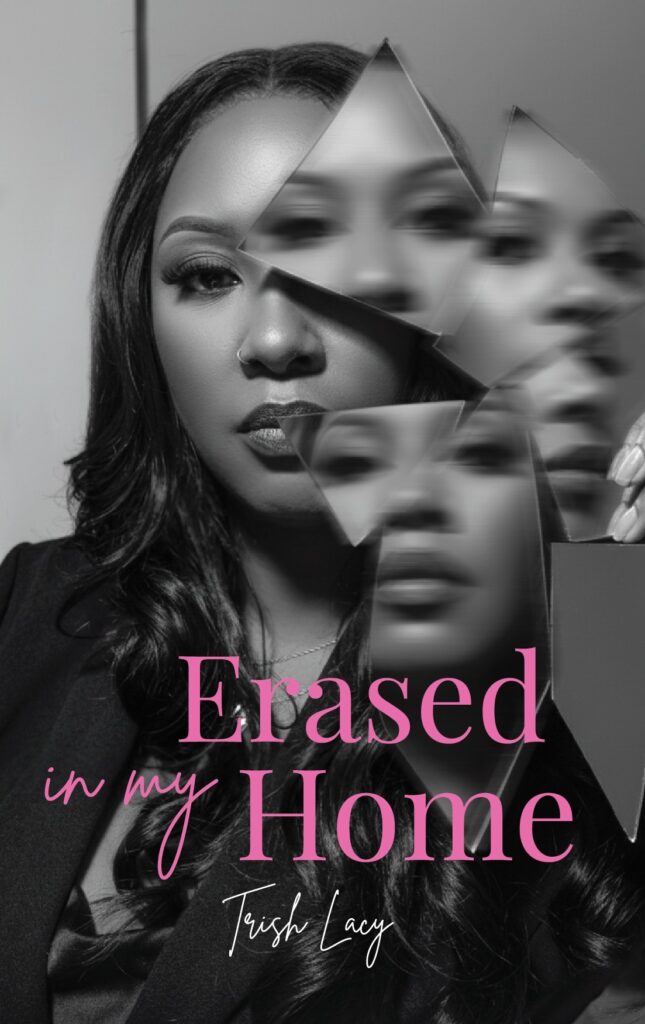
Trish Lacy is an award-winning author, speaker, advocate, and people-focused leader who has dedicated her life to helping others understand that healing is possible and that their story is far from over. Through her powerful memoir, Erased in My Home, Trish courageously shares her journey through emotional abuse, self-erasure, and the long road back to reclaiming her voice and identity.
Today, she is using that experience to empower survivors, amplify underrepresented voices through Next Chapter Media, and build resources that support those navigating life’s most challenging transitions. In this inspiring conversation, Trish opens up about resilience, leadership, motherhood, advocacy, and what it truly means to rewrite your story and step boldly into your next chapter. Let’s meet her…
Some women survive difficult chapters. Others transform them into a mission that changes lives.
Trish Lacy is an award-winning author, speaker, advocate, and people-focused leader who has dedicated her life to helping others understand that healing is possible and that their story is far from over. Through her powerful memoir, Erased in My Home, Trish courageously shares her journey through emotional abuse, self-erasure, and the long road back to reclaiming her voice and identity.
Today, she is using that experience to empower survivors, amplify underrepresented voices through Next Chapter Media, and build resources that support those navigating life’s most challenging transitions. In this inspiring conversation, Trish opens up about resilience, leadership, motherhood, advocacy, and what it truly means to rewrite your story and step boldly into your next chapter. Let’s meet her…
 Your memoir, Erased in My Home, shares an incredibly personal journey through emotional abuse and self-erasure. What was the moment when you realized your story needed to be told publicly, and what fears did you have to overcome before publishing it?
For years, I convinced myself that my story was something I needed to survive, not something I would ever share publicly. Like many survivors, I carried a tremendous amount of shame, even though none of what happened was my fault. I worried about being judged. I worried about how family, friends, colleagues, and even strangers might view me once they knew the truth.
But my greatest fear wasn’t about me.
It was about my daughter.
She lived through many of the same experiences I did. While the abuse may not have been directed at her in the same ways, she witnessed it, absorbed it, and was impacted by it. As parents, we want to protect our children from pain. The thought of publicly sharing our story made me worry about how it might affect her. I questioned whether publishing the book would reopen wounds, draw unwanted attention, or force her to revisit parts of her childhood that neither of us wished had happened.
I wrestled with that decision for a long time.
What ultimately changed my perspective was realizing that silence had never protected
Your memoir, Erased in My Home, shares an incredibly personal journey through emotional abuse and self-erasure. What was the moment when you realized your story needed to be told publicly, and what fears did you have to overcome before publishing it?
For years, I convinced myself that my story was something I needed to survive, not something I would ever share publicly. Like many survivors, I carried a tremendous amount of shame, even though none of what happened was my fault. I worried about being judged. I worried about how family, friends, colleagues, and even strangers might view me once they knew the truth.
But my greatest fear wasn’t about me.
It was about my daughter.
She lived through many of the same experiences I did. While the abuse may not have been directed at her in the same ways, she witnessed it, absorbed it, and was impacted by it. As parents, we want to protect our children from pain. The thought of publicly sharing our story made me worry about how it might affect her. I questioned whether publishing the book would reopen wounds, draw unwanted attention, or force her to revisit parts of her childhood that neither of us wished had happened.
I wrestled with that decision for a long time.
What ultimately changed my perspective was realizing that silence had never protected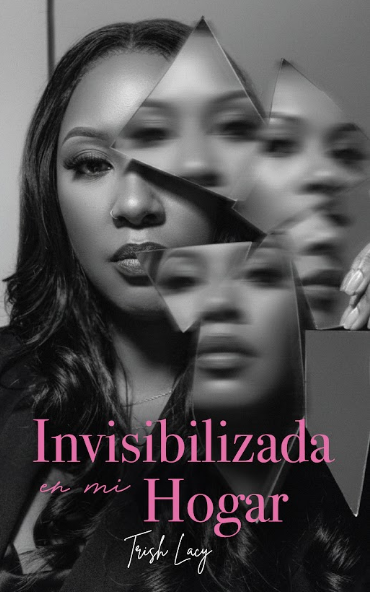 us. Silence had protected the abuse. Silence had protected the shame. Silence had protected the illusion that everything was okay.
One day I looked at my daughter and realized that I wanted her to learn something far more important than how to survive difficult circumstances. I wanted her to see what it looks like to tell the truth. I wanted her to see what courage looks like. I wanted her to understand that the things that happen to us do not define us, and that our voices matter—even when speaking up feels uncomfortable or frightening.
I knew that if I wanted her to grow into a woman who advocated for herself, trusted her instincts, and refused to accept mistreatment, I had to model those behaviors myself.
Publishing Erased in My Home became bigger than telling my story. It became an act of breaking a cycle. It became a declaration that neither my daughter nor I would spend the rest of our lives carrying someone else’s secrets.
Today, I am incredibly proud that she can look at the book and see more than a story about pain. She can see a story about resilience, healing, and the power of choosing yourself. If my journey teaches her anything, I hope it is this: no matter what chapter you find yourself in, you always have the power to pick up the pen and begin writing a new one.
Many survivors of emotional abuse struggle because their experiences often leave no visible scars. What are some of the most misunderstood aspects of emotional abuse that you wish more people recognized and took seriously?
One of the biggest misconceptions is that abuse has to be physical to be damaging. Emotional abuse attacks your identity. It slowly chips away at your confidence, your judgment, your voice, and your sense of reality. The wounds may not be visible, but they can take years to heal.
Another misunderstanding is that people assume someone could simply leave if things were really that bad. What they don’t understand is that emotional abuse often develops gradually. It creates confusion, dependency, self-doubt, fear, and trauma bonds that can make leaving incredibly difficult. By the time many survivors recognize what is happening, they have spent years questioning themselves instead of questioning the behavior.
In my own experience, many of the behaviors mirrored what experts often describe in highly narcissistic or manipulative relationships. There was gaslighting, where I was made to question my memory and perception of events. There was blame-shifting, where responsibility was rarely accepted and somehow everything became my fault. There were periods of criticism, control, and emotional withdrawal that left me constantly trying to earn approval or avoid conflict.
One of the most damaging effects of these dynamics is that they train you to distrust yourself. You stop asking, “Why is this happening to me?” and start asking, “What is wrong with me?” Over time, your confidence erodes, your world gets smaller, and you begin to lose sight of who you were before the relationship.
I also wish people understood that emotional abuse doesn’t just affect the person directly experiencing it. Children who witness these dynamics can absorb the fear, tension, instability, and unhealthy relationship patterns, carrying those lessons into adulthood if they are not addressed.
Perhaps the greatest misconception of all is that healing is simply about getting away from the person who hurt you. Healing is much deeper than that. It is about rebuilding trust in yourself, learning to listen to your own instincts again, reclaiming your identity, and discovering that your voice was never truly lost—it was simply buried beneath years of survival.
That is why emotional abuse deserves to be taken as seriously as any other form of abuse. The scars may be invisible, but the impact on a person’s life, relationships, confidence, and future can be profound.
You often speak about helping women reclaim their voices. What does reclaiming your voice actually look like in practice, and how did that process unfold in your own life?
People often imagine reclaiming your voice as a single courageous moment when you finally speak up and everything changes. For me, it wasn’t that simple. It happened gradually, one small step at a time. But looking back, there was also a moment when my body, my mind, and my soul knew I had reached my limit.
For years, I silenced myself to keep the peace. I learned to make myself smaller, to avoid conflict, to carefully choose my words, and to constantly monitor the moods and reactions of the people around me. I became so focused on managing everyone else’s emotions that I lost touch with my own.
I remember sitting in my car in my driveway after work, crying because I didn’t want to walk into my own house. Home should be the place where you exhale, where you feel safe, where you can be yourself. Instead, it had become a place where I felt anxious and emotionally exhausted before I even opened the front door.
I found myself walking on eggshells, especially when my then-husband and stepdaughter were together in the home. There was a constant tension, an unpredictability that kept me hyperaware of everything I said and did. I was no longer living freely—I was surviving.
What hurt even more was watching my daughter experience it too. She often felt like the odd one out in a home where she deserved to feel loved, protected, and valued. As a mother, there is a unique kind of heartbreak that comes from realizing your child is carrying burdens she should never have to carry.
And eventually, something inside me shifted.
It wasn’t anger. It wasn’t revenge. It was clarity.
My soul had simply had enough.
I realized I could continue teaching my daughter that women endure, shrink, and sacrifice themselves to keep others comfortable—or I could show her something different. I could show her what it looks like to choose herself, to trust her instincts, and to walk away from what diminishes her.
Reclaiming my voice started with believing myself. It meant trusting the things I had spent years talking myself out of. It meant setting boundaries without apologizing. It meant understanding that my feelings, needs, and dreams mattered. It meant no longer asking for permission to take up space in my own life.
Today, reclaiming my voice means using it. Through my books, my advocacy, my leadership, and my conversations with women around the world, I speak the truths I once felt afraid to say out loud.
Because when a woman finds her voice again, she doesn’t just change her own life. She changes what her children believe is possible for theirs.
The title Erased in My Home is both powerful and heartbreaking. Can you share the meaning behind that title and how it reflects the experiences of so many women who may feel invisible in their own lives and relationships?
The title Erased in My Home came from a painful realization: somewhere along the way, I had disappeared from my own life.
Not physically. Emotionally.
I think that’s why the title resonates with so many women. Because for many of us, erasure doesn’t happen overnight. It happens in small, seemingly ordinary moments that accumulate over time.
You become the person who remembers everyone’s appointments, birthdays, schedules, medications, preferences, and responsibilities. You’re the one making sure the groceries are bought, dinner is cooked, bills are paid, homework is done, laundry is folded, and everyone else’s needs are met. You carry the emotional weight of the household while often carrying the financial weight as well.
That was my reality.
I was taking care of my husband, my daughter, my stepdaughter, and eventually my stepdaughter’s child. I was working full-time, managing a demanding career, maintaining the household, grocery shopping, cooking meals, keeping track of everyone’s lives, and making sure everyone else was okay.
Yet no one ever stopped to ask if I was okay.
No one asked if I needed help.
No one asked what I was carrying.
What I often received instead was criticism. If something wasn’t done perfectly, it was noticed. If I was exhausted, overwhelmed, or struggling, it was overlooked. The more I gave, the less visible I became.
I think so many women know exactly what that feels like.
We become so busy taking care of everyone else that we stop taking care of ourselves. We become so accustomed to being needed that we forget we deserve support too. We become so focused on holding everything together that we slowly come apart in private.
For me, being erased wasn’t just about a relationship. It was about losing touch with the woman underneath all the responsibilities. The dreams, needs, desires, and identity that existed beyond being someone’s wife, mother, stepmother, employee, caretaker, or problem solver.
The heartbreaking truth is that many women don’t realize they’re disappearing until they reach a moment where they no longer recognize themselves.
The hopeful truth is that what has been erased can be rediscovered.
The reason I chose this title is because I wanted women to see themselves in it. I wanted the woman who feels exhausted, unseen, underappreciated, or forgotten to know she is not imagining it. Her experience is real. Her needs matter. Her voice matters.
Most importantly, I wanted her to know that she deserves to exist as more than what she does for everyone else.
She deserves to be seen, heard, valued, and loved not for what she gives, but for who she is.
As someone who has transformed pain into purpose, what role did healing play in your transition from survivor to advocate, and how do you balance honoring your past without allowing it to define your future?
Healing was the bridge between surviving and serving.
Before I could help anyone else, I had to help myself. I had to do the difficult work of understanding what happened to me, grieving what I lost, and rebuilding the parts of myself that had been buried beneath years of survival.
Healing wasn’t passive. It was intentional.
I spent countless hours in therapy unpacking trauma, challenging unhealthy beliefs, and learning how to trust myself again. I leaned heavily on my support system, friends, family members, and people who reminded me of who I was when I couldn’t always see it for myself. I worked with a life coach who helped me focus not just on what I had survived, but on what I wanted to create moving forward.
One of the most important decisions I made was choosing not to date for an entire year after my marriage ended. I wasn’t interested in finding someone else. I was interested in finding myself.
For so long, my energy had been devoted to taking care of everyone around me that I had lost touch with my own wants, needs, dreams, and identity. That year became an opportunity to rediscover the woman underneath the responsibilities, the heartbreak, and the labels. I learned what brought me joy. I learned what peace felt like. I learned how to be alone without feeling lonely. Most importantly, I learned that my worth was never dependent on someone else’s ability to see it.
Healing taught me that my story was something I experienced, not my identity.
Today, I honor my past by speaking honestly about it. I don’t minimize it, deny it, or pretend it didn’t shape me. It absolutely shaped me. It made me more empathetic, more resilient, and more committed to helping others who are navigating difficult seasons of their own.
But I refuse to allow it to be the most important thing about me.
I am a survivor, but I am also a mother, leader, author, entrepreneur, advocate, and woman with dreams that extend far beyond my pain. The abuse is part of my story, but it is not the conclusion of it.
The goal isn’t to forget our hardest chapters. The goal is to learn from them, heal through them, and then keep writing. Because the most beautiful part of any story isn’t what broke us. It’s who we became because we chose to heal.
Your work spans leadership, people and culture, writing, advocacy, and entrepreneurship. How have your personal experiences shaped your leadership philosophy, particularly when it comes to creating healthy workplace cultures and supporting employee well-being?
My personal experiences have taught me that people carry stories we know nothing about.
As a leader, I never assume that someone’s performance, behavior, or attitude exists in a vacuum. Behind every employee is a human being navigating challenges, responsibilities, fears, and circumstances that may not be visible to others.
Experiencing emotional abuse taught me the importance of psychological safety. People thrive in environments where they feel respected, heard, and valued. They do not thrive when they are constantly afraid of criticism, humiliation, or failure.
That doesn’t mean avoiding accountability. It means creating cultures where accountability and empathy coexist. Some of the most effective leaders I’ve encountered are those who can challenge people to grow while also making them feel supported in the process.
Today, my leadership philosophy centers on creating workplaces where people feel safe enough to contribute, respected enough to speak honestly, and empowered enough to bring their whole selves to work. When people feel seen, they perform differently. They lead differently. They live differently.
As Director of People & Culture, you spend your professional life helping organizations invest in people. What are some of the leadership lessons you’ve learned about empathy, resilience, and creating environments where people feel valued and heard?
One of the biggest lessons I’ve learned is that people may forget what you said, but they rarely forget how you made them feel.
For a long time, I thought I was doing a good job of hiding what was happening in my personal life. I showed up to work, met deadlines, led teams, and performed at a high level. From the outside, it probably looked like I had everything together.
What people didn’t see was the emotional exhaustion I was carrying behind the scenes.
They didn’t see the nights I cried myself to sleep. They didn’t see the mornings when I had to convince myself to get out of bed and keep going. They didn’t see the stress, the anxiety, or the emotional weight I was carrying while still trying to be a great mother, employee, leader, and provider.
At the time, I thought I was pretending everything was fine.
Looking back, I wasn’t pretending. I was surviving.
That experience fundamentally changed the way I lead. It taught me that there are people sitting in conference rooms, logging into meetings, answering emails, and showing up every day while carrying burdens we know nothing about. They may be navigating grief, caregiving responsibilities, health challenges, financial stress, relationship struggles, or battles they haven’t shared with anyone. That is why empathy matters.
Empathy is not lowering expectations or avoiding accountability. Empathy is recognizing that every person has a story. It is leading with curiosity instead of assumptions. Sometimes the most powerful thing a leader can do is pause, listen, and genuinely ask, “How are you doing?”
I’ve also learned that resilience is often misunderstood.
Many people think resilience means never struggling, never breaking down, or never needing help. My experience taught me the opposite. Resilience isn’t pretending everything is okay. Resilience is continuing to move forward while acknowledging that things are hard.
Some of the most resilient people I know are not the ones who appear strongest from the outside. They are the people who keep showing up despite the challenges they’re facing. They ask for support when they need it. They keep going even when the path forward feels uncertain.
Creating environments where people feel valued begins with consistency. People need to know they matter when they’re succeeding and when they’re struggling. Recognition, transparency, trust, and meaningful communication all play a role in building cultures where employees feel respected and heard.
At the end of the day, organizations don’t transform because of policies. They transform because of people. When people feel seen, supported, and valued, they don’t just become better employees. They become healthier, more engaged, and more empowered versions of themselves.
And that is the kind of workplace every person deserves.
Through Next Chapter Media, you are dedicated to amplifying underrepresented voices. Why is storytelling such a powerful tool for healing, connection, and social change, especially for individuals whose experiences have historically been overlooked?
Stories help people feel less alone.
There is something incredibly powerful about reading someone else’s experience and realizing, “I’m not the only one.”
For so many people, especially those whose voices have historically been overlooked, dismissed, or minimized, storytelling becomes an act of validation. It helps people put words to experiences they may have carried silently for years. It reminds them that what they lived through matters, that their voice matters, and that they are not alone in their struggles.
Stories create connection in ways statistics and facts often cannot. They help us understand experiences outside our own. They challenge assumptions. They create empathy. They inspire action. Most importantly, they remind us of our shared humanity.
Through Next Chapter Media, my goal is not simply to publish books. My goal is to create opportunities.
I want to create opportunities for people whose stories deserve to be heard. I want to help aspiring authors who never believed their dream of becoming a published writer was possible. I want people to see someone who looks like them, sounds like them, or has walked a similar path and think, “If they can do it, maybe I can too.”
One of the most beautiful things about sharing your story is that you rarely know the full impact it will have. A single chapter, a single conversation, or even a single sentence can change the trajectory of someone’s life. It can give them hope. It can give them courage. It can help them make a decision that ultimately changes their future.
Every time someone shares their truth, they give another person permission to do the same.
That is how healing spreads. That is how confidence grows. That is how communities are built. And that is how meaningful change begins.
You are currently developing the Unerased Foundation. What inspired the creation of this organization, and what impact do you hope it will have on survivors, caregivers, and individuals navigating major life transitions?
The UnERASED Foundation was born from a simple realization: healing, support, and opportunity should not be privileges reserved only for those who can afford them.
Part of that realization came from my own healing journey. I benefited from therapy, coaching, supportive relationships, and personal development opportunities that helped me rebuild my life after years of emotional abuse. Those resources played a significant role in my ability to heal and move forward.
But another part of that realization came from being a mother.
My daughter is neurodivergent, and navigating the educational and support systems designed to help children like her has often felt overwhelming and exhausting. There were times when I knew exactly what she needed, but I wasn’t always sure how I was going to access it or afford it. As a parent, there is nothing more frustrating than knowing your child deserves support, services, opportunities, and resources, yet constantly encountering barriers that make those things feel out of reach.
I found myself trapped in what felt like an endless cycle of referrals, evaluations, waiting lists, program recommendations, school transfers, and conversations with organizations that often led to more questions than answers. We were repeatedly sent from one place to another, searching for solutions while still feeling unsupported.
What I discovered during that journey is that so many families are quietly carrying the same burden. They are doing everything they can for the people they love while simultaneously navigating systems that can feel confusing, fragmented, and inaccessible.
That experience reinforced something I already knew from my own healing journey: people don’t just need encouragement. They need access. They need resources. They need community. They need someone willing to help them navigate difficult seasons without making them feel like they have to do it alone.
My vision for the UnERASED Foundation is to create pathways to healing, growth, education, advocacy, and community. I want survivors to know they are not defined by what happened to them. I want caregivers to know they do not have to carry everything alone. I want parents fighting for their children to know they have support. And I want people navigating major life transitions to know that hope, purpose, and possibility still exist, even when the path forward feels uncertain.
At its core, the UnERASED Foundation is about reminding people that their circumstances do not define them. No matter what they’ve survived, what obstacles they’re facing, or how lost they may feel, their story is not over. Sometimes all a person needs is support, resources, guidance, and someone who believes in them long enough for them to start believing in themselves again.
Many women find themselves trapped in cycles of self-doubt after experiencing emotional manipulation. What advice would you offer to someone who is beginning to recognize unhealthy patterns but is still struggling to trust their own voice and instincts?
I would tell her this: The fact that you’re questioning yourself does not automatically mean you’re wrong.
One of the most damaging forms of emotional manipulation is gaslighting. Gaslighting happens when someone repeatedly causes you to question your own reality. It can sound like, “I never said that,” “That didn’t happen,” “You’re remembering it wrong,” “You’re imagining things,” or “You’re too sensitive.”
When it happens occasionally, it’s frustrating. When it happens repeatedly over time, it can be devastating.
You begin to doubt your own memory. You second-guess your instincts. You replay conversations over and over in your head trying to figure out what really happened. You start asking yourself whether you’re overreacting, being unreasonable, or creating problems where none exist.
Eventually, you stop trusting yourself. I’ve been there.
Another pattern I experienced was what happens when you finally work up the courage to express your feelings. Instead of addressing the concern, the other person immediately shifts into victim mode.
You might hear things like, “It’s always my fault,” “I can’t do anything right,” “Nothing I ever do is good enough for you,” or “If you don’t like me, then why are you with me?”
Suddenly, the conversation is no longer about the hurt you’re trying to express. Instead of being heard, you find yourself reassuring them. Instead of discussing the problem, you’re comforting the person who hurt you. The focus shifts away from accountability and back onto managing their emotions.
Over time, many women stop bringing up their feelings altogether because they know the conversation will somehow come back to them.
What I learned is that while someone may deny your experience, they cannot deny your feelings. If you consistently feel hurt, dismissed, confused, anxious, criticized, unsafe, or emotionally drained, those feelings matter. Even if someone else disagrees with your version of events, your emotional experience is still valid.
One of the turning points in my own healing journey was learning to acknowledge how I felt without immediately trying to explain those feelings away. For years, I became skilled at rationalizing behavior. I would tell myself they didn’t mean it that way. I would tell myself I was being too emotional. I would tell myself to be more understanding, more patient, or less reactive.
What I wasn’t doing was listening to myself.
My body was carrying the truth long before my mind was willing to accept it. I was exhausted. I was anxious. I cried in my car before walking into my own home. I was constantly walking on eggshells and anticipating the next conflict. My nervous system knew something wasn’t right, even when I was still trying to convince myself otherwise.
That is why I encourage women to pay attention to patterns rather than isolated incidents. Anyone can have a bad day. Anyone can say the wrong thing. But when confusion, self-doubt, criticism, emotional exhaustion, and the inability to safely express your feelings become recurring themes in your life, it’s worth paying attention.
I also encourage women to seek support from trusted friends, therapists, coaches, mentors, or support groups. Gaslighting thrives in isolation. The more isolated you become, the easier it is to believe the narrative being handed to you. Safe people can help restore perspective and remind you that your voice deserves to be heard.
Most importantly, I want women to know that trusting themselves again is possible.
It starts by honoring what you feel. It starts by acknowledging when something hurts. It starts by giving yourself permission to believe your own experiences.
You do not need someone else’s agreement to validate your reality.
Your feelings matter. And the moment you begin trusting yourself again is often the moment your healing truly begins.
Your work has reached audiences through books, speaking engagements, podcasts, and national campaigns. What message seems to resonate most deeply with the women who connect with your story?
The message that seems to resonate most deeply is that they are not alone.
Women often tell me they saw pieces of themselves in my story. Not necessarily because their situations were identical to mine, but because they understood what it felt like to carry the weight of everyone else’s needs while neglecting their own. They understood what it felt like to question themselves, walk on eggshells, feel unseen, or lose pieces of who they were while trying to hold everything together.
One of the most meaningful responses I’ve received is hearing readers say they couldn’t put the book down. Many have told me they laughed, cried, became frustrated, got angry, and celebrated right alongside me. They became emotionally invested in the outcome. They were rooting for me. More importantly, they were rooting for my daughter. They wanted us to find peace, healing, and happiness because they saw reflections of themselves, their children, or someone they loved within our story.
The response has been amazing and honestly far more meaningful than I ever imagined.
I’ve received messages from women who finally recognized unhealthy patterns in their own relationships. I’ve heard from readers who felt seen for the first time. I’ve spoken with women who said the book gave them the courage to seek therapy, set boundaries, leave unhealthy situations, advocate for themselves, or simply begin prioritizing their own well-being.
What I hope women take away from my story is that healing is possible.
No matter how stuck, exhausted, invisible, or broken you may feel, your circumstances do not define your future. You are stronger than you think, and the chapter you’re in today does not have to be the chapter where your story ends.
If my story has taught me anything, it’s that there is life after survival. And sometimes all someone needs is proof that they’re not walking that path alone.
As a mother, advocate, and leader, how do you define success today compared to how you defined it earlier in your life, before your personal transformation journey began?
Earlier in my life, success looked like achievement.
It looked like promotions, accomplishments, recognition, titles, financial stability, and checking all the boxes society tells us we’re supposed to check. I believed success was something you earned by working harder, doing more, and proving your value to others.
Today, success looks very different.
Success is peace.
Success is being comfortable in my own skin regardless of the room I’m standing in. It’s knowing that I belong at the table without needing anyone else’s validation to prove it. It’s being able to walk into spaces with confidence, not because I think I’m better than anyone else, but because I finally understand my worth.
Success is being honest with myself.
For years, I ignored my own feelings, rationalized unhealthy situations, and convinced myself that if I just worked harder, gave more, or loved harder, things would eventually get better. Today, success means telling myself the truth, even when that truth is uncomfortable. It means honoring my instincts, setting boundaries, and refusing to betray myself to make others comfortable.
Success is loving myself fully. Not the version of me that achieves. Not the version of me that performs. Not the version of me that takes care of everyone else. The whole version of me, flaws, scars, strengths, lessons, and all.
Success is knowing that my circumstances do not define me. What happened to me is part of my story, but it is not my identity. I am not defined by abuse, adversity, mistakes, disappointments, or difficult seasons. I am defined by how I chose to rise from them.
And while my definition of success has evolved, I still value achievement. Promotions matter. Financial stability matters. Financial freedom matters. There is nothing wrong with wanting to succeed professionally, build wealth, create opportunities, and provide security for yourself and the people you love.
The difference is that I no longer measure my worth by those things.
Today, success is knowing that my daughter sees a mother who chose courage over comfort. It’s creating impact through my work, my writing, and my advocacy. It’s helping other people believe in their own potential and reminding them that they are capable of more than they realize.
Success is also knowing that if I don’t see a seat at the table, I am powerful enough to build my own. Whether that’s through my writing, my advocacy, Next Chapter Media, or the UnERASED Foundation, I’ve learned that we don’t have to wait for permission to create the life, opportunities, and impact we want to make.
Of course, I still have goals, ambitions, and dreams. I always will.
But today I understand that success means very little if you lose yourself in the process of achieving it.
The greatest success I’ve found is becoming the woman I was always meant to be.
The Spanish edition of your memoir, Invisibilizada en mi Hogar, expands your message to an even broader audience. Why was it important for you to make your story accessible to Spanish-speaking readers, and what has that response been like?
Healing should never be limited by language.
From the beginning, I knew there were women whose experiences mirrored my own but who might never have access to my story if it remained available only in English. Emotional abuse, self-doubt, and the journey to reclaim your voice are experiences that cross every race, culture, and language.
Making the book available in Spanish was about ensuring more women had the opportunity to see themselves reflected in the story and know that they are not alone.
The response has been incredibly meaningful because it has reinforced something I have always believed: pain is universal, but so is resilience. No matter where we come from or what language we speak, we all want to be seen, heard, understood, and reminded that healing is possible.
Throughout your journey, were there any unexpected lessons or gifts that emerged from your most difficult seasons—lessons that ultimately helped shape the woman and leader you are today?
One of the most unexpected lessons was discovering who I truly was beneath the roles and responsibilities I carried for everyone else.
For a long time, I measured my value by what I could do for other people. I was the caregiver, the problem solver, the peacekeeper, the provider, and the person who made sure everyone else’s needs were met. Somewhere along the way, I stopped asking myself what I needed.
One of the greatest gifts to emerge from that season was self-awareness. I learned that constantly sacrificing yourself is not the same thing as love. Losing yourself is not the price you should have to pay for belonging. And being needed is not the same thing as being valued.
Another unexpected gift was compassion. My experiences taught me to look beyond appearances and recognize that people are often carrying battles we cannot see. It has made me a more empathetic leader, a better listener, and someone who is far less likely to judge what I do not fully understand.
I also discovered a level of resilience I didn’t know I possessed. Not because I survived difficult circumstances, but because I found the courage to rebuild after them. There is a difference between enduring something and transforming because of it.
Most importantly, I learned that our hardest seasons often reveal who we are when everything else has been stripped away. While I would never choose to relive those experiences, they revealed strengths, purpose, conviction, and courage that continue to shape the woman, mother, leader, and advocate I am today.
Perhaps the most important lesson of all was realizing that my worth was never something I had to earn. For years, I believed I had to prove my value through sacrifice, achievement, caregiving, and putting everyone else’s needs ahead of my own. Healing taught me something very different. My worth was always there. I simply had to recognize it.
If you could speak directly to the woman who feels unseen, unheard, and stuck in a chapter she never wanted to be part of, what would you want her to know about healing, hope, and the possibility of rewriting her story?
I would tell her that this is just a chapter. It is not the end of her story.
I know she may feel lost, uncertain, exhausted, ashamed, or alone. I know she may be questioning herself and wondering if things will ever get better.
They can!
Healing doesn’t happen all at once. It happens one choice, one boundary, one act of courage at a time.
One day, you’ll look back and realize that the chapter you were so desperate to escape proved that you were far more powerful than that moment would have you believe. Keep going! Everything you need to become who you’re meant to be is already inside you.
How can our readers connect?
Website
https://trishlacy.com
Amazon Author Page
https://www.amazon.com/author/trishlacy
LinkedIn
https://www.linkedin.com/in/trishlacy-hr
Instagram
https://www.instagram.com/syncerely_trish
Facebook
https://www.facebook.com/trish.lacyauthor
TikTok
https://www.tiktok.com/@iamunerased
Books
Erased in My Home
https://www.amazon.com/dp/B0GHF4WRMN
Invisibilizada en mi Hogar (Spanish Edition)
Available on Amazon
Speaking Engagements, Media Inquiries & Collaborations
Contact through: https://trishlacy.com
Trish Lacy is an author, speaker, advocate, and Director of People & Culture dedicated to helping others reclaim their voices, embrace healing, and recognize that their circumstances do not define their future.
us. Silence had protected the abuse. Silence had protected the shame. Silence had protected the illusion that everything was okay.
One day I looked at my daughter and realized that I wanted her to learn something far more important than how to survive difficult circumstances. I wanted her to see what it looks like to tell the truth. I wanted her to see what courage looks like. I wanted her to understand that the things that happen to us do not define us, and that our voices matter—even when speaking up feels uncomfortable or frightening.
I knew that if I wanted her to grow into a woman who advocated for herself, trusted her instincts, and refused to accept mistreatment, I had to model those behaviors myself.
Publishing Erased in My Home became bigger than telling my story. It became an act of breaking a cycle. It became a declaration that neither my daughter nor I would spend the rest of our lives carrying someone else’s secrets.
Today, I am incredibly proud that she can look at the book and see more than a story about pain. She can see a story about resilience, healing, and the power of choosing yourself. If my journey teaches her anything, I hope it is this: no matter what chapter you find yourself in, you always have the power to pick up the pen and begin writing a new one.
Many survivors of emotional abuse struggle because their experiences often leave no visible scars. What are some of the most misunderstood aspects of emotional abuse that you wish more people recognized and took seriously?
One of the biggest misconceptions is that abuse has to be physical to be damaging. Emotional abuse attacks your identity. It slowly chips away at your confidence, your judgment, your voice, and your sense of reality. The wounds may not be visible, but they can take years to heal.
Another misunderstanding is that people assume someone could simply leave if things were really that bad. What they don’t understand is that emotional abuse often develops gradually. It creates confusion, dependency, self-doubt, fear, and trauma bonds that can make leaving incredibly difficult. By the time many survivors recognize what is happening, they have spent years questioning themselves instead of questioning the behavior.
In my own experience, many of the behaviors mirrored what experts often describe in highly narcissistic or manipulative relationships. There was gaslighting, where I was made to question my memory and perception of events. There was blame-shifting, where responsibility was rarely accepted and somehow everything became my fault. There were periods of criticism, control, and emotional withdrawal that left me constantly trying to earn approval or avoid conflict.
One of the most damaging effects of these dynamics is that they train you to distrust yourself. You stop asking, “Why is this happening to me?” and start asking, “What is wrong with me?” Over time, your confidence erodes, your world gets smaller, and you begin to lose sight of who you were before the relationship.
I also wish people understood that emotional abuse doesn’t just affect the person directly experiencing it. Children who witness these dynamics can absorb the fear, tension, instability, and unhealthy relationship patterns, carrying those lessons into adulthood if they are not addressed.
Perhaps the greatest misconception of all is that healing is simply about getting away from the person who hurt you. Healing is much deeper than that. It is about rebuilding trust in yourself, learning to listen to your own instincts again, reclaiming your identity, and discovering that your voice was never truly lost—it was simply buried beneath years of survival.
That is why emotional abuse deserves to be taken as seriously as any other form of abuse. The scars may be invisible, but the impact on a person’s life, relationships, confidence, and future can be profound.
You often speak about helping women reclaim their voices. What does reclaiming your voice actually look like in practice, and how did that process unfold in your own life?
People often imagine reclaiming your voice as a single courageous moment when you finally speak up and everything changes. For me, it wasn’t that simple. It happened gradually, one small step at a time. But looking back, there was also a moment when my body, my mind, and my soul knew I had reached my limit.
For years, I silenced myself to keep the peace. I learned to make myself smaller, to avoid conflict, to carefully choose my words, and to constantly monitor the moods and reactions of the people around me. I became so focused on managing everyone else’s emotions that I lost touch with my own.
I remember sitting in my car in my driveway after work, crying because I didn’t want to walk into my own house. Home should be the place where you exhale, where you feel safe, where you can be yourself. Instead, it had become a place where I felt anxious and emotionally exhausted before I even opened the front door.
I found myself walking on eggshells, especially when my then-husband and stepdaughter were together in the home. There was a constant tension, an unpredictability that kept me hyperaware of everything I said and did. I was no longer living freely—I was surviving.
What hurt even more was watching my daughter experience it too. She often felt like the odd one out in a home where she deserved to feel loved, protected, and valued. As a mother, there is a unique kind of heartbreak that comes from realizing your child is carrying burdens she should never have to carry.
And eventually, something inside me shifted.
It wasn’t anger. It wasn’t revenge. It was clarity.
My soul had simply had enough.
I realized I could continue teaching my daughter that women endure, shrink, and sacrifice themselves to keep others comfortable—or I could show her something different. I could show her what it looks like to choose herself, to trust her instincts, and to walk away from what diminishes her.
Reclaiming my voice started with believing myself. It meant trusting the things I had spent years talking myself out of. It meant setting boundaries without apologizing. It meant understanding that my feelings, needs, and dreams mattered. It meant no longer asking for permission to take up space in my own life.
Today, reclaiming my voice means using it. Through my books, my advocacy, my leadership, and my conversations with women around the world, I speak the truths I once felt afraid to say out loud.
Because when a woman finds her voice again, she doesn’t just change her own life. She changes what her children believe is possible for theirs.
The title Erased in My Home is both powerful and heartbreaking. Can you share the meaning behind that title and how it reflects the experiences of so many women who may feel invisible in their own lives and relationships?
The title Erased in My Home came from a painful realization: somewhere along the way, I had disappeared from my own life.
Not physically. Emotionally.
I think that’s why the title resonates with so many women. Because for many of us, erasure doesn’t happen overnight. It happens in small, seemingly ordinary moments that accumulate over time.
You become the person who remembers everyone’s appointments, birthdays, schedules, medications, preferences, and responsibilities. You’re the one making sure the groceries are bought, dinner is cooked, bills are paid, homework is done, laundry is folded, and everyone else’s needs are met. You carry the emotional weight of the household while often carrying the financial weight as well.
That was my reality.
I was taking care of my husband, my daughter, my stepdaughter, and eventually my stepdaughter’s child. I was working full-time, managing a demanding career, maintaining the household, grocery shopping, cooking meals, keeping track of everyone’s lives, and making sure everyone else was okay.
Yet no one ever stopped to ask if I was okay.
No one asked if I needed help.
No one asked what I was carrying.
What I often received instead was criticism. If something wasn’t done perfectly, it was noticed. If I was exhausted, overwhelmed, or struggling, it was overlooked. The more I gave, the less visible I became.
I think so many women know exactly what that feels like.
We become so busy taking care of everyone else that we stop taking care of ourselves. We become so accustomed to being needed that we forget we deserve support too. We become so focused on holding everything together that we slowly come apart in private.
For me, being erased wasn’t just about a relationship. It was about losing touch with the woman underneath all the responsibilities. The dreams, needs, desires, and identity that existed beyond being someone’s wife, mother, stepmother, employee, caretaker, or problem solver.
The heartbreaking truth is that many women don’t realize they’re disappearing until they reach a moment where they no longer recognize themselves.
The hopeful truth is that what has been erased can be rediscovered.
The reason I chose this title is because I wanted women to see themselves in it. I wanted the woman who feels exhausted, unseen, underappreciated, or forgotten to know she is not imagining it. Her experience is real. Her needs matter. Her voice matters.
Most importantly, I wanted her to know that she deserves to exist as more than what she does for everyone else.
She deserves to be seen, heard, valued, and loved not for what she gives, but for who she is.
As someone who has transformed pain into purpose, what role did healing play in your transition from survivor to advocate, and how do you balance honoring your past without allowing it to define your future?
Healing was the bridge between surviving and serving.
Before I could help anyone else, I had to help myself. I had to do the difficult work of understanding what happened to me, grieving what I lost, and rebuilding the parts of myself that had been buried beneath years of survival.
Healing wasn’t passive. It was intentional.
I spent countless hours in therapy unpacking trauma, challenging unhealthy beliefs, and learning how to trust myself again. I leaned heavily on my support system, friends, family members, and people who reminded me of who I was when I couldn’t always see it for myself. I worked with a life coach who helped me focus not just on what I had survived, but on what I wanted to create moving forward.
One of the most important decisions I made was choosing not to date for an entire year after my marriage ended. I wasn’t interested in finding someone else. I was interested in finding myself.
For so long, my energy had been devoted to taking care of everyone around me that I had lost touch with my own wants, needs, dreams, and identity. That year became an opportunity to rediscover the woman underneath the responsibilities, the heartbreak, and the labels. I learned what brought me joy. I learned what peace felt like. I learned how to be alone without feeling lonely. Most importantly, I learned that my worth was never dependent on someone else’s ability to see it.
Healing taught me that my story was something I experienced, not my identity.
Today, I honor my past by speaking honestly about it. I don’t minimize it, deny it, or pretend it didn’t shape me. It absolutely shaped me. It made me more empathetic, more resilient, and more committed to helping others who are navigating difficult seasons of their own.
But I refuse to allow it to be the most important thing about me.
I am a survivor, but I am also a mother, leader, author, entrepreneur, advocate, and woman with dreams that extend far beyond my pain. The abuse is part of my story, but it is not the conclusion of it.
The goal isn’t to forget our hardest chapters. The goal is to learn from them, heal through them, and then keep writing. Because the most beautiful part of any story isn’t what broke us. It’s who we became because we chose to heal.
Your work spans leadership, people and culture, writing, advocacy, and entrepreneurship. How have your personal experiences shaped your leadership philosophy, particularly when it comes to creating healthy workplace cultures and supporting employee well-being?
My personal experiences have taught me that people carry stories we know nothing about.
As a leader, I never assume that someone’s performance, behavior, or attitude exists in a vacuum. Behind every employee is a human being navigating challenges, responsibilities, fears, and circumstances that may not be visible to others.
Experiencing emotional abuse taught me the importance of psychological safety. People thrive in environments where they feel respected, heard, and valued. They do not thrive when they are constantly afraid of criticism, humiliation, or failure.
That doesn’t mean avoiding accountability. It means creating cultures where accountability and empathy coexist. Some of the most effective leaders I’ve encountered are those who can challenge people to grow while also making them feel supported in the process.
Today, my leadership philosophy centers on creating workplaces where people feel safe enough to contribute, respected enough to speak honestly, and empowered enough to bring their whole selves to work. When people feel seen, they perform differently. They lead differently. They live differently.
As Director of People & Culture, you spend your professional life helping organizations invest in people. What are some of the leadership lessons you’ve learned about empathy, resilience, and creating environments where people feel valued and heard?
One of the biggest lessons I’ve learned is that people may forget what you said, but they rarely forget how you made them feel.
For a long time, I thought I was doing a good job of hiding what was happening in my personal life. I showed up to work, met deadlines, led teams, and performed at a high level. From the outside, it probably looked like I had everything together.
What people didn’t see was the emotional exhaustion I was carrying behind the scenes.
They didn’t see the nights I cried myself to sleep. They didn’t see the mornings when I had to convince myself to get out of bed and keep going. They didn’t see the stress, the anxiety, or the emotional weight I was carrying while still trying to be a great mother, employee, leader, and provider.
At the time, I thought I was pretending everything was fine.
Looking back, I wasn’t pretending. I was surviving.
That experience fundamentally changed the way I lead. It taught me that there are people sitting in conference rooms, logging into meetings, answering emails, and showing up every day while carrying burdens we know nothing about. They may be navigating grief, caregiving responsibilities, health challenges, financial stress, relationship struggles, or battles they haven’t shared with anyone. That is why empathy matters.
Empathy is not lowering expectations or avoiding accountability. Empathy is recognizing that every person has a story. It is leading with curiosity instead of assumptions. Sometimes the most powerful thing a leader can do is pause, listen, and genuinely ask, “How are you doing?”
I’ve also learned that resilience is often misunderstood.
Many people think resilience means never struggling, never breaking down, or never needing help. My experience taught me the opposite. Resilience isn’t pretending everything is okay. Resilience is continuing to move forward while acknowledging that things are hard.
Some of the most resilient people I know are not the ones who appear strongest from the outside. They are the people who keep showing up despite the challenges they’re facing. They ask for support when they need it. They keep going even when the path forward feels uncertain.
Creating environments where people feel valued begins with consistency. People need to know they matter when they’re succeeding and when they’re struggling. Recognition, transparency, trust, and meaningful communication all play a role in building cultures where employees feel respected and heard.
At the end of the day, organizations don’t transform because of policies. They transform because of people. When people feel seen, supported, and valued, they don’t just become better employees. They become healthier, more engaged, and more empowered versions of themselves.
And that is the kind of workplace every person deserves.
Through Next Chapter Media, you are dedicated to amplifying underrepresented voices. Why is storytelling such a powerful tool for healing, connection, and social change, especially for individuals whose experiences have historically been overlooked?
Stories help people feel less alone.
There is something incredibly powerful about reading someone else’s experience and realizing, “I’m not the only one.”
For so many people, especially those whose voices have historically been overlooked, dismissed, or minimized, storytelling becomes an act of validation. It helps people put words to experiences they may have carried silently for years. It reminds them that what they lived through matters, that their voice matters, and that they are not alone in their struggles.
Stories create connection in ways statistics and facts often cannot. They help us understand experiences outside our own. They challenge assumptions. They create empathy. They inspire action. Most importantly, they remind us of our shared humanity.
Through Next Chapter Media, my goal is not simply to publish books. My goal is to create opportunities.
I want to create opportunities for people whose stories deserve to be heard. I want to help aspiring authors who never believed their dream of becoming a published writer was possible. I want people to see someone who looks like them, sounds like them, or has walked a similar path and think, “If they can do it, maybe I can too.”
One of the most beautiful things about sharing your story is that you rarely know the full impact it will have. A single chapter, a single conversation, or even a single sentence can change the trajectory of someone’s life. It can give them hope. It can give them courage. It can help them make a decision that ultimately changes their future.
Every time someone shares their truth, they give another person permission to do the same.
That is how healing spreads. That is how confidence grows. That is how communities are built. And that is how meaningful change begins.
You are currently developing the Unerased Foundation. What inspired the creation of this organization, and what impact do you hope it will have on survivors, caregivers, and individuals navigating major life transitions?
The UnERASED Foundation was born from a simple realization: healing, support, and opportunity should not be privileges reserved only for those who can afford them.
Part of that realization came from my own healing journey. I benefited from therapy, coaching, supportive relationships, and personal development opportunities that helped me rebuild my life after years of emotional abuse. Those resources played a significant role in my ability to heal and move forward.
But another part of that realization came from being a mother.
My daughter is neurodivergent, and navigating the educational and support systems designed to help children like her has often felt overwhelming and exhausting. There were times when I knew exactly what she needed, but I wasn’t always sure how I was going to access it or afford it. As a parent, there is nothing more frustrating than knowing your child deserves support, services, opportunities, and resources, yet constantly encountering barriers that make those things feel out of reach.
I found myself trapped in what felt like an endless cycle of referrals, evaluations, waiting lists, program recommendations, school transfers, and conversations with organizations that often led to more questions than answers. We were repeatedly sent from one place to another, searching for solutions while still feeling unsupported.
What I discovered during that journey is that so many families are quietly carrying the same burden. They are doing everything they can for the people they love while simultaneously navigating systems that can feel confusing, fragmented, and inaccessible.
That experience reinforced something I already knew from my own healing journey: people don’t just need encouragement. They need access. They need resources. They need community. They need someone willing to help them navigate difficult seasons without making them feel like they have to do it alone.
My vision for the UnERASED Foundation is to create pathways to healing, growth, education, advocacy, and community. I want survivors to know they are not defined by what happened to them. I want caregivers to know they do not have to carry everything alone. I want parents fighting for their children to know they have support. And I want people navigating major life transitions to know that hope, purpose, and possibility still exist, even when the path forward feels uncertain.
At its core, the UnERASED Foundation is about reminding people that their circumstances do not define them. No matter what they’ve survived, what obstacles they’re facing, or how lost they may feel, their story is not over. Sometimes all a person needs is support, resources, guidance, and someone who believes in them long enough for them to start believing in themselves again.
Many women find themselves trapped in cycles of self-doubt after experiencing emotional manipulation. What advice would you offer to someone who is beginning to recognize unhealthy patterns but is still struggling to trust their own voice and instincts?
I would tell her this: The fact that you’re questioning yourself does not automatically mean you’re wrong.
One of the most damaging forms of emotional manipulation is gaslighting. Gaslighting happens when someone repeatedly causes you to question your own reality. It can sound like, “I never said that,” “That didn’t happen,” “You’re remembering it wrong,” “You’re imagining things,” or “You’re too sensitive.”
When it happens occasionally, it’s frustrating. When it happens repeatedly over time, it can be devastating.
You begin to doubt your own memory. You second-guess your instincts. You replay conversations over and over in your head trying to figure out what really happened. You start asking yourself whether you’re overreacting, being unreasonable, or creating problems where none exist.
Eventually, you stop trusting yourself. I’ve been there.
Another pattern I experienced was what happens when you finally work up the courage to express your feelings. Instead of addressing the concern, the other person immediately shifts into victim mode.
You might hear things like, “It’s always my fault,” “I can’t do anything right,” “Nothing I ever do is good enough for you,” or “If you don’t like me, then why are you with me?”
Suddenly, the conversation is no longer about the hurt you’re trying to express. Instead of being heard, you find yourself reassuring them. Instead of discussing the problem, you’re comforting the person who hurt you. The focus shifts away from accountability and back onto managing their emotions.
Over time, many women stop bringing up their feelings altogether because they know the conversation will somehow come back to them.
What I learned is that while someone may deny your experience, they cannot deny your feelings. If you consistently feel hurt, dismissed, confused, anxious, criticized, unsafe, or emotionally drained, those feelings matter. Even if someone else disagrees with your version of events, your emotional experience is still valid.
One of the turning points in my own healing journey was learning to acknowledge how I felt without immediately trying to explain those feelings away. For years, I became skilled at rationalizing behavior. I would tell myself they didn’t mean it that way. I would tell myself I was being too emotional. I would tell myself to be more understanding, more patient, or less reactive.
What I wasn’t doing was listening to myself.
My body was carrying the truth long before my mind was willing to accept it. I was exhausted. I was anxious. I cried in my car before walking into my own home. I was constantly walking on eggshells and anticipating the next conflict. My nervous system knew something wasn’t right, even when I was still trying to convince myself otherwise.
That is why I encourage women to pay attention to patterns rather than isolated incidents. Anyone can have a bad day. Anyone can say the wrong thing. But when confusion, self-doubt, criticism, emotional exhaustion, and the inability to safely express your feelings become recurring themes in your life, it’s worth paying attention.
I also encourage women to seek support from trusted friends, therapists, coaches, mentors, or support groups. Gaslighting thrives in isolation. The more isolated you become, the easier it is to believe the narrative being handed to you. Safe people can help restore perspective and remind you that your voice deserves to be heard.
Most importantly, I want women to know that trusting themselves again is possible.
It starts by honoring what you feel. It starts by acknowledging when something hurts. It starts by giving yourself permission to believe your own experiences.
You do not need someone else’s agreement to validate your reality.
Your feelings matter. And the moment you begin trusting yourself again is often the moment your healing truly begins.
Your work has reached audiences through books, speaking engagements, podcasts, and national campaigns. What message seems to resonate most deeply with the women who connect with your story?
The message that seems to resonate most deeply is that they are not alone.
Women often tell me they saw pieces of themselves in my story. Not necessarily because their situations were identical to mine, but because they understood what it felt like to carry the weight of everyone else’s needs while neglecting their own. They understood what it felt like to question themselves, walk on eggshells, feel unseen, or lose pieces of who they were while trying to hold everything together.
One of the most meaningful responses I’ve received is hearing readers say they couldn’t put the book down. Many have told me they laughed, cried, became frustrated, got angry, and celebrated right alongside me. They became emotionally invested in the outcome. They were rooting for me. More importantly, they were rooting for my daughter. They wanted us to find peace, healing, and happiness because they saw reflections of themselves, their children, or someone they loved within our story.
The response has been amazing and honestly far more meaningful than I ever imagined.
I’ve received messages from women who finally recognized unhealthy patterns in their own relationships. I’ve heard from readers who felt seen for the first time. I’ve spoken with women who said the book gave them the courage to seek therapy, set boundaries, leave unhealthy situations, advocate for themselves, or simply begin prioritizing their own well-being.
What I hope women take away from my story is that healing is possible.
No matter how stuck, exhausted, invisible, or broken you may feel, your circumstances do not define your future. You are stronger than you think, and the chapter you’re in today does not have to be the chapter where your story ends.
If my story has taught me anything, it’s that there is life after survival. And sometimes all someone needs is proof that they’re not walking that path alone.
As a mother, advocate, and leader, how do you define success today compared to how you defined it earlier in your life, before your personal transformation journey began?
Earlier in my life, success looked like achievement.
It looked like promotions, accomplishments, recognition, titles, financial stability, and checking all the boxes society tells us we’re supposed to check. I believed success was something you earned by working harder, doing more, and proving your value to others.
Today, success looks very different.
Success is peace.
Success is being comfortable in my own skin regardless of the room I’m standing in. It’s knowing that I belong at the table without needing anyone else’s validation to prove it. It’s being able to walk into spaces with confidence, not because I think I’m better than anyone else, but because I finally understand my worth.
Success is being honest with myself.
For years, I ignored my own feelings, rationalized unhealthy situations, and convinced myself that if I just worked harder, gave more, or loved harder, things would eventually get better. Today, success means telling myself the truth, even when that truth is uncomfortable. It means honoring my instincts, setting boundaries, and refusing to betray myself to make others comfortable.
Success is loving myself fully. Not the version of me that achieves. Not the version of me that performs. Not the version of me that takes care of everyone else. The whole version of me, flaws, scars, strengths, lessons, and all.
Success is knowing that my circumstances do not define me. What happened to me is part of my story, but it is not my identity. I am not defined by abuse, adversity, mistakes, disappointments, or difficult seasons. I am defined by how I chose to rise from them.
And while my definition of success has evolved, I still value achievement. Promotions matter. Financial stability matters. Financial freedom matters. There is nothing wrong with wanting to succeed professionally, build wealth, create opportunities, and provide security for yourself and the people you love.
The difference is that I no longer measure my worth by those things.
Today, success is knowing that my daughter sees a mother who chose courage over comfort. It’s creating impact through my work, my writing, and my advocacy. It’s helping other people believe in their own potential and reminding them that they are capable of more than they realize.
Success is also knowing that if I don’t see a seat at the table, I am powerful enough to build my own. Whether that’s through my writing, my advocacy, Next Chapter Media, or the UnERASED Foundation, I’ve learned that we don’t have to wait for permission to create the life, opportunities, and impact we want to make.
Of course, I still have goals, ambitions, and dreams. I always will.
But today I understand that success means very little if you lose yourself in the process of achieving it.
The greatest success I’ve found is becoming the woman I was always meant to be.
The Spanish edition of your memoir, Invisibilizada en mi Hogar, expands your message to an even broader audience. Why was it important for you to make your story accessible to Spanish-speaking readers, and what has that response been like?
Healing should never be limited by language.
From the beginning, I knew there were women whose experiences mirrored my own but who might never have access to my story if it remained available only in English. Emotional abuse, self-doubt, and the journey to reclaim your voice are experiences that cross every race, culture, and language.
Making the book available in Spanish was about ensuring more women had the opportunity to see themselves reflected in the story and know that they are not alone.
The response has been incredibly meaningful because it has reinforced something I have always believed: pain is universal, but so is resilience. No matter where we come from or what language we speak, we all want to be seen, heard, understood, and reminded that healing is possible.
Throughout your journey, were there any unexpected lessons or gifts that emerged from your most difficult seasons—lessons that ultimately helped shape the woman and leader you are today?
One of the most unexpected lessons was discovering who I truly was beneath the roles and responsibilities I carried for everyone else.
For a long time, I measured my value by what I could do for other people. I was the caregiver, the problem solver, the peacekeeper, the provider, and the person who made sure everyone else’s needs were met. Somewhere along the way, I stopped asking myself what I needed.
One of the greatest gifts to emerge from that season was self-awareness. I learned that constantly sacrificing yourself is not the same thing as love. Losing yourself is not the price you should have to pay for belonging. And being needed is not the same thing as being valued.
Another unexpected gift was compassion. My experiences taught me to look beyond appearances and recognize that people are often carrying battles we cannot see. It has made me a more empathetic leader, a better listener, and someone who is far less likely to judge what I do not fully understand.
I also discovered a level of resilience I didn’t know I possessed. Not because I survived difficult circumstances, but because I found the courage to rebuild after them. There is a difference between enduring something and transforming because of it.
Most importantly, I learned that our hardest seasons often reveal who we are when everything else has been stripped away. While I would never choose to relive those experiences, they revealed strengths, purpose, conviction, and courage that continue to shape the woman, mother, leader, and advocate I am today.
Perhaps the most important lesson of all was realizing that my worth was never something I had to earn. For years, I believed I had to prove my value through sacrifice, achievement, caregiving, and putting everyone else’s needs ahead of my own. Healing taught me something very different. My worth was always there. I simply had to recognize it.
If you could speak directly to the woman who feels unseen, unheard, and stuck in a chapter she never wanted to be part of, what would you want her to know about healing, hope, and the possibility of rewriting her story?
I would tell her that this is just a chapter. It is not the end of her story.
I know she may feel lost, uncertain, exhausted, ashamed, or alone. I know she may be questioning herself and wondering if things will ever get better.
They can!
Healing doesn’t happen all at once. It happens one choice, one boundary, one act of courage at a time.
One day, you’ll look back and realize that the chapter you were so desperate to escape proved that you were far more powerful than that moment would have you believe. Keep going! Everything you need to become who you’re meant to be is already inside you.
How can our readers connect?
Website
https://trishlacy.com
Amazon Author Page
https://www.amazon.com/author/trishlacy
LinkedIn
https://www.linkedin.com/in/trishlacy-hr
Instagram
https://www.instagram.com/syncerely_trish
Facebook
https://www.facebook.com/trish.lacyauthor
TikTok
https://www.tiktok.com/@iamunerased
Books
Erased in My Home
https://www.amazon.com/dp/B0GHF4WRMN
Invisibilizada en mi Hogar (Spanish Edition)
Available on Amazon
Speaking Engagements, Media Inquiries & Collaborations
Contact through: https://trishlacy.com
Trish Lacy is an author, speaker, advocate, and Director of People & Culture dedicated to helping others reclaim their voices, embrace healing, and recognize that their circumstances do not define their future.
Discover more from Connected Woman Magazine
Subscribe to get the latest posts sent to your email.