
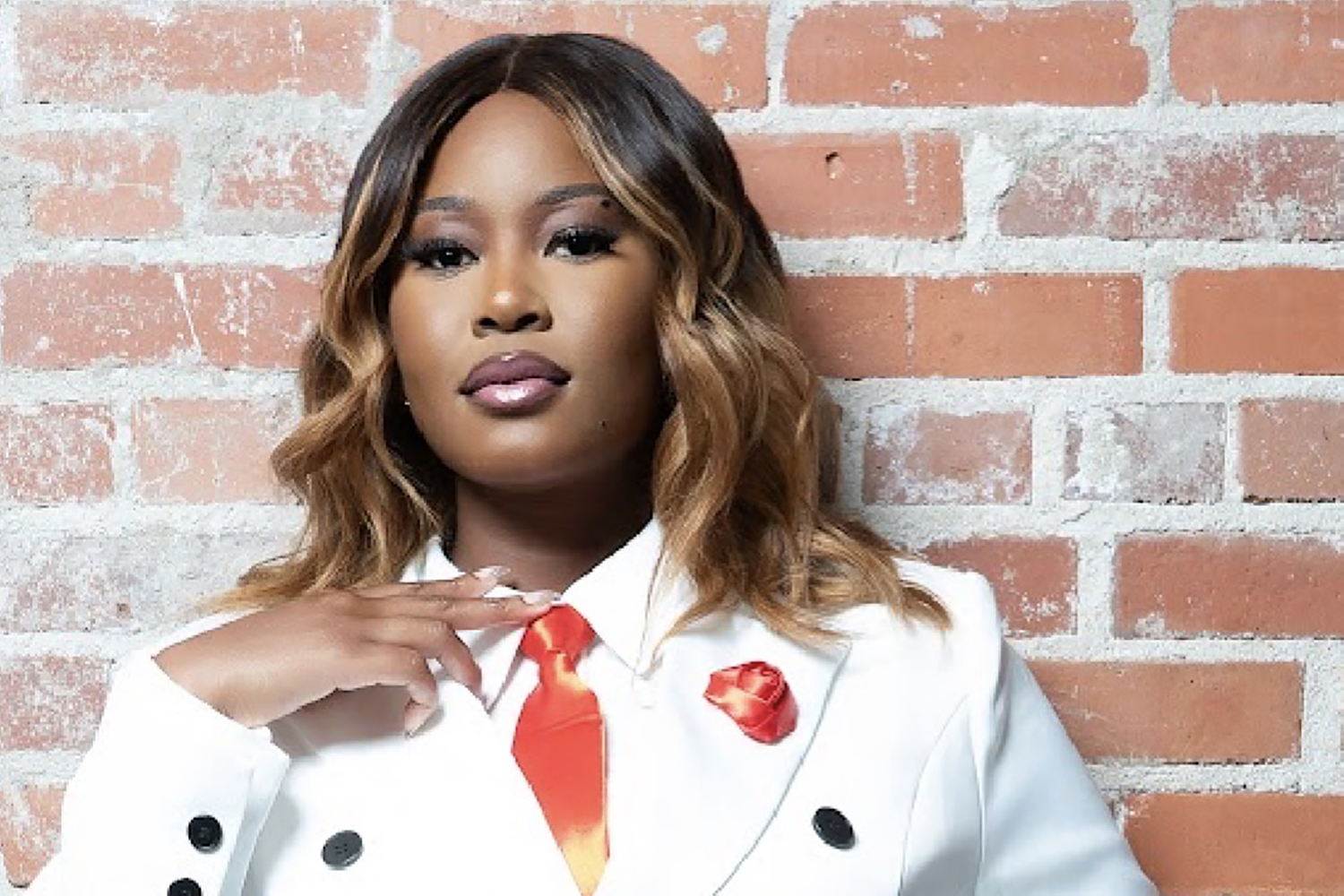
Success doesn’t end with a championship—it begins with purpose. Keonna Farmer is preparing the next generation to lead both on and off the field.
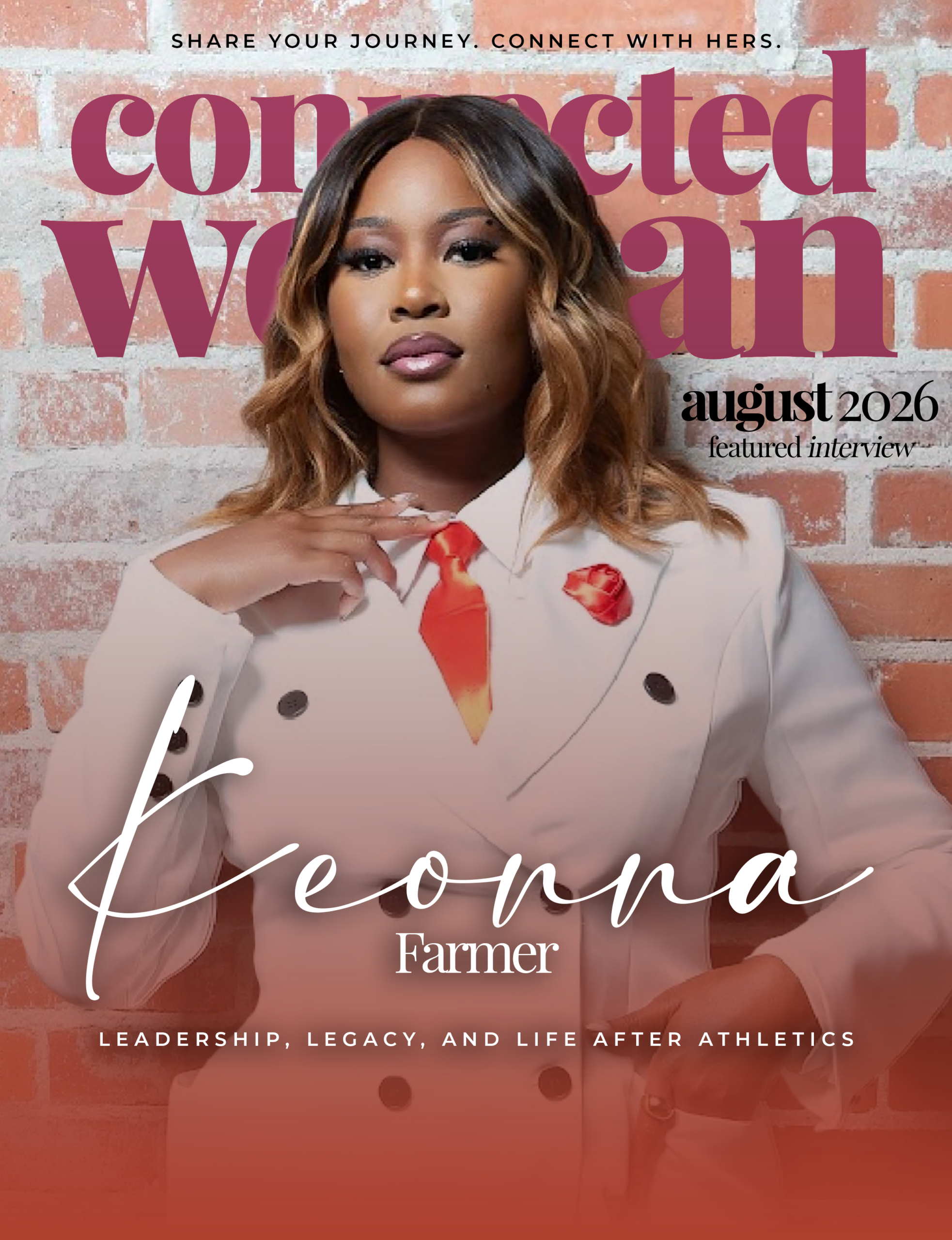
In sports, the final whistle is often seen as the end of the game—but for Keonna Farmer, it’s just the beginning. An award-winning sports executive, Athletic Director, Commissioner, philanthropist, and founder of Farmer Sports Management and Girl Life Unlimited, Keonna Farmer is redefining what success looks like for athletes long after competition ends. Through leadership development, mentorship, personal branding, and community impact, she is helping athletes and young women build meaningful careers, lead with purpose, and create legacies that extend far beyond the scoreboard. In this inspiring interview, Farmer shares her vision for the future of sports, the importance of preparing for life beyond athletics, and why empowering the next generation of women leaders has become her life’s work. Let’s meet her…
Your journey has taken you from athlete to Athletic Director, Commissioner, sports executive, entrepreneur, and philanthropist. Looking back, what were the defining moments that shifted your mindset from simply competing in sports to becoming someone committed to transforming the entire athletic landscape?
One of the biggest shifts happened when I realized that sports had given me much more than the ability to compete. It had given me access, confidence, relationships, education, leadership skills, travel experiences, and the ability to see possibilities beyond what I had known growing up.
As an athlete, I understood the game from the player’s perspective. Later, when I became an athletic director at 29, I began to understand how much happens behind the scenes. I saw the gaps in resources, systems, athlete development, facilities, funding, leadership, and opportunities, especially for girls.
I stepped into a role that did not come with a detailed manual, and I had to build many things from the ground up. That experience showed me that I was not only capable of participating in sports; I was capable of leading programs, solving problems, expanding opportunities, and advocating for athletes.
Becoming a commissioner, entrepreneur, consultant, and philanthropy consultant expanded that understanding even further. I recognized that my purpose was not limited to one team, one school, or one title. I wanted to help improve the entire athlete experience and create structures that prepare athletes for opportunities both during and after sports.
Through Farmer Sports Management, you have emphasized that an athlete’s influence extends far beyond wins and championships. What are some of the biggest misconceptions athletes have about building a lasting legacy, and how do you help them recognize opportunities they may not see for themselves?
One of the biggest misconceptions is that an athlete’s value is determined only by performance, popularity, or whether they become a professional player.
Many athletes believe they need millions of followers, national recognition, or a major contract before they can build a brand, start a business, serve their community, or create meaningful partnerships. That is not true.
Athletes already have valuable stories, relationships, experiences, skills, and community connections. The problem is that many have never been taught how to identify, package, and communicate those assets.
Through Farmer Sports Management, I help athletes understand who they are beyond the uniform. We explore their values, interests, life experiences, causes they care about, career goals, personal brand, and the communities they want to serve.
I also help them recognize opportunities in NIL, philanthropy, nonprofit development, partnerships, speaking, entrepreneurship, media, community engagement, and career planning.
The goal is not to make every athlete become the same type of public figure. The goal is to help each athlete build something authentic, sustainable, and aligned with who they truly are.
You frequently speak about preparing athletes for life after the final whistle. Why do you believe so many athletes wait until the end of their careers to think about what is next, and what conversations should coaches, universities, and organizations be having much earlier?
Many athletes wait because their entire environment is built around immediate performance. Their schedules revolve around practices, games, strength training, academics, travel, rehabilitation, and staying eligible.
They are constantly preparing for the next competition, but they are not always encouraged to prepare for the next chapter of their lives.
There is also a fear that thinking beyond sports means they are not fully committed to their sport. In reality, developing additional skills and interests can make athletes more confident, balanced, and prepared.
These conversations should begin early. Coaches, universities, and organizations should be asking athletes:
Who are you outside of your sport? What interests do you have?
What problems do you want to solve? What skills are you developing?
What relationships are you building? How are you managing your money?
What do you want your life to look like when you are no longer competing?
Athlete development should include career exploration, financial literacy, communication, entrepreneurship, mental wellness, personal branding, community involvement, networking, and transition planning.
The final whistle should not be the first time an athlete is asked what comes next.
NIL opportunities, social media, and personal branding have dramatically changed the business of sports. How can young women athletes build authentic personal brands that create opportunities while remaining true to who they are beyond their athletic identity?
Young women athletes should begin by understanding that their brand is not simply their social media page, their highlights, or the sport they play.
Their brand is the reputation, values, personality, experiences, interests, and impact connected to their name.
Athletes should ask themselves what they want to be known for, what they care about, what makes them different, and what they want people to experience when they interact with them.
Authenticity matters because audiences and brands can usually tell when someone is copying a trend or presenting an image that does not reflect who they really are.
A strong personal brand can include sports, but it should also include education, fashion, faith, family, community, business, leadership, creativity, or any other area that genuinely represents the athlete.
Young women should also protect themselves by learning about contracts, usage rights, compensation, taxes, exclusivity, and the long-term impact of the agreements they sign.
Visibility can create opportunities, but strategy, education, and self-awareness help athletes keep those opportunities aligned with their goals.
Leadership has become a central theme throughout your career. In your opinion, what qualities separate someone who simply holds a leadership title from someone who genuinely changes lives and creates opportunities for others?
A title may give someone authority, but it does not automatically make that person a leader.
Real leadership requires responsibility, consistency, courage, communication, accountability, and service.
A genuine leader does not simply tell people what to do. They create clarity, establish systems, solve problems, protect the people they lead, and make decisions that improve the organization.
They are willing to have difficult conversations, admit mistakes, listen to feedback, and continue learning.
They also understand that leadership is not about being the most visible person in the room. Sometimes leadership looks like creating opportunities behind the scenes, advocating for someone who is not present, finding resources, building a program, or helping someone else succeed.
The leaders who change lives are the ones who leave people more prepared, confident, connected, and capable than they were before.
Throughout your career you have intentionally opened doors for women and emerging leaders in spaces where representation has historically been limited. What barriers still exist for women pursuing executive leadership roles in sports, and what practical steps can the industry take to accelerate meaningful change?
Women still face limited access to decision-making positions, unequal compensation, smaller professional networks, fewer sponsorship opportunities, and greater pressure to prove their competence.
Women are often expected to be highly qualified before receiving an opportunity, while others may be allowed to learn and grow after being hired.
There is also a lack of investment in the leadership pipeline. It is not enough to celebrate women after they have already reached the top. The industry must create pathways for women to gain experience in operations, compliance, finance, fundraising, governance, media, strategy, and executive leadership.
Organizations can accelerate change by being intentional about hiring, mentoring, promoting, sponsoring, and compensating women.
Women also need access to real authority, not just visibility or symbolic titles. They should be included in budget decisions, hiring decisions, strategic planning, governance, and revenue-generating areas of sports.
Meaningful change happens when women are not only invited into the room but are trusted to lead, build, decide, and shape what happens next.
Girl Life Unlimited is rooted in helping girls own the rights to their dreams. What does it truly mean to “own the rights to your dreams,” and why is that message especially important for young women growing up today?
Owning the rights to your dreams means recognizing that your life, goals, voice, and future belong to you.
It means refusing to allow your environment, current resources, past experiences, or other people’s expectations to decide what you are capable of becoming.
Girls are often taught to be realistic before they are ever encouraged to be bold. They may receive messages about what is too difficult, too expensive, too ambitious, or not designed for someone like them.
I want girls to know that they have permission to imagine more for themselves.
However, owning the rights to your dream is not only about dreaming. It also requires preparation, discipline, education, action, support, and access to resources.
That is why Girl Life Unlimited is important. Girls should not only be told that they can achieve something. They should also be given tools, experiences, exposure, relationships, and opportunities that help make those dreams possible.
You have been honored with both a Key to the City and official days recognizing your impact on your community. Those are remarkable acknowledgments of service. How have those honors reinforced your sense of responsibility, and what legacy do you ultimately hope communities remember you for?
Receiving the Key to the City and having official days recognized in my honor were deeply meaningful because they came from the community that helped shape me.
Those honors were not only celebrations. They were reminders of responsibility.
They reminded me that people are paying attention to the work I am doing and that young girls are watching what is possible through my journey.
I want communities to remember that I used what I learned to create access, build programs, advocate for girls, support athletes, and open doors for others.
I want people to remember that I did not wait until everything was perfect before I started serving.
I used sports, education, business, leadership, philanthropy, and my personal experiences to help people see more for themselves.
Most importantly, I want girls to know that someone from their own community believed that their dreams deserved resources, visibility, protection, and support.
Having worked with student-athletes, professionals, and emerging leaders, what common mindset challenges do you see preventing talented individuals from reaching their full potential, and how do you help them overcome those limitations?
One of the most common challenges is waiting for permission.
Many talented people know what they want to build, but they are waiting for someone to validate the idea, offer them a title, provide all the resources, or confirm that they are ready.
Another challenge is comparing their beginning to someone else’s established success. Social media can make people believe that everyone else is moving faster, earning more, or receiving better opportunities.
Fear of failure, perfectionism, inconsistency, lack of confidence, and an unwillingness to ask for help can also prevent talented individuals from progressing.
I help people overcome those limitations by turning broad goals into clear steps. We identify what they have, what they need, what they can control, and what action can be taken immediately.
I also remind them that confidence often comes after movement, not before it.
You do not have to know everything to begin, but you do have to be willing to learn, adjust, remain disciplined, and keep moving.
Sports often teach discipline, resilience, teamwork, and perseverance, but not always financial literacy, entrepreneurship, or long-term career planning. If you could redesign athlete development programs nationwide, what essential life skills would become mandatory alongside athletic training?
Every athlete development program should include financial literacy, career planning, communication, personal branding, entrepreneurship, mental wellness, leadership, and transition preparation.
Athletes should understand budgeting, saving, credit, taxes, contracts, insurance, investing, and how to evaluate financial opportunities.
They should also learn how to communicate professionally, conduct interviews, write emails, build relationships, negotiate, speak publicly, and present themselves in different environments.
Career exploration should begin before an athlete’s eligibility ends. Athletes should receive exposure to careers in coaching, administration, compliance, media, law, medicine, marketing, technology, event production, community relations, entrepreneurship, and other areas of sports.
They should also learn how to build something of their own, whether that is a business, nonprofit, program, personal brand, or community initiative.
Athletic development prepares the player. Life-skills development prepares the whole person.
You have impacted more than 1,000 athletes, students, girls, women, and future leaders throughout your career. Is there a particular success story or transformation that continues to remind you why this work matters, even during the challenging seasons?
One of the experiences that continues to remind me why this work matters was helping lead an athletic department where several programs needed structure, development, and renewed belief.
I watched young athletes go from participating in programs with limited success to experiencing improvement, confidence, visibility, and opportunities they had not previously experienced.
Our girls basketball program improved from a winless season to becoming competitive, and other programs were developed or expanded to create more opportunities for students.
I also returned to help coach girls from my former high school community to a Final Four appearance—something the program had not accomplished since I played there.
Those moments mattered because I understood what it meant to the athletes, families, school, and community.
The most meaningful transformations are not always the ones that receive the most publicity. Sometimes it is the athlete who begins speaking with confidence, the girl who discovers a career she never knew existed, or the student who realizes she is capable of more than her current circumstances.
Those moments keep me committed during difficult seasons.
Philanthropy is woven into nearly everything you do. How do you define servant leadership, and why do you believe true success should always include creating opportunities for others instead of simply celebrating personal accomplishments?
Servant leadership means using your knowledge, position, resources, and relationships to help other people move forward.
It does not mean ignoring your own goals or refusing to receive recognition. It means understanding that success becomes more meaningful when it creates access for others.
I believe we all have a responsibility to return something to the communities, schools, teams, and people who helped shape us.
That contribution may look like mentoring, funding a program, creating a partnership, sharing information, employing someone, making an introduction, volunteering, or using your platform to bring attention to an important need.
Personal accomplishments are valuable, but they become even more powerful when they create opportunities beyond the individual.
I want athletes to understand that they do not have to wait until they are famous or wealthy to begin serving. They can start with what they have right now.
Many elite athletes struggle with identity once competition ends because so much of their self-worth has been tied to performance. What advice would you offer someone navigating that emotional transition and learning to rediscover who they are beyond the scoreboard?
First, I would tell them that the transition is real and that they should not feel ashamed for grieving the end of a major part of their identity.
Athletes spend years being introduced by their sport, position, statistics, team, or accomplishments. When that ends, it can feel like they have lost not only a routine but also a community, purpose, and version of themselves.
I would encourage them to give themselves permission to explore without immediately having every answer.
They should reflect on the qualities sports developed in them. Their discipline, resilience, communication, leadership, work ethic, and ability to perform under pressure still belong to them.
The uniform may be gone, but the skills remain.
I would also encourage them to seek support, build new routines, reconnect with neglected interests, and speak with people who understand athletic transition.
They are not starting over. They are learning how to apply everything sports taught them in a new environment.
As more women continue breaking barriers throughout professional and collegiate sports, what excites you most about the next generation of female athletes, executives, coaches, and sports entrepreneurs, and where do you believe the greatest opportunities for growth still exist?
What excites me most is that women are no longer asking only for opportunities to participate. They are building companies, leading leagues, negotiating contracts, producing events, owning media platforms, creating technology, coaching at higher levels, and shaping the business of sports.
The next generation is also more aware of personal branding, ownership, mental wellness, social impact, and the power of using their voices.
The greatest opportunities for growth exist in executive leadership, ownership, investment, media rights, women’s sports technology, athlete services, NIL, sports philanthropy, data, content creation, and community development.
There is also significant opportunity in building stronger systems for girls before they reach college or professional sports.
We need more women making decisions about budgets, facilities, hiring, partnerships, athlete care, and long-term strategy.
Women should not only be part of the growth of sports. They should be positioned to own, lead, and benefit from that growth.
If a young girl reading this interview dreams of becoming not only an athlete but also a commissioner, sports executive, entrepreneur, or philanthropic leader like you, what wisdom would you want her to carry with her every step of the journey, especially when the road becomes difficult or others underestimate her potential?
I would tell her not to allow other people’s limited understanding of her potential to become the limit she places on herself.
She should remain willing to learn, ask questions, build relationships, develop transferable skills, and take opportunities that stretch her.
She should understand that every experience may not look connected while she is living it, but the skills she gains can prepare her for opportunities she cannot yet see.
There will be moments when she is underestimated, overlooked, unsupported, or asked to prove herself repeatedly. She should document her work, know her value, protect her ideas, and continue improving.
She should also remember that success does not require her to become someone else. Her voice, experiences, perspective, and background are valuable.
Most importantly, she should never believe that her dream is too large because of where she started.
She owns the rights to her dream, but she must also be willing to prepare for it, work for it, protect it, and keep moving toward it when the journey becomes difficult.
The road may not always be easy, but difficult does not mean impossible.
Discover more from Connected Woman Magazine
Subscribe to get the latest posts sent to your email.