
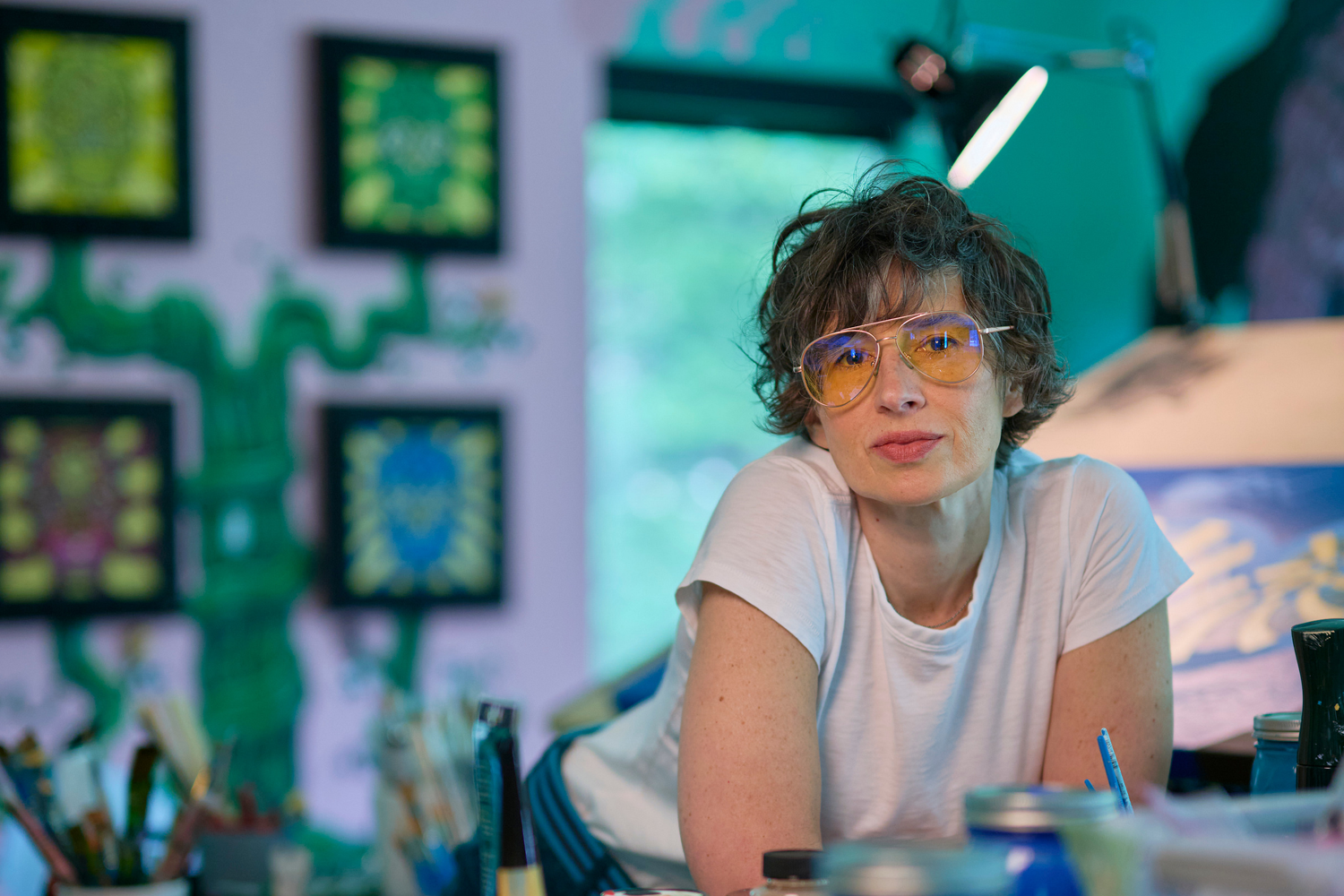
Grief isn’t something to prettify, rush or silence. JFo’s Grief Monster shows us what can happen when we finally allow it to speak.
When JFo lost her mother, Theresa, she turned to the language that had always come most naturally to her: art. What began as a deeply personal way to process the unimaginable slowly evolved into Grief Monster, a raw and visually compelling illustrated diary releasing in November 2026. Across 23 illustrated journal entries, JFo personifies the complicated, untidy emotions of loss, inviting readers to witness grief rather than rush to overcome it. Now an author, illustrator, co-owner of J & J Publishing House, and certified Grief Educator, JFo is transforming one of the most painful chapters of her life into a powerful reminder for anyone navigating loss: your grief deserves to be seen, heard, and witnessed. Meet JFo: Giving Grief a Face, a Voice—and a Witness.
Your upcoming book, Grief Monster, has been described as “a raw and visually stunning diary of grief” that refuses to tidy or soften the experience of loss. What was the defining moment or personal catalyst that made you realize this story needed to exist, and why was now the right me to share it with the world?
Before I lost my mother, I had no clue what to do with someone grieving. Out of ignorance, I thought the best thing was to ignore it so they didn’t have to think or talk about their loss. I didn’t know that when you’re in deep grief, you’re already thinking about them non-stop anyway, and talking about them can be an enormous relief. Getting the chance to say my mother’s name or share a story about her was the closest I ever came to feeling good when I was in early grief. Now is the perfect time for this book because people need this now more than ever—the sacred space and the permission to be in grief, and to be held in their experience. I know people who have destroyed their lives by not making space for their grieving process. So if this book can hold a little part of that healing space anywhere on this planet, that would be an incredible honor.
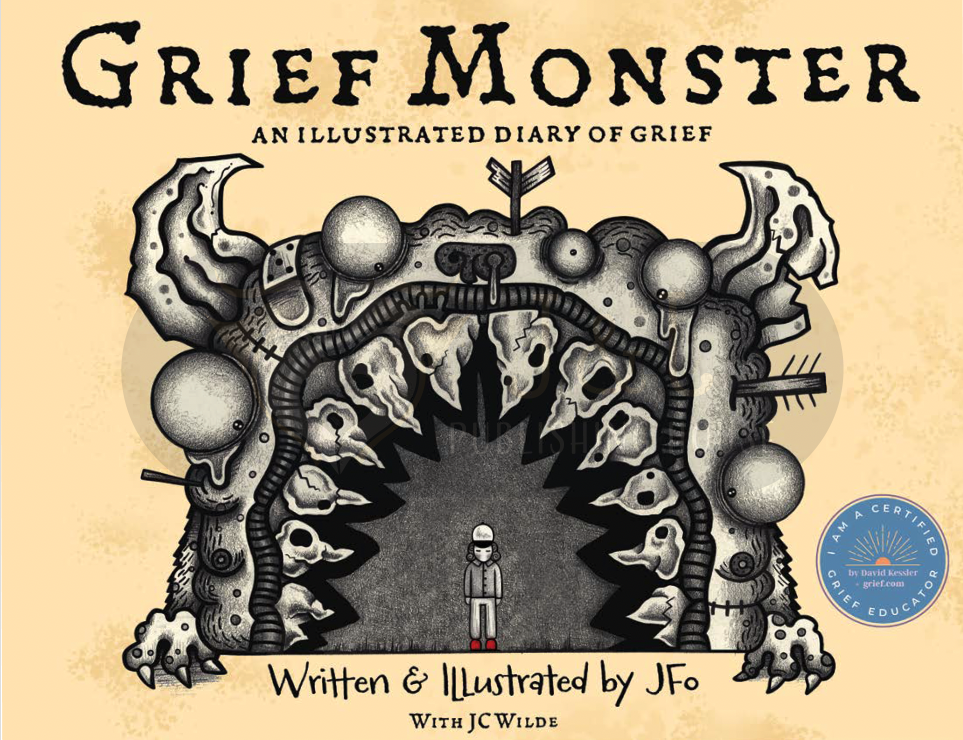 Unlike many books about grief that focus on moving through stages or finding closure, Grief Monster seems to embrace grief as an ongoing landscape to be explored rather than conquered. What do you hope readers will discover about themselves by allowing this book to accompany them instead of trying to “fix” them?
I personally don’t align with the idea of “closure” when it comes to my grief with my mother. My grief feels like a living, breathing part of my life. It has changed and will continue to change as I learn to live alongside and with it. That will never end for me. I’m actually relieved I never thought about grief in terms of “finding closure,” because I would have been severely disappointed many times by now and would have felt both pressure and shame over seeking and not finding it. I hope the world can learn that grief isn’t about closure at all. There is no fixing or getting over grief—it is about adapting to living with it.
Who do you believe is the ideal reader for Grief Monster? Is this book written primarily for those navigating recent loss, longtime grievers, caregivers, therapists, or even people who simply want to better understand someone they love—and what do you hope each of those readers walks away with after turning the final page?
This book was created as a diary, so who would benefit? All of the above, anyone in grief or loving someone who is. I was deep in the throes of early grief when I created these entries—which is the first two years after loss—so it’s possible people in similar places will relate the most. But I’ve learned about the patience of grief, and also how it follows no timeline or predicable schedule. So it’s very likely that even someone who lost a loved ones years or decades ago will be touched by these pages—maybe seeing the reflection of an unwitnessed piece of their broken heart in the illustrations. My hope is that anyone who’s experienced the pain and isolation of loss will feel seen and held and supported by my illustrations.
You have shared that Grief Monster began as something you never intended to publish—it was simply your way of surviving the unimaginable loss of your mother, Theresa. Looking back over those two years of creating illustrated journal entries, at what point did you realize this deeply personal diary might become a lifeline for other people navigating grief?
I don’t remember how far along I was into grief or the diary, but my wife, JC, saw something in my drawings—something “deeply human,” she says, something that brought grief “out of the intellect and into the body” and made it “tangible and accessible”—a “gateway into the experience of grief itself.” So it was her idea to publish it. This immediately terrified me and gave me tons of anxiety—being seen and putting my art “out there” has always triggered my inner saboteur, but nothing is going to stop me…not even me.
One of the most touching details in Grief Monster is the recurring image of the Grief Monster holding a teacup, inspired by Joanne Cacciatore’s concept of “inviting your grief monster to tea” in Bearing the Unbearable. How did embracing your grief instead of resisting it transform your healing journey, and what do you hope readers will learn from sitting with their own grief rather than trying to outrun it?
I have been on a journey of spiritual awakening for over a decade now, so resisting my grief was not an option—it was just my “next level”…maybe the level I had been preparing for the whole time. Facing the grief over losing my mother transformed me—I knew that if I didn’t start taking care of myself in a whole new way, it would destroy me. So I started daily yoga, twice-a-day Transcendental Meditation, and spending time in nature—lots of time, and it became my new medicine. I learned the patience of my grief during that time. No matter what I was doing, it waited. It would have waited forever. Outrunning grief wasn’t an option for me, and it isn’t for anyone. I recently heard that the average time is takes for a grieving person to reach out for help is not two weeks, not five months, not a year, but five years. I have heard many stories of grieving people joining support groups 20+ years after the death of their loved ones—and those are the lucky ones brave enough to ask for help. Many more never ask and the grief takes over their lives.
With 23 illustrated journal entries spanning 111 pages plus opening material, Grief Monster invites readers into the deeply personal landscape of your own loss while remaining accessible to people of all ages who have experienced—or hope to better understand—grief. What conversations do you hope families, friends, counselors, and grieving individuals begin having after sharing this book together, and what would it mean to know someone finally felt seen because of its pages?
I hope people can begin to understand that hiding from grief only makes it scarier. And I hope this book gives people an avenue to talk about their feelings, to connect with themselves and with others. Grief is just one of many experiences and feelings people won’t or don’t talk about, and I believe as each one of us takes the courageous step to face our feelings, it will inspire others to do the same, and they’ll feel safe to do so, maybe for the first time.
Continue the Conversation
There’s more to this story. Continue exploring our special three-part series featuring JFo and JC Wilde, the creative forces behind J & J Publishing House. From the deeply personal story behind Grief Monster to conversations about creativity, healing, self-discovery, love, and building a purpose-driven publishing house, each interview offers another layer of their journey. Be sure to check out the other posts in the series and experience the full conversation.
Discover more from Connected Woman Magazine
Subscribe to get the latest posts sent to your email.