A powerful conversation about breaking free from survival mode and refusing to let yesterday’s trauma determine tomorrow’s possibilities.
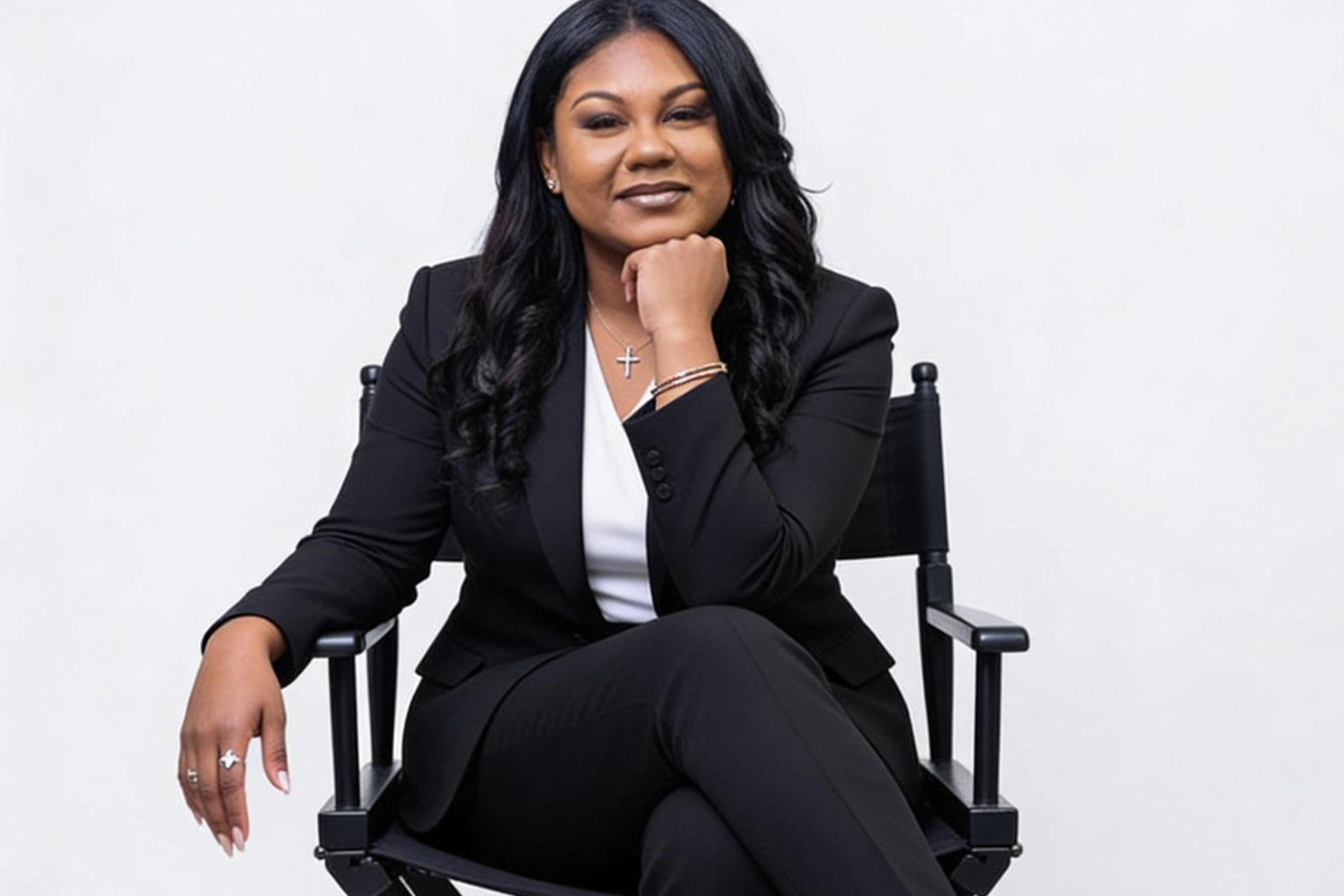
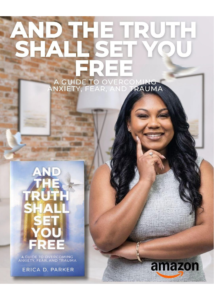
Fear, anxiety, and the lingering effects of trauma can quietly shape the way we think, make decisions, build relationships, and move through the world. In her book, And The Truth Shall Set You Free: A Guide to Overcoming Anxiety, Fear and Trauma, author Erica Parker invites readers to confront what has been holding them captive and begin the work of moving toward greater freedom, healing, and emotional peace.
In this conversation, we sit down with Erica to explore the inspiration behind the book, the power of acknowledging difficult truths, and what it means to stop allowing painful experiences from the past to dictate the future.
Your book is titled And The Truth Shall Set You Free: A Guide to Overcoming Anxiety, Fear and Trauma. What does being “set free” mean to you personally, and what truths do you believe we sometimes have to acknowledge about ourselves, our experiences, or our past before genuine healing can begin?
Being set free, to me, means truly walking into a space where you are no longer bound by something that once felt so heavy. It means that what once had power over you no longer gets to take up equity, space, or authority in your life.
I believe healing begins with honesty. We have to be willing to acknowledge where we were, what happened, how we responded, and sometimes even how certain experiences shaped the way we see ourselves and the world around us. That truth can be uncomfortable, but it can also be incredibly freeing.
We also have to recognize that while we may not have had control over what happened to us, we do have a say in what happens next. We are empowered to make the necessary changes in our lives to choose something different.
For me, part of being set free is making the decision to stop giving the past permission to continue occupying a place in my present. Whatever “it” may be: anxiety, fear, trauma, shame, disappointment, or even a version of ourselves we have outgrown. We have to decide that it no longer gets to define us.
Freedom doesn’t mean that we forget what happened. It means what happened no longer gets to dictate who we become.
 Anxiety and fear can become so deeply woven into a person’s everyday life that they may begin to see constant worry, avoidance, overthinking, or simply surviving as normal. What inspired you to address anxiety, fear, and trauma together in this book, and how can readers begin recognizing when these experiences are controlling more of their lives than they realize?
Honestly, my own experiences inspired me to write this book. I battled anxiety, fear, and depression for much of my life, to the point where I was clinically diagnosed. I know what it feels like to live in a constant state of worry and to become so accustomed to it that you almost forget that life can feel different.
When I gave my life to Christ, God began healing me from depression and breaking the power that anxiety and fear had over my life. But my journey didn’t stop there. I had studied psychology and counseling, and as I continued learning about neuroscience, I began to see something that really opened my eyes: there were practical ways to understand and apply many of the biblical principles I had already experienced spiritually.
That combination changed everything for me. I began to understand the connection between what I believed, what I thought, what I experienced emotionally, and even how my brain and body responded to those experiences. And I realized that while fear and anxiety may continue to try to show up, we don’t have to remain powerless when they do.
I wanted to help other people discover that same freedom.
One of the first ways readers can recognize that anxiety or fear is controlling more of their lives than they realize is by looking at the decisions they’re making. Are you making decisions from a place of faith and clarity, or are you consistently making decisions based on what you’re afraid might happen? Are you avoiding opportunities, relationships, conversations, or changes because of fear? Are you constantly overthinking instead of moving forward?
I also believe we have to become aware of the ways the enemy uses fear to keep us from walking fully in what God has for us. Scripture tells us that the enemy comes to steal, kill, and destroy, and sometimes what is being stolen isn’t something tangible; it’s our peace, our confidence, our hope, our relationships, our purpose, or our willingness to move forward.
For me, recognizing that was a major part of my freedom. I learned that I didn’t have to simply identify what I was feeling; I needed to understand where it was coming from, challenge what was keeping me bound, and take practical steps toward freedom.
That’s ultimately what I want readers to understand: you don’t have to normalize surviving when you were created to live free.
One of the most difficult parts of healing from trauma can be confronting what happened without allowing it to become the defining story of who we are. How do you encourage readers to honor the reality and impact of their experiences while also learning to separate their identity and future from what they have endured?
I think one of the most important things we can do when healing from trauma is learn to tell the truth about what happened without allowing that truth to become the definition of who we are.
I don’t believe healing requires us to minimize what we’ve experienced or pretend that it didn’t affect us. Some things hurt deeply. Some experiences change us. We have to honor that reality. We have to be honest enough to say, “This happened to me, and it affected me.” There is power in being able to acknowledge that without shame.
But there is a difference between acknowledging what happened and allowing it to become our identity.
Your trauma may be part of your story, but it does not have to be the conclusion of your story. What you endured may explain certain things about you, but it doesn’t have to determine where you go from here.
For me, this is where faith became so important. I had to learn that God could take the very places where I had experienced pain, fear, and brokenness and still use my life for something meaningful. My past didn’t disqualify me from my future. In many ways, it became part of the reason I could help someone else.
I encourage readers to give themselves permission to grieve what happened, to acknowledge the impact it had, and to seek the support they need to heal, but then to begin asking a different question: “Who am I becoming beyond what happened to me?”
Because there is a future beyond the trauma. There is an identity beyond the pain. And there is a version of you that can exist without constantly being defined by what you survived.
You don’t have to erase your story to be free from it. You simply have to stop letting the worst thing that happened to you become the most important thing you believe about yourself.
There is often a significant difference between knowing that we need to heal and actually doing the uncomfortable work required to change our thoughts, behaviors, boundaries, and responses. What practical tools, perspectives, or strategies from And The Truth Shall Set You Free do you hope readers will carry into their everyday lives when anxiety or fear begins to resurface?
I think one of the biggest misconceptions about healing is that once you’ve healed, you will never struggle with those thoughts or emotions again. That’s not necessarily true. There may still be moments when fear, anxiety, or old patterns try to resurface. The difference is that you don’t have to respond to them the same way you used to.
One of the biggest things I want readers to take away from And The Truth Shall Set You Free is the importance of becoming aware of what is happening internally. Before you can change a thought, behavior, or response, you have to recognize it. I encourage readers to pay attention to the thoughts they’re having, the emotions those thoughts produce, and the behaviors that follow.
I also want them to learn to challenge the thoughts that are rooted in fear rather than automatically accepting them as truth. Just because you think something doesn’t mean it’s true. Sometimes we have to pause, examine the thought, and ask ourselves, “Is this truth, or is this fear talking?”
Another practical strategy is learning to create boundaries. Healing isn’t just about changing what’s happening inside of us; sometimes it requires changing what we continue to allow around us. That can mean changing relationships, environments, habits, or even the way we speak to ourselves.
And, of course, prayer and Scripture are foundational to my own approach. My faith taught me that I don’t have to fight every battle in my own strength. I can bring my thoughts and fears to God, replace lies with truth, and then take practical action based on what I know to be true.
Ultimately, I want readers to understand that healing is not passive. There are moments when we have to make a different decision, have a difficult conversation, establish a boundary, challenge a thought, forgive, seek help, or simply choose not to return to an old pattern.
When anxiety resurfaces, the goal isn’t to panic because you’re struggling again. The goal is to recognize it, return to truth, and remember that you have the tools and the authority to respond differently.
For the woman who picks up your book because she is exhausted from living in survival mode—but is afraid of what she may uncover if she begins confronting her pain—what would you want her to understand about the relationship between truth, healing, courage, and the possibility of creating a different life for herself?
I would tell her first: you don’t have to be afraid of the truth. The truth may hurt, but it has the power to heal you in ways that pretending never can.
I understand the fear of confronting pain because I’ve lived it. Sometimes we become so accustomed to surviving that we don’t know who we will be without the walls, coping mechanisms, and patterns we’ve built to protect ourselves. We may even wonder, “If I start dealing with this, what am I going to find?”
But I want her to understand that courage isn’t the absence of fear. Courage is deciding that your freedom is worth confronting what has kept you bound.
The truth allows us to see what we’ve been carrying, why we’ve been responding the way we have, and what needs to change. It gives us the opportunity to stop repeating cycles that were never meant to follow us into our future.
And healing doesn’t mean that you have to figure everything out overnight. It means being willing to take the next honest step. Sometimes that step is acknowledging the pain. Sometimes it’s setting a boundary. Sometimes it’s forgiving. Sometimes it’s asking for help. Sometimes it’s simply admitting, “I don’t want to live like this anymore.”
I also want her to know that God is not intimidated by the parts of her story that she is afraid to confront. He already knows them. There is nothing she can uncover about herself that is a surprise to Him.
Your pain may be part of your story, but it does not have to be the end of your story. There is still a life on the other side of survival. There is still joy, peace, purpose, and possibility.
So if she is reading this book exhausted, afraid, and wondering if she can really become someone different, I want her to know this: you don’t have to remain who your pain taught you to be. You can become who God created you to be. And sometimes freedom begins with simply having the courage to tell yourself the truth.
Discover more from Connected Woman Magazine
Subscribe to get the latest posts sent to your email.