
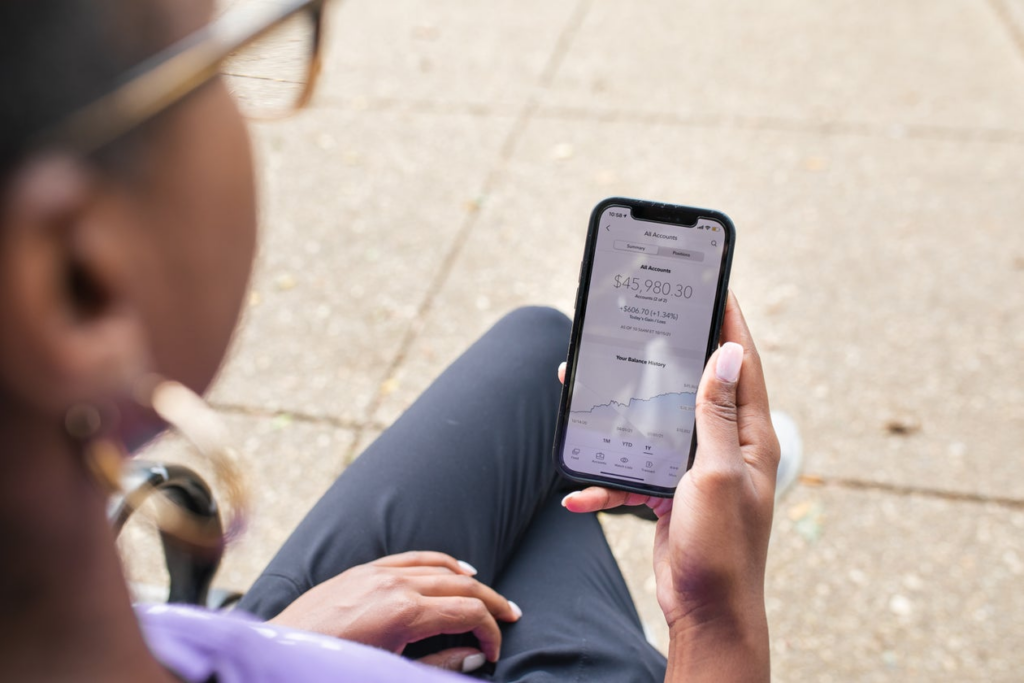
 Few experiences are more stressful than watching your financial stability disappear.
One day, you may feel secure. The bills are being paid, savings are growing, and life feels relatively predictable. Then suddenly, everything changes. A job loss, divorce, illness, death of a spouse, business failure, caregiving responsibility, natural disaster, or unexpected emergency can completely alter your financial landscape.
Many women find themselves staring at bank accounts, credit card balances, overdue notices, or depleted savings and wondering:
“How am I supposed to recover from this?”
The truth is that financial crises happen to people from all walks of life. They happen to women with degrees, women with successful careers, women who planned carefully, and women who never saw the setback coming.
If you’re starting over financially after a crisis, know this: your current circumstances do not define your future. Financial recovery is possible, even when the road ahead feels uncertain.
While rebuilding takes time, there are three critical steps that can help you regain stability, confidence, and hope.
Understanding the Emotional Side of Financial Recovery
Before discussing budgets, savings plans, or debt repayment, it’s important to recognize that financial crises often trigger emotional wounds.
Many women experience:
- Shame
- Embarrassment
- Fear
- Anger
- Anxiety
- Guilt
- Depression
- Loss of confidence
You may blame yourself for decisions you made or decisions you didn’t make.
You may replay conversations, opportunities, or mistakes repeatedly in your mind.
You may compare yourself to friends, family members, or social media influencers who appear financially secure.
But healing financially begins by understanding that setbacks are part of life.
A financial crisis does not make you irresponsible.
It does not make you a failure.
It does not erase everything you’ve accomplished.
What matters most now is focusing your energy on the next step rather than dwelling on the past.
Tip #1: Get Honest About Your Current Financial Reality
Many people delay recovery because they avoid looking at the full picture.
It’s understandable.
Opening bills, checking balances, reviewing debt, or analyzing expenses can feel overwhelming.
But avoiding the numbers won’t improve them.
Financial recovery begins with clarity.
Sit down and gather:
- Bank account balances
- Credit card balances
- Loans
- Monthly expenses
- Income sources
- Retirement accounts
- Insurance information
- Outstanding obligations
Write everything down.
Not just the comfortable numbers.
All of them.
This exercise can feel intimidating, but it provides something incredibly valuable: a starting point.
You cannot create a realistic plan without knowing where you currently stand.
Once everything is visible, ask yourself:
- What expenses are essential?
- What expenses can be reduced?
- What debts require immediate attention?
- What income is currently available?
- What additional income opportunities exist?
Many women discover that the situation, while difficult, is not as hopeless as they feared.
Clarity often reduces anxiety because uncertainty is frequently more stressful than reality itself.
Creating a Crisis Budget
A temporary crisis budget may be necessary during recovery.
This isn’t about punishment.
It’s about protection.
Focus first on:
- Housing
- Utilities
- Food
- Transportation
- Insurance
- Healthcare
Luxury spending can return later.
Right now, the goal is stability.
Remember that a crisis budget should be temporary.
Financial rebuilding is not about deprivation forever.
It’s about creating enough breathing room to recover.
Tip #2: Focus on Income Before Perfection
Many financial experts focus heavily on cutting expenses.
While reducing unnecessary spending matters, increasing income often creates the greatest opportunity for recovery.
Ask yourself:
- Can I work overtime?
- Can I freelance?
- Can I consult?
- Can I sell unused items?
- Can I start a side business?
- Can I monetize a skill?
Women possess countless marketable talents.
You may have skills in:
- Writing
- Graphic design
- Virtual assistance
- Teaching
- Tutoring
- Bookkeeping
- Event planning
- Photography
- Social media management
- Coaching
Even temporary income opportunities can provide critical relief during a difficult season.
The goal isn’t necessarily to find your forever solution immediately.
The goal is to create momentum.
Momentum builds confidence.
Confidence builds action.
Action creates results.
Don’t Let Pride Prevent Progress
One of the hardest lessons many women learn during financial hardship is that accepting help is not weakness.
Sometimes recovery requires:
- Applying for assistance
- Seeking community resources
- Receiving support from family
- Asking for professional guidance
There is no shame in utilizing resources during a difficult season.
Many successful people have relied on help at some point in their lives.
Financial recovery is not a solo competition.
It’s a journey.
Use the support available to you.
Tip #3: Build a New Financial Vision
After a crisis, many women focus exclusively on survival.
While survival is important, eventually you must begin thinking beyond the immediate emergency.
Recovery becomes sustainable when you create a vision for the future.
Ask yourself:
- What does financial security look like to me?
- What kind of lifestyle do I want?
- How much income do I need?
- What financial habits need to change?
- What goals am I working toward?
Perhaps your crisis revealed vulnerabilities that need attention.
For example:
- Lack of emergency savings
- Excessive debt
- Overdependence on one income source
- Insufficient insurance coverage
Rather than viewing these discoveries as failures, view them as lessons.
Your future financial plan can be stronger because of what you’ve learned.
Rebuilding Your Emergency Fund
One of the most important goals after a crisis is rebuilding savings.
Start small.
Even setting aside:
- $10 per week
- $25 per paycheck
- $50 per month
creates a habit of saving.
The amount matters less than the consistency.
Over time, small contributions become meaningful protection against future emergencies.
Every dollar saved represents a step toward greater financial peace.
Give Yourself Grace
Financial recovery rarely happens overnight.
Some women recover within months.
Others require several years.
The timeline doesn’t determine your worth.
Avoid comparing your journey to someone else’s.
Social media often showcases success stories without revealing the struggles behind them.
Focus on your progress.
Celebrate small victories.
Maybe this month you paid off one bill.
Maybe you increased your savings by $100.
Maybe you landed a side client.
Maybe you simply stopped avoiding your finances.
Progress is progress.
Every step counts.
The Hidden Opportunity in Starting Over
While no one willingly chooses financial hardship, many women discover unexpected strengths during recovery.
They become:
- More resourceful
- More resilient
- More disciplined
- More confident
- More intentional
The crisis that once felt like the end of the story becomes the beginning of a stronger chapter.
Many women emerge from financial setbacks with healthier habits and greater clarity about what truly matters.
What feels devastating today may eventually become the experience that taught you how capable you really are.
Final Thoughts
Starting over financially after a crisis can feel overwhelming, but it is far from impossible.
Remember these three key principles:
Get honest about where you stand.
Focus on increasing income while managing expenses.
Create a new vision for your financial future.
Most importantly, remember that your financial situation is a circumstance—not your identity.
You are not your debt.
You are not your bank balance.
You are not your setback.
You are a woman with the ability to learn, adapt, recover, and rebuild.
This chapter may not be the one you planned.
But it can still become a story of resilience, growth, and hope.
Sometimes starting over isn’t a sign that you’ve failed.
Sometimes it’s proof that you’re courageous enough to begin again.
Discover more from Connected Woman Magazine
Subscribe to get the latest posts sent to your email.

Connected Woman Magazine
Connected Woman Magazine is an online blog-style magazine created to inspire, empower, and connect women through authentic storytelling, meaningful conversations, and diverse perspectives. Covering topics ranging from entrepreneurship and career growth to wellness, relationships, lifestyle, and personal development, the platform highlights real women, real experiences, and the power of community while encouraging readers to share their journeys and connect with others.