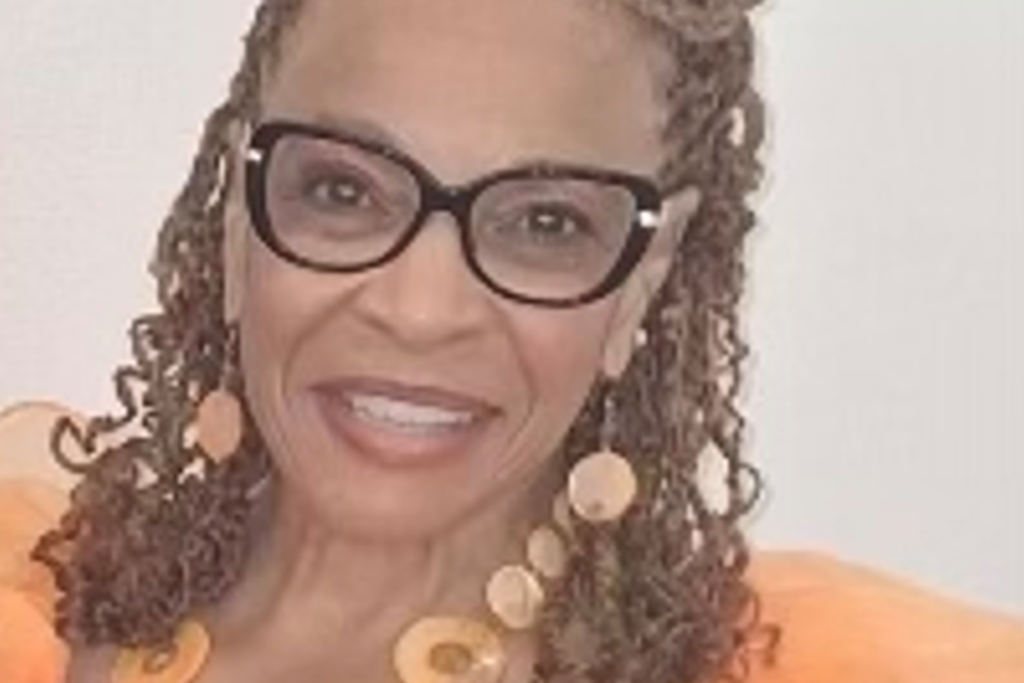
Dr. Deborah Daniel reminds women that choosing themselves can be the beginning of restoration, freedom, and a new chapter.
Your Book Synopsis
It’s My Time to Heal the Hurts is for the person who is tired of pretending, tired of carrying emotional pain, and tired of repeating patterns that no longer serve them. This book is an invitation to face the hurts, release what has been weighing you down, and make room for something new. Through reflection, honesty, and intentional healing, readers are encouraged to confront their past without allowing it to define their future. It’s about letting go, finding peace, reclaiming yourself, and finally giving yourself permission to heal. You’ve carried it long enough. Now, it’s your time to heal.
Why will readers like this book?
Readers will connect with this book because it is relatable, honest, and empowering. It speaks to the emotional hurts many people carry but rarely talk about and gives readers permission to acknowledge their pain without being defined by it. Through reflection and encouragement, readers will feel seen, challenged, and inspired to release the past, break unhealthy patterns, and move toward healing and peace.
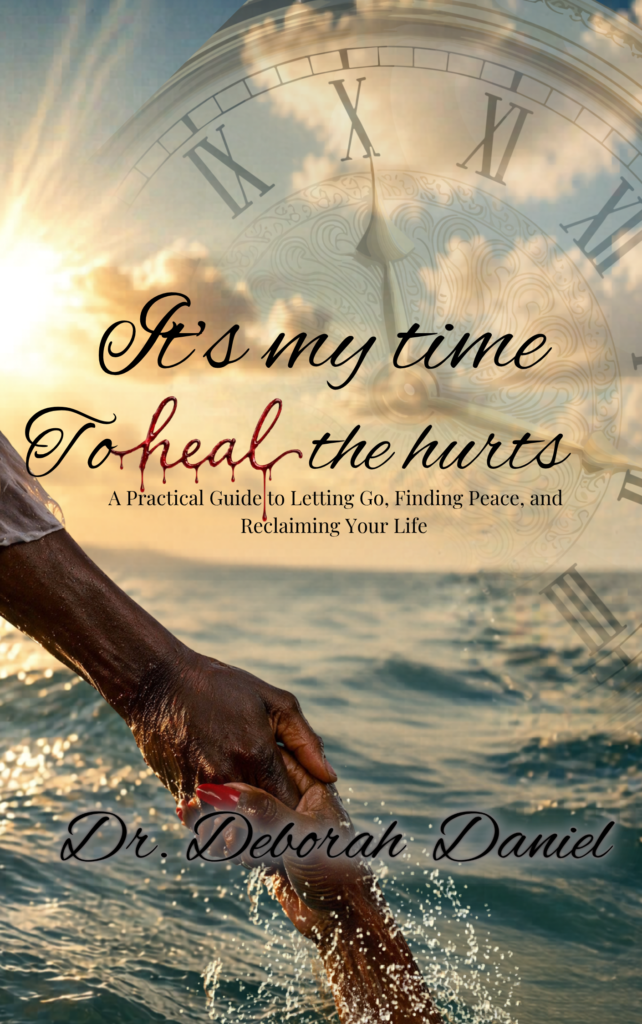 Healing is deeply personal, and sometimes the most important step is deciding that we are finally ready to begin. In her book, It’s My Time to Heal, author Dr. Deborah Daniel invites readers to confront the pain they have carried, recognize the wounds they may have learned to live around, and intentionally make room for restoration. In this conversation, Dr. Daniel opens up about the journey behind the book, what authentic healing can look like, and why women must give themselves permission to stop simply surviving and declare, “It’s my time.”
The title It’s My Time to Heal feels like both a declaration and a decision. What brought you to the point where you realized that healing could no longer be postponed, and how did your own experiences influence the message you ultimately wanted to share through this book?
The title It’s My Time to Heal the Hurts Is both a declaration and a decision for me. I reached a point in my life where I realized I could no longer continue carrying unresolved her and expect my life to move forward in a healthy way. For many years I learned how to function through pain. I could keep going, take care of responsibilities, encourage other people, pray for others, and appear strong while there were still places within me that needed healing.
Eventually, I had to become honest with myself. I have finally realized that some of the things I thought I had moved past I had actually just learned how to live with. However, I realize there is a difference between surviving something and healing from it. I knew I did not want to spend the rest of my life simply surviving experiences that God really wanted me to overcome.
At that point I understood the realization required me to confront hurts I had avoided, acknowledge the impact they had on me, and examine some of the relationships and patterns I had accepted as normal. I had to learn that healing sometimes requires letting go, establishing boundaries, forgiving, changing the way I think, and rediscovering who I am beyond what happened to me.
My own experiences greatly influenced the message of this book because I understand what it means to hurt in silence. I also understand what it means to reach a place where you finally say enough is enough and I want something different for my life.
My faith has been an important part of this journey. I learned that God could meet me in the painful places, but I also had to be willing to acknowledge those places. I could not continue asking God to heal what I was unwilling to confront. That is ultimately why I wrote this book. I want people to understand that healing does not mean that what happened to you did not matter. It means you have made a decision that what happened to you will no longer have the authority to determine who you become.
So, when I say it’s my time to heal I am acknowledging what happened. I acknowledge how it affected me. But I’m also making a decision that I will not remain there. I am choosing peace. I am choosing growth. I am choosing transformation. And most importantly I am choosing to move forward into the person God created me to be.
Therefore, my hope is that when someone reads this book, they will have the courage to make that same declaration for themselves, it’s my time to heal the hurts.
Many women become so accustomed to surviving, caring for others, and carrying responsibilities that they may not recognize the emotional wounds they have never truly addressed. What are some of the signs that a woman may be functioning through her pain rather than genuinely healing from it?
On this journey I have learned that functioning does not necessarily mean that you are healed. A woman can get up every morning, go to work, take care of her family, serve in her church, encourage other people, handle responsibilities, and still be hurting deeply inside. Sometimes we become so good at surviving that survival begins to look like strength.
There are several signs that a woman may be functioning through her pain rather than genuinely healing from it. She may constantly stay busy because slowing down would require her to deal with what she’s feeling. She may take care of everyone else while neglecting herself. She may even have difficulty saying no because she fears disappointing people, being rejected, or being viewed differently.
Another sign is being easily triggered by certain conversations, people, situations, or memories without fully understanding why. She may become defensive, withdraw emotionally, overreact, or shut down because something in the present has touched a wound from the past.
Unresolved pain may also show up in our relationships. The repeated toleration of unhealthy behavior, struggling to trust people, expecting rejection, and even remaining connected to relationships that continue to hurt us because dysfunction has become normal.
I want women and men to understand that being strong does not mean pretending that you were never hurt. Sometimes the strongest thing you can do is acknowledge the wound, give yourself permission to address it, seek help when you need it, and make the decision that you deserve to experience peace and not just appear to be okay.
Healing often requires us to confront experiences, relationships, disappointments, or even versions of ourselves that we would rather leave buried. In It’s My Time to Heal, how do you encourage readers to acknowledge what hurt them without allowing that pain to continue defining who they are or what they believe they deserve?
One of the most important things I won’t readers to understand in It’s My Time to Heal is that acknowledging what hurt you does not mean that you have to live there. We cannot heal what we are unwilling to acknowledge, but we also do not have to allow what happened to us to become our identity.
For a long time, I thought moving forward meant not talking about certain things, not revisiting certain experiences, and simply continuing with life. But I learned that there is a difference between leaving something behind and burying it. What we bury without healing can continue to influence us, our decisions, our relationships, our confidence, our boundaries, and even what we believe we deserve.
So, I encourage readers to begin with honesty. Give yourself permission to say, “That hurt me. That disappointed me. That changed me. I did not deserve what happened to me.” The Word of God tells us, “To thine self be true.” There is freedom in telling yourself the truth. Then I encouraged them to take another step and say, “What happened to me is something I experienced; it is not who I am. Healing challenged me to stop asking only, “What happened to me?” And begin asking, “Who am I becoming now?”
“Your pain may explain parts of your story, but it does not get to write the ending.”
There can be tremendous pressure to forgive, move on, reconnect, or prove that we are “over” something before we have actually processed what happened. What does authentic healing look like to you, and how can women give themselves permission to heal on their own timeline— even when others may not understand the boundaries or choices that healing requires?
To me, authentic healing is not pretending that something no longer hurts just because other people think enough time has passed. Healing is personal, and it cannot be rushed to make someone else comfortable.
There can be tremendous Pressure to forgive quickly, move on, reconnect, or prove that we are okay. But I have learned that you can forgive someone and still need boundaries. You can release anger and still decide that a relationship is no longer healthy for you. Forgiveness does not always mean reconciliation, and healing does not always mean returning to the places, people, or situation that wounded you.
Authentic healing begins with honesty and being able to acknowledge, “This happened to me. This hurts me. This affected me, and I need time and space to process it.
For the woman who picks up It’s My Time to Heal knowing that something in her life needs to change but feeling afraid, exhausted, or unsure of where to begin, what do you hope happens within her as she moves through the book—and what is the first decision you would encourage her to make for herself?
What I hope happens within her as she moves through it’s my time to heal is that she begins to see herself differently. I want her to realize that she does not have to continue living from a place of hurt, fear, exhaustion, or survival. I want her to recognize that what happened to her may be a part of her story, but it does not have to define who she is or determine where her life goes from here.
As she moves through the book, I hope she becomes more honest with herself about what hurts, which he has tolerated, where she has buried, and what she knows needs to change. I want her to begin finding her voice again and understand that healing does not mean pretending the pain never happened. Healing means acknowledging it, learning from it, releasing what no longer belongs in her life, and allowing God to lead her into a healthier and more peaceful version of herself.
I hope something begins to shift within her. I want her to move from simply surviving to believing that she deserves to live with peace, confidence, and wholeness. The first decision I would encourage her to make is simply this; choose yourself enough to begin.
Purchase/Info URL for book (pre-sale etc.)
Discover more from Connected Woman Magazine
Subscribe to get the latest posts sent to your email.