
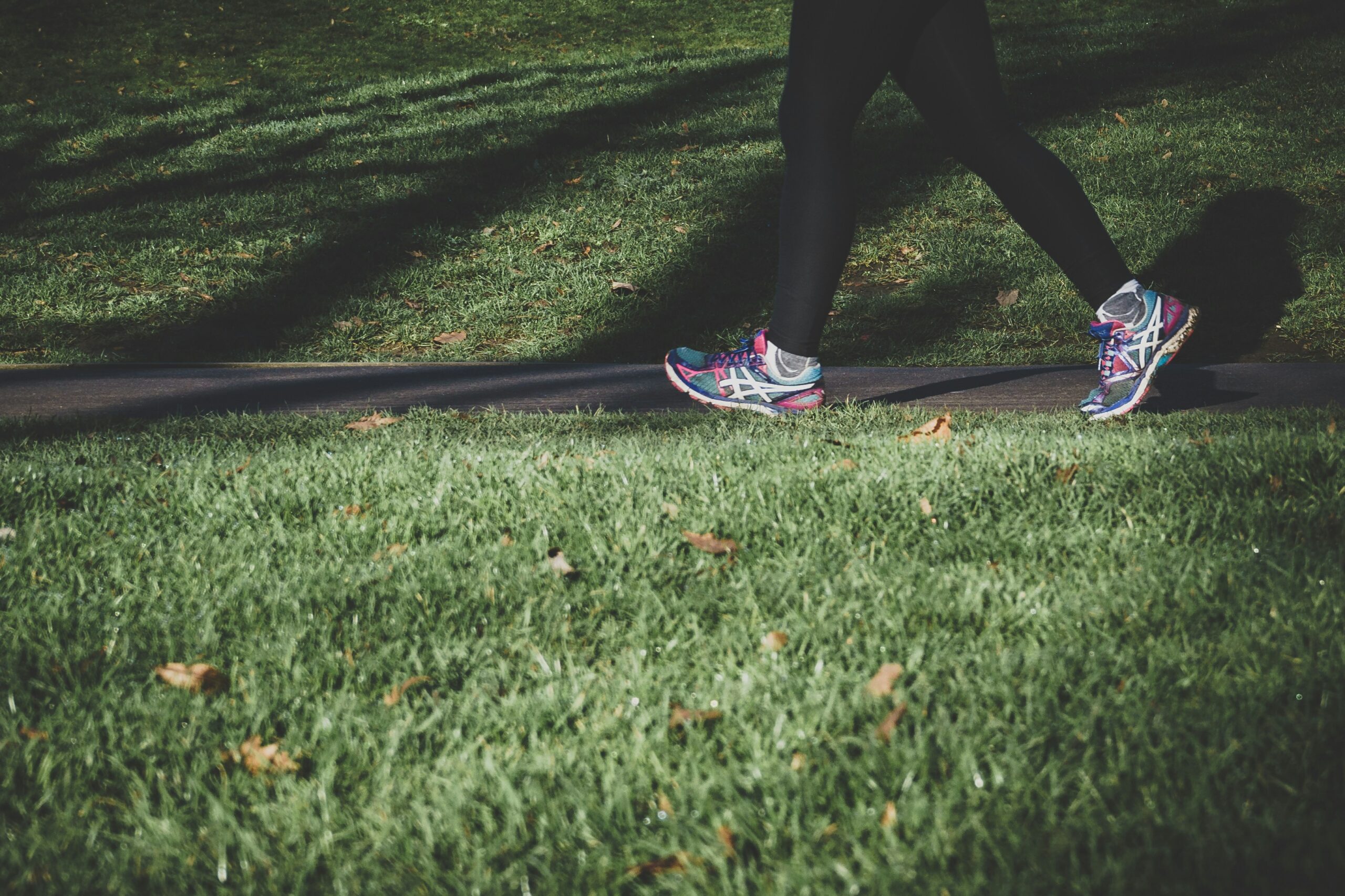
 When people decide to improve their health, they often imagine expensive gym memberships, intense workout programs, complicated meal plans, or waking up before sunrise for boot camp classes. While those approaches work well for some people, they aren’t the only path to better health. Sometimes the most effective wellness habit is also the simplest.
Walking is one of the easiest, safest, and most accessible forms of exercise available. It doesn’t require fancy equipment, athletic ability, or years of experience. You don’t have to be in perfect shape to begin, and you don’t have to spend hundreds of dollars to see results. Whether you’re 25 or 75, walking can become the foundation of a healthier lifestyle.
If you’ve been looking for a wellness habit that feels sustainable rather than overwhelming, it may be time to lace up your sneakers and head outside.
Walking Supports Your Heart Health
Your heart is one of the hardest-working muscles in your body, and walking is an excellent way to help keep it healthy.
Regular walks can help improve circulation, strengthen the heart, support healthy blood pressure levels, and improve cholesterol. Even moderate walking performed consistently throughout the week contributes to better cardiovascular health.
You don’t have to run marathons to care for your heart. A brisk walk around your neighborhood, local park, or walking trail several days each week can make a meaningful difference over time.
The key is consistency—not perfection.
Walking Helps Manage Weight Naturally
Many people immediately think of high-intensity workouts when weight loss or weight management becomes a goal. However, walking burns calories while placing much less stress on your joints than many higher-impact exercises.
When paired with balanced nutrition, regular walking can help create the calorie deficit needed for gradual, sustainable weight loss.
More importantly, walking encourages movement throughout the day. Instead of sitting for hours, adding walks after meals, during work breaks, or in the evenings increases your daily activity level without making exercise feel like punishment.
Small daily habits often produce bigger long-term results than short bursts of extreme motivation.
Walking Improves Mental Health
Exercise isn’t just about physical appearance—it’s also about emotional well-being.
Walking can become one of your greatest stress-management tools.
Many people notice that after a walk, they feel calmer, clearer, and more emotionally balanced. Walking encourages your body to release endorphins, often called “feel-good” chemicals, while also reducing stress hormones.
If you’ve had a difficult day at work…
If you’re overwhelmed by responsibilities…
If your mind feels cluttered…
A simple 20- or 30-minute walk may provide the mental reset you didn’t realize you needed.
Sometimes the answers you’re searching for don’t come while sitting at your desk. They arrive while you’re moving.
It Gives You Time to Think
Life moves quickly.
Phones buzz constantly.
Emails never stop.
Notifications compete for your attention.
Walking creates intentional space to disconnect from the noise and reconnect with yourself.
Many people use their walks as thinking time. It’s an opportunity to process emotions, pray, meditate, brainstorm ideas, reflect on goals, or simply enjoy silence.
Some people listen to uplifting podcasts or audiobooks.
Others enjoy music.
Many prefer nothing but the sounds of nature.
There is no wrong way to walk if it helps you recharge mentally.
Walking Can Improve Your Sleep
Quality sleep is one of the most overlooked parts of wellness.
People often search for supplements or expensive sleep aids before considering how movement affects their rest.
Regular physical activity helps regulate your body’s natural sleep cycle. Walking during the day can make it easier to fall asleep at night while also improving overall sleep quality.
When your body has moved throughout the day, it naturally prepares for deeper, more restorative rest.
Better sleep also supports improved mood, concentration, immune function, and energy.
Everything works together.
Walking Is Gentle on the Body
One reason many people quit exercise programs is because they start with activities that are simply too intense.
Sore muscles.
Joint pain.
Exhaustion.
Frustration.
Walking provides a lower-impact alternative that’s easier on the knees, hips, ankles, and back than many forms of exercise.
This makes it an excellent choice for beginners, older adults, people recovering from injuries (with medical approval), or anyone returning to exercise after a long break.
Progress doesn’t always have to be painful.
It Strengthens More Than Your Legs
Although walking primarily works your lower body, the benefits extend much further.
Walking strengthens muscles throughout your legs, hips, and core while improving balance, coordination, and overall mobility.
Maintaining strong muscles and good balance becomes increasingly important as we age because it supports independence and reduces the risk of falls.
Every walk is an investment in your future mobility.
Walking Boosts Creativity
Have you ever noticed that your best ideas arrive when you’re away from your desk?
There’s a reason.
Movement often stimulates creative thinking.
Many writers, entrepreneurs, artists, designers, and business owners intentionally take walks when they feel stuck on a project.
Walking gives your brain an opportunity to reset, allowing fresh ideas to surface naturally.
If you’ve been battling creative burnout, your next breakthrough may be waiting around the next corner.
It’s Easy to Fit Into Almost Any Schedule
One of the biggest excuses people give for avoiding exercise is a lack of time.
Walking eliminates much of that obstacle.
You don’t need an uninterrupted hour.
You can walk:
- Before work
- During your lunch break
- After dinner
- While your children ride their bikes
- While talking on the phone
- While listening to a meeting or webinar (when appropriate)
- While waiting during sports practices
Even several short walks throughout the day can add up.
Ten minutes here.
Fifteen minutes there.
It all counts.
Walking Encourages Consistency
The best wellness plan is the one you’ll actually stick with.
Many exercise routines fail because they’re difficult to maintain long term.
Walking feels achievable.
That matters.
When an activity feels realistic, you’re more likely to continue doing it week after week and year after year.
Consistency almost always outperforms occasional perfection.
Walking Can Become Social
Wellness doesn’t have to be lonely.
Walking creates opportunities to connect with others while improving your health.
Invite a friend.
Walk with your spouse.
Join a neighborhood walking club.
Take your children.
Bring your dog.
Some of the best conversations happen while walking side by side instead of sitting face to face.
The combination of movement and meaningful connection benefits both physical and emotional health.
Four Simple Ways to Add More Walking to Your Routine
1. Start Smaller Than You Think
Don’t pressure yourself to walk five miles on your first day.
Start with ten or fifteen minutes.
Build confidence before increasing distance or time.
2. Schedule It Like an Appointment
If walking is important, give it a place on your calendar.
Treat it with the same respect you give meetings, errands, or other commitments.
3. Make It Enjoyable
Wear comfortable shoes.
Choose scenic routes.
Listen to music, podcasts, or audiobooks if they motivate you.
The more enjoyable the experience, the more likely you’ll repeat it.
4. Celebrate Progress
Don’t focus only on weight or appearance.
Celebrate consistency.
Celebrate improved energy.
Celebrate better sleep.
Celebrate lower stress.
Celebrate simply showing up for yourself.
Every walk is progress.
Wellness Isn’t About Perfection
Too often, people believe wellness has to be all or nothing.
If they miss a workout, they quit.
If they eat one unhealthy meal, they give up.
If life gets busy, healthy habits disappear altogether.
Walking reminds us that wellness is built one step at a time.
You don’t have to transform your entire life overnight.
One walk becomes another.
One healthy choice leads to the next.
Small decisions made consistently often create extraordinary results over time.
Final Thoughts
Adding walking to your wellness plan isn’t about chasing perfection or keeping up with someone else’s fitness journey. It’s about making a simple commitment to care for your body, clear your mind, and improve your overall quality of life.
Whether your goal is reducing stress, improving your heart health, sleeping better, managing your weight, boosting your mood, or simply spending more time outdoors, walking offers benefits that extend far beyond exercise.
So put on a comfortable pair of shoes, step outside, and begin where you are.
You don’t have to walk the fastest.
You don’t have to walk the farthest.
You simply have to take the first step.
Your future self will thank you for every one that follows.Discover more from Connected Woman Magazine
Subscribe to get the latest posts sent to your email.