
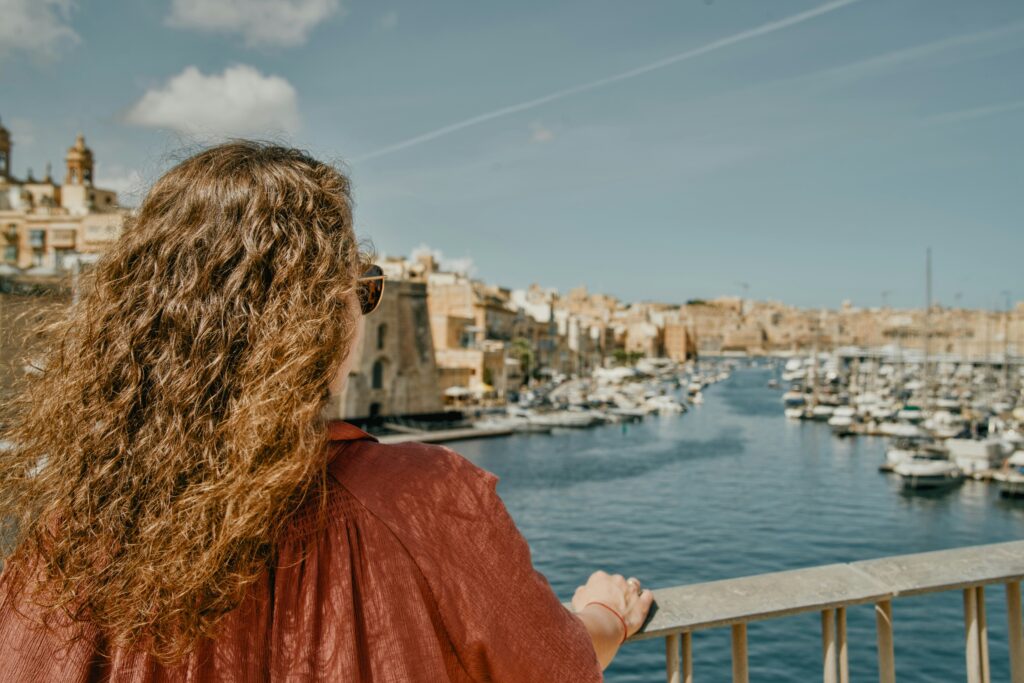
From seeking peace and financial freedom to embracing adventure and a fresh start, more women are exploring the possibility of building a life beyond American borders. But is moving abroad the answer to everything you’re hoping to change?
There comes a point in some women’s lives when the idea of starting over begins to sound less like a fantasy and more like an actual plan. Maybe it happens after another exhausting workweek, another disappointing election cycle, another conversation about the rising cost of living, or another realization that life is moving forward while their personal dreams remain on hold. Suddenly, the thought of waking up somewhere in Portugal, enjoying a slower morning in Costa Rica, or walking through a neighborhood in Spain doesn’t seem so far-fetched.
For a growing number of women, the question is no longer simply, “Where should I go on vacation?” It’s becoming, “Could I actually live somewhere else?”
Across social media, conversations about expatriate living, international relocation, digital nomad opportunities, and retiring overseas have captured the attention of women from different generations and backgrounds. Some are single professionals searching for a healthier work-life balance. Others are entrepreneurs hoping to stretch their earnings while expanding their experiences. Some are mothers considering different environments in which to raise their children, while others are women over 50 who are finally ready to put themselves first.
Although reliable data specifically measuring an increase in American women permanently relocating abroad remains limited, interest in international living has become increasingly visible through online communities, relocation discussions, and lifestyle content.
And perhaps the most interesting part of this conversation is that many women aren’t necessarily running away from their lives. They’re questioning whether the lives they’ve built are the only ones available to them.
Why Are So Many Women Dreaming of Leaving?
For generations, moving abroad was often viewed as something reserved for wealthy retirees, military families, international executives, or adventurous college graduates. Today, the possibility feels more accessible because of remote work, online entrepreneurship, digital resources, and communities that connect women already living overseas.
However, the motivation goes deeper than beautiful scenery and affordable apartments.
For some women, the desire to leave is rooted in exhaustion.
The demands of working, caregiving, maintaining households, navigating relationships, and managing financial responsibilities can leave little room for enjoyment. Add political uncertainty, concerns about healthcare affordability, social tensions, and the pressure to remain productive, and the possibility of living somewhere with a different pace becomes appealing.
Other women are searching for something they feel has been missing: freedom.
Freedom to reinvent themselves without the expectations of people who have known them for decades. Freedom to explore new cultures, build different friendships, learn another language, or pursue a lifestyle that doesn’t revolve around working until they’re too tired to enjoy anything else.
For Black women, in particular, conversations about living abroad can also include the emotional toll of racism, workplace discrimination, beauty expectations, and the constant pressure to be resilient. Online communities centered on Black women abroad have created spaces for discussing both the possibilities and challenges of finding belonging outside the United States.
Of course, racism and discrimination do not magically disappear when someone crosses an international border. Different countries have their own histories, social structures, prejudices, and cultural complexities. Still, some women are interested in exploring whether another environment might offer a different experience.
And then there are women who simply want an adventure.
Not every decision to relocate has to emerge from trauma, frustration, or disappointment. Sometimes a woman wants to live in another country because she has spent decades doing what was expected of her and now wants to discover what else the world has to offer.
That reason deserves consideration, too.
The Social Media Version Versus the Real Expat Experience
It’s easy to become captivated by videos featuring oceanfront balconies, inexpensive meals, beautiful apartments, outdoor markets, and women describing how much happier they are after leaving America.
But a 45-second video rarely shows the entire picture.
What happens when your visa application is denied? What if the affordable apartment advertised online isn’t available to foreigners at the same price? What if you experience a medical emergency, struggle with the language, or discover that finding meaningful friendships takes longer than expected?
What about the loneliness that can accompany being thousands of miles away from your children, aging parents, grandchildren, lifelong friends, and familiar traditions?
The truth is that moving abroad can be a beautiful, transformative experience, but it is still real life.
You will still have bills, responsibilities, difficult days, and moments when things don’t go according to plan. Depending on your destination, you may encounter complicated residency requirements, unexpected taxes, higher housing costs, limited employment opportunities, or healthcare systems that operate very differently from what you’re accustomed to.
Even women who genuinely love their lives overseas may experience homesickness, cultural fatigue, and uncertainty.
The goal shouldn’t be to exchange one unrealistic expectation for another. It should be to make an informed decision about the kind of life you want and whether another country can realistically support it.
 4 Tips to Help You Decide Whether Becoming an Expat Is Right for You
1. Get Honest About What You’re Leaving Behind and What You’re Hoping to Find
Before researching countries, booking flights, or announcing your plans, take time to understand your motivation.
Are you seeking a lower cost of living? Better weather? A slower lifestyle? More personal freedom? A different cultural environment? An opportunity to start over after divorce, retirement, career burnout, or another major life transition?
Or are you primarily trying to escape a situation that needs attention regardless of where you live?
There is nothing wrong with wanting distance from circumstances that have become emotionally or financially draining. However, relocating internationally won’t automatically resolve unresolved grief, relationship patterns, financial instability, or personal dissatisfaction.
Ask yourself whether the lifestyle you’re imagining requires moving abroad or whether some of those changes could begin where you currently live.
For example, if your primary concern is workplace burnout, moving to another country while keeping the same demanding remote job may not provide the relief you expect. If your concern is financial freedom, you’ll need to determine whether your income, savings, and potential expenses actually support that goal.
Try this: Write down five things you want your new life to include and five things you no longer want to tolerate. Then research whether your preferred destination genuinely supports those priorities.
A fresh start becomes much more meaningful when you know what you’re starting toward.
2. Research the Financial Reality, Not Just the Beautiful Lifestyle
One of the biggest attractions of expatriate living is the possibility of enjoying a comfortable lifestyle at a lower cost than in the United States.
Countries such as Mexico, Portugal, Costa Rica, Panama, and Thailand frequently appear in relocation conversations because they offer different combinations of climate, lifestyle, infrastructure, and living expenses.
However, affordability depends on your location, household size, income, residency status, healthcare needs, and personal expectations.
A country that feels inexpensive during a two-week vacation may become considerably more expensive when you’re paying rent, utilities, transportation, insurance, taxes, and other recurring expenses.
Before relocating, investigate the actual costs associated with your desired neighborhood rather than relying solely on national averages or influencer testimonials.
You’ll also need to consider how you plan to support yourself. Working remotely from another country may require permission from your employer and compliance with local immigration, employment, and tax laws. Having an American employer doesn’t automatically give you permission to work from anywhere.
Retirees should also examine how Social Security benefits, pensions, retirement withdrawals, Medicare limitations, and healthcare expenses might affect their financial security.
American citizens generally remain subject to U.S. tax filing obligations while living abroad, and some may also have tax obligations in their new country. Professional guidance can help prevent expensive surprises.
Try this: Develop two budgets: one based on your current expenses and another based on your researched expenses abroad. Include moving costs, residency fees, healthcare, emergency savings, flights home, and a financial cushion for unexpected situations.
Remember, a beautiful life abroad is much easier to enjoy when you’re not constantly worrying about how to pay for it.
3. Visit With the Intention of Living, Not Vacationing
There’s a tremendous difference between enjoying a destination as a tourist and experiencing it as a resident.
When you’re on vacation, someone else may be handling the cleaning, transportation, meals, and many of the logistical details. You’re enjoying restaurants, sightseeing, and relaxation without necessarily encountering the responsibilities of everyday life.
Living somewhere means figuring out grocery shopping, medical appointments, banking, transportation, internet reliability, neighborhood safety, and the everyday customs that shape your experience.
Before committing to a permanent relocation, consider spending several weeks or months in your preferred destination, provided your immigration status permits it.
Rather than staying exclusively in tourist districts, explore residential neighborhoods. Visit grocery stores, pharmacies, local markets, and public transportation systems. Research hospitals and healthcare providers. Pay attention to how comfortable you feel navigating ordinary activities.
Connect with women who already live there, especially those whose age, family circumstances, cultural background, and financial situations resemble yours.
Ask questions beyond whether they enjoy the weather and food. Find out what surprised them, what they miss, how they established friendships, and what they wish they had understood before relocating.
If you’re a woman considering moving abroad alone, explore personal safety, access to support networks, transportation after dark, and the social expectations surrounding women in your potential new community.
Try this: Plan an extended trial stay where you follow a realistic routine. Cook meals, manage a budget, work if legally permitted, navigate errands, and experience ordinary weekdays instead of treating every day like a vacation.
The objective is to determine whether you love the destination itself or simply love how you feel when you’re temporarily free from your usual responsibilities.
4. Consider Your Relationships, Healthcare, and Long-Term Future
Perhaps one of the most overlooked aspects of expatriate living is how relocation affects your emotional connections and future needs.
If you’re single and independent, moving abroad might seem relatively uncomplicated. But even without a spouse or children, you may have family relationships, friendships, medical needs, or community connections that are important to your well-being.
If you’re a mother or grandmother, consider how often you want to see your loved ones and whether your finances will support regular visits. If you care for aging parents, think carefully about how relocation might affect those responsibilities.
For women approaching retirement or entering their 50s, 60s, and beyond, healthcare deserves particular attention.
Research access to quality medical facilities, prescription medications, specialists, emergency services, and insurance options. Some countries have residency requirements or restrictions governing access to public healthcare. Private insurance costs can also increase with age or preexisting conditions.
You’ll also want to investigate long-term residency pathways. Tourist visas generally do not permit indefinite residence, and immigration requirements can change. Some countries offer retirement, employment, investment, or digital nomad residency programs, but eligibility and conditions vary.
Equally important is your emotional support system.
Building friendships as an adult can already be challenging. Doing so in another country, potentially in another language, requires patience and intentional effort.
Try this: Create a realistic five-year picture of your life abroad. Where will you receive medical care? How will you maintain relationships? What happens if you lose your income? Could you return to the United States if necessary? Who would support you during an emergency?
Your plan doesn’t have to account for every possibility, but it should provide enough stability that your new adventure doesn’t become an unnecessary source of anxiety.
What If You Love the Idea but Aren’t Ready to Leave Permanently?
Here’s something worth remembering: You don’t have to sell everything you own, give up your apartment, or announce a dramatic departure to explore international living.
For some women, the ideal solution may be spending part of the year abroad while maintaining a home base in the United States.
Others may enjoy taking extended vacations, participating in language immersion programs, pursuing temporary international assignments, or exploring short-term stays that comply with local immigration rules.
You might discover that you love spending three months in another country but prefer returning home for the remainder of the year. You might find that international travel satisfies your desire for adventure without requiring permanent relocation.
Or you might realize that moving abroad is exactly the lifestyle change you’ve been craving.
There is no universal answer.
The important thing is giving yourself permission to explore the possibilities without feeling pressured to make a life-changing decision simply because everyone on social media seems to be doing it.
Women Over 50: It’s Not Too Late to Start Somewhere New
For women who have spent decades raising families, building careers, supporting partners, and putting everyone else’s needs ahead of their own, the possibility of relocating abroad can represent something especially meaningful.
Choice.
The freedom to decide that the next chapter doesn’t have to resemble the previous one.
Maybe you spent your 30s establishing a career, your 40s juggling responsibilities, and your early 50s wondering when life would finally slow down enough for you to enjoy it.
Now you’re considering whether your future might include mornings near the ocean, learning a new language, developing friendships across cultures, or simply living somewhere that feels more aligned with the woman you’ve become.
There is no age limit on curiosity, adventure, or reinvention.
At the same time, moving abroad later in life requires careful consideration of retirement income, healthcare, accessibility, family relationships, and the support systems you’ll need as you age.
A new beginning should expand your possibilities, not compromise your security.
And if your dream changes during the planning process, that’s perfectly acceptable. Sometimes researching a different life helps you discover what matters most about the one you already have.
You Don’t Have to Hate America to Want to Experience Life Somewhere Else
One misconception surrounding expatriate conversations is that women considering international relocation must be rejecting their home country.
That isn’t necessarily true.
You can love your hometown, appreciate your community, cherish your family, and still wonder what life would feel like somewhere else.
You can be grateful for the opportunities you’ve had while acknowledging that your priorities have changed.
You can be proud of where you come from without believing you must spend every chapter of your life in the same place.
And yes, you can also be deeply dissatisfied with certain conditions in your country and decide that exploring alternatives is worth your time.
Women shouldn’t have to defend their curiosity about the world or apologize for wanting different experiences.
What matters is approaching the decision with realistic expectations, sound planning, and a willingness to embrace both the rewards and responsibilities of international living.
The Next Chapter Might Be Closer Than You Think
Perhaps the most empowering aspect of the growing conversation about women becoming expatriates is that it challenges the idea that we must remain permanently attached to the lives we’ve always known.
For some women, moving abroad will become one of the most rewarding decisions they ever make. For others, the research process will reveal that their ideal life can be created much closer to home.
Neither outcome represents failure.
You don’t have to relocate to prove that you’re adventurous, independent, or courageous. And you don’t have to remain somewhere simply because it’s familiar.
Whether your next chapter unfolds in North Carolina, Mexico City, Lisbon, or a quiet coastal town you’ve yet to discover, the goal should be the same: building a life that supports your well-being, reflects your priorities, and leaves room for the experiences that make you feel alive.
Because sometimes the greatest adventure isn’t leaving everything behind.
It’s realizing that you have more choices than you once believed.
Let’s Connect: Could You See Yourself Living Abroad?
Have you ever seriously considered leaving the United States and starting a new life in another country? Where would you go, and what would motivate your decision? Would you be willing to relocate permanently, or would you prefer spending part of the year overseas?
We’d love to hear your perspective. Share your thoughts in the comments below, especially if you’re already living abroad or actively planning your move. Your experiences might provide valuable insight for another woman considering her own next chapter.
And if this article made you think of a friend who’s been talking about packing her bags and starting fresh, share it with her!
Discover more from Connected Woman Magazine
Subscribe to get the latest posts sent to your email.