 In a world that praises women for being “strong,” Tameka Anderson challenges us to ask—at what cost? As a community builder, coach, and creator of the F.U.N. (Find Unmet Needs) approach, she helps women uncover what’s really beneath their stress, burnout, and emotional overwhelm, especially those known as the “strong friend.” Tameka boldly reframes strength as something that has often been weaponized into silent suffering—where women are relied on but rarely supported. Through honest conversations and intentional spaces, she invites women to recognize when their strength has become their prison and to redefine it as the courage to be vulnerable, ask for help, and finally have their own needs seen and met.
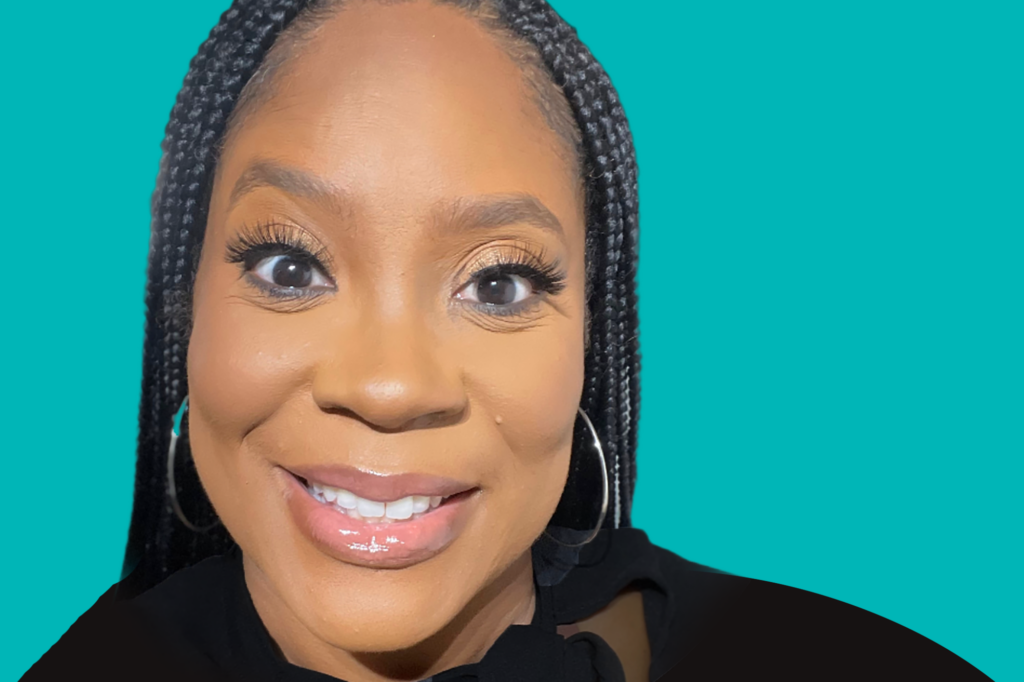 In a world that praises women for being “strong,” Tameka Anderson challenges us to ask—at what cost? As a community builder, coach, and creator of the F.U.N. (Find Unmet Needs) approach, she helps women uncover what’s really beneath their stress, burnout, and emotional overwhelm, especially those known as the “strong friend.” Tameka boldly reframes strength as something that has often been weaponized into silent suffering—where women are relied on but rarely supported. Through honest conversations and intentional spaces, she invites women to recognize when their strength has become their prison and to redefine it as the courage to be vulnerable, ask for help, and finally have their own needs seen and met.
The F.U.N. (Find Unmet Needs) approach is such a powerful and memorable framework—what inspired you to create it, and how did your own experiences shape its development?
My journey to creating F.U.N. began in my darkest moment when I was drowning in expectations and exhaustion, appearing bubbly and vibrant while crumbling inside. Therapy reintroduced me to the concept of ‘unmet needs,’ and I became obsessed, diving deep into psychology, neuroscience, attachment theory, and the work of Marshall Rosenberg and Gabor Maté. I discovered that beneath every behavior and struggle was an unmet need crying out to be seen. The framework was born from a beautiful collision of insight and serendipity. When a client described me as “FUN,” I saw the perfect acronym: F.U.N. (Find Unmet Needs). It captured everything I’d learned that healing doesn’t have to be heavy all the time. There’s joy in discovery, liberation in understanding, and yes, even fun in becoming whole. Key insights that shaped F.U.N.: • Every behavior points to an unmet need • Healing requires both depth and accessibility • Making concepts memorable increases transformation • The work can be profound without being perpetually painfulMany women identify as the “strong friend” but rarely feel supported themselves. How do you help women recognize when strength has turned into silent suffering?
I’ve denounced the word ‘strong’ as a label for women because I’ve witnessed how people weaponize it as socially acceptable abandonment. When you believe someone is strong, you don’t check on them; you assume they can handle it. It’s a convenient excuse that allows people to opt out of showing up for the women who need them most. I ask women directly: “What has your ‘strong’ done for you lately? Do you feel cared for? Comforted? Supported? Seen?” The answer is almost always no, often followed by tears, the first time someone has permitted them to acknowledge that their strength has become their prison. Signs of strength have become silent suffering: • Everyone calls you in crisis, but you have no one to call • You’ve forgotten how to ask for space for yourself • You pride yourself on not needing anyone, but you’re desperately lonely • Your body is screaming (headaches, insomnia, digestive issues), but you push through • You can’t remember the last time you truly let someone in I help them redefine strength not as the ability to endure alone, but as the courage to be vulnerable, ask for help, and admit when you’re not okay.When someone first encounters the concept of “unmet needs,” what are some of the most common revelations they have about themselves?
I walk women through the six basic human needs: certainty, variety, significance, love/connection, growth, and contribution, and ask them to identify their top two. Understanding your primary needs unlocks why you do what you do, and that’s when profound revelations emerge. Common breakthroughs: • The Overachiever: Discovers relentless drive stems from an unmet need for significance, trying to prove worth through accomplishments • The People-Pleaser: Realizes inability to say no comes from an unmet need for love/connection, earning love that should be freely given • The Control Paradox: Learning to micromanage everything stems from an unmet need for certainty rooted in childhood chaos • The Serial Starter: Understands jumping between projects/relationships often masks fear of intimacy or commitment • The Invisible Woman: Recognizes she’s made herself small because she learned her needs were a burden The breakthrough moment comes when they realize their behaviors aren’t character flaws, they’re adaptive strategies. That shift from shame to understanding is where healing begins.Stress and burnout are often normalized, especially for women who carry multiple roles. How does your work challenge that normalization and encourage something different?
I promote nervous system regulation as non-negotiable and ask women: How many different ways can you slow down daily? Not weekly or monthly, but daily. I’m a huge advocate for removing things from your plate, not just managing them better. The problem isn’t poor time management; it’s trying to do too much. How I challenge burnout culture: • White Space Audit: If my calendar doesn’t have enough empty blocks, I cancel things (not reschedule) • Subtraction Practice: What can you remove, delegate, or simply stop doing? • Nervous System Literacy: Teaching women to recognize their nervous system states and regulate through breathwork and somatic practices • Permission to Rest: You don’t have to earn rest, be productive, or wait until burnout to slow down • Redefining Productivity: Some of my most productive days involve doing very little. Creativity requires space The different thing I encourage: What if your life wasn’t meant to be survived but savored? What if slowing down isn’t lazy but wise? What if protecting your peace isn’t selfish but sacred?You’re known for creating spaces where women feel safe enough to be real. What does true emotional safety look like to you, and how do you intentionally cultivate it?
True emotional safety happens when you’re so regulated that you can help someone else co-regulate. I spend significant time daily regulating my nervous system, slowing down, breathing, pausing. This isn’t just self-care; it’s preparation for service. When I’m in the room with others, I invite them into my calm instead of joining their chaos. How I cultivate emotional safety: • Embodied Presence: Showing up fully present, no phone, distractions, or agenda beyond witnessing • Non-Judgment: My own inner work ensures judgment doesn’t leak into the space • Permission to Feel: Cry, rage, sit in silence, all emotions are valid and welcome • Boundaries as Safety: I weed out people not emotionally healthy enough to maintain a safe space for others • Modeling Vulnerability: I share my own journey, struggles, and unmet needs Emotional safety isn’t just creating a warm environment; it’s creating a container strong enough to hold the full spectrum of human experience: the messy, painful, beautiful, and transformative.In your experience, what are some of the deeper, often unspoken needs that women are afraid to admit—even to themselves?
From what I’m hearing, many women are afraid to admit they need sisterhood. We’ve been wounded so deeply by women we wanted to call ‘sis’ that we’ve developed hard exteriors to protect ourselves from what we actually need: true community. The betrayals, gossip, competition, and exclusion have built walls, but underneath that armor is a woman who desperately wants to be seen, known, and loved by other women. Unspoken needs women fear admitting: • To be mothered: Even if you had a mother, you may not have been nurtured the way you needed • To be chosen: Not tolerated or included out of obligation, but genuinely chosen • To be celebrated, not just supported: To share wins without dimming your light • To rest: True rest, lying down the burden of being strong and in control • To be pursued: In friendships and community, not always being the initiator • To be forgiven: For not being perfect, for mistakes, for being human I believe women are afraid to admit they need other women to extend compassion, care, and concern for their well-being. The tragedy is these needs are normal, healthy, and human, but we’ve been conditioned to see them as weaknesses.The idea that “your needs matter too” sounds simple, but for many women it feels foreign. What are some practical ways women can begin to reconnect with and honor their needs?
It starts with valuing ourselves. When I value myself, meeting my needs is never optional; it becomes the standard. But that’s easier said than done when you’ve spent years putting everyone else first. Practical ways to reconnect with your needs: • Needs Inventory: Identify what you need to feel safe, loved, energized, and at peace. Write them down without judgment • Daily Non-Negotiable: Choose one need and make meeting it non-negotiable every day (start small, be consistent) • Value Alignment Check: Does how you spend time/energy/resources align with what you say you value? • Permission Practice: Say out loud: “I am allowed to have this. I am worthy of this. This is necessary.” • Boundary Experiment: Say no to one thing this week you’d normally say yes to out of obligation • Self-Compassion Pause: When you catch yourself in self-criticism, ask “What do I need right now?” and give yourself that thing Reconnecting with your needs is an act of rebellion in a world that profits from your self-neglect. It’s radical, necessary, and starts with believing you’re worth the effort.How do you guide women through the guilt that often comes with prioritizing themselves, especially when they’re used to being everything for everyone else?
That’s the inner work that must be addressed before any work will work. I get to the root: What unmet need is screaming for you to abandon yourself? Who told you your needs didn’t matter? When did you learn your worth was tied to your usefulness? These aren’t rhetorical; they’re excavation tools. The process: 1. Identify the Origin Story: Guilt was taught by a parent, religious upbringing, or culture that equated self-sacrifice with virtue 2. Challenge the Belief: Is it true that meeting your needs makes you selfish? That you’re only valuable when serving others? 3. Reverse Engineer New Beliefs: Replace “My needs are a burden” with “My needs are valid and worthy of being met.” 4. Reframe the Narrative: Prioritizing yourself isn’t taking from others. When you’re depleted, you’re not showing up as your best self for anyone 5. Practice Tolerating Discomfort: Feel the guilt, name it, thank it for trying to protect you, then do the thing anyway 6. Celebrate Small Wins: Every time you prioritize yourself and survive the guilt, you’re rewiring your brain The guilt will get quieter. Eventually, the voice that says “You deserve this” will get louder than the voice that says “You’re being selfish.”What role does community play in healing emotional overwhelm, and how have you seen women transform when they realize they’re not alone?
I always say healing happens in safe community. We cannot be our best selves by ourselves. The issue I’m seeing is that women don’t trust others enough to lean into community for support, and rightly so, given how many wounded people are projecting their pain. But here’s the paradox: We need community to heal, yet we’ve been wounded by community. The solution? Learning to trust yourself enough to recognize when someone else is trustworthy enough to build community with. What happens when women find safe community: • The Mirror Effect: Hearing another woman’s story that sounds like yours breaks isolation and shame • The Permission Cascade: One woman’s vulnerability permits everyone to do the same • Collective Wisdom: No one person has all the answers, but a community does • Accountability Factor: People lovingly call you out when you’re slipping into old patterns • Celebration Circle: Your success becomes our success. We rise together I’ve seen women transform from isolated and barely surviving to connected and thriving, all because they found their people. Community doesn’t erase the struggle, but it makes it bearable. It reminds you that you’re not walking this path alone.Can you share a powerful moment or breakthrough you’ve witnessed in one of your workshops that truly captures the impact of your work?
I remember working with a brilliant client who had a pattern of self-sabotage. She’d get close to breakthroughs, promotions, opportunities, and achievements, then undermine herself. She’d miss deadlines, say something inappropriate, or simply not show up. I asked her one question: “Who are you trying to prove right by shrinking?” The room went silent. She caught her breath, then came the deep, body-shaking tears. When she stopped crying, she said, “My parents. I believe I kept holding myself back because who am I to go further than they did in life?” There it was, the root. Her self-sabotage wasn’t a character flaw; it was misguided loyalty to keep from outshining her parents. The transformation: • She shot up to the top of her career, made more money than ever • Started speaking on stages she’d previously been too afraid to pursue • Started the podcast she’d been “thinking about” for five years • Had a healing conversation with her family That’s the power of this work: One question. One breakthrough. One woman liberated. The ripple effects are immeasurable.Emotional overwhelm often builds over time. What are some early signs that a woman is ignoring her unmet needs before she reaches a breaking point?
As they say, the body keeps score. You will feel it before you consciously acknowledge it. Your body is always communicating. The question is, are you listening?
Early warning signs:
• Physical symptoms: Unexplained aches, tension headaches, jaw clenching, digestive issues, skin breakouts
• Sleep disruptions: Insomnia (racing mind) or hypersomnia (can’t get out of bed from emotional exhaustion)
• Mood changes: Irritability, low patience, crankiness, feeling on edge constantly
• The Snap: Exploding at the smallest thing, the reaction isn’t about the trigger; it’s about the buildup
• Emotional numbness: Going through motions, feeling disconnected, no joy
• Withdrawal: Canceling plans, avoiding social interactions, isolating
• Decision fatigue: Simple choices feel overwhelming (what to eat, what to wear)
• Loss of interest: Things that brought joy no longer do; hobbies feel like chores
• Increased coping mechanisms: Drinking more, endless scrolling, binge-watching, emotional eating
• The “I’m fine” lie: Automatically saying you’re fine while falling apart inside
The key is catching these signs early. Don’t wait for the breaking point. Your body is giving you signals; honor them. Slow down. Ask for help. Meet your needs before they become emergencies.
How do you balance being a coach and a community builder while also protecting your own energy and ensuring your needs are met?
I think of myself like a cup. I always get the first pour. I spend time with God, the Source, daily so He can pour His awesomeness into me. Then, once I’m filled, I spill some of that onto others. It’s not selfish; it’s sustainable. You can’t give what you don’t have. How I protect my energy: • Morning Ritual: Before checking my phone or doing anything for anyone else, I fill my cup (prayer, meditation, journaling, movement) • Energy Audits: Regularly assess where energy is going, what the vampires are, and what’s draining vs. life-giving • The Cancel Culture: When I’m off balance, I cancel things to get back on track (not reschedule, cancel) • Boundaries as Love: Clear boundaries around time, energy, availability, no calls/texts after certain times, no weekends, no wrong-fit clients • Regular Recalibration: Check in: Am I enjoying this? Still aligned? Operating from overflow or running on fumes? • Saying No = Saying Yes: Every no to what doesn’t support me is a yes to what does Bottom line: I keep my cup filled with goodness so I can spill goodness into the world. When my cup is empty, I have nothing to give. When it’s full, I have an abundance to share.In a world that often rewards overworking and self-sacrifice, how can women begin to redefine what strength actually looks like?
I have redefined strength so much that I refuse to allow anyone close to me who cannot ask for help. Leaning on others is a strength because it forces you to face your limitations and put your ego in the backseat. Asking for help is a strength. Overworking and self-sacrifice are weaknesses in my eyes. Redefining strength: • Strength is vulnerability: Saying “I’m not okay,” “I need help,” “I can’t do this alone.” • Strength is boundaries: Saying no, protecting your time/energy/peace • Strength is rest: Knowing when to stop, honoring your body’s need for recovery • Strength is asking for what you need: Clearly, directly, not hinting or hoping • Strength is letting people see you: The real, messy, imperfect you • Strength is choosing yourself: Even when it disappoints others or goes against what you were taught • Strength is community: Building support systems and letting people hold you • Strength is healing: Doing inner work, going to therapy, breaking generational cycles The world will continue rewarding overworking and self-sacrifice because it benefits from your depletion. But you don’t have to participate. You can redefine strength on your own terms and permit other women to do the same.For the woman reading this who feels exhausted, unseen, and stretched thin—what is the first step she can take today to begin her journey toward healing and wholeness?
Find someone who can support her healing: a therapist, coach, mentor, or spiritual guide who can hold a mirror and a tissue to help her locate the wounded parts that need to be witnessed and held. She needs this because healing isn’t pretty. It’s messy, uncomfortable, and painful. There will be tears, rage, grief, and moments where she wants to quit. Look for someone who: • Has done their own work (you can’t take someone where you haven’t been) • Creates safety (you must feel safe enough to be vulnerable) • Sees you (not who you pretend to be, but who you actually are) • Challenges you lovingly (calls you out when self-sabotaging, calls you up to your potential) • Believes in you (holds the vision of your wholeness when you can’t see it) Once she’s found that person, the next step is to go ALL IN and be willing. Willing to feel avoided feelings, face denied truths, release old stories, do hard work, trust the process, and believe she’s worth the effort. Healing isn’t linear; there will be setbacks and breakthroughs. But if you’re truly willing to show up for yourself, you will heal. You will become whole. The journey begins with finding someone to walk with you, then being willing to take the next step, and the next.Looking ahead, how do you hope your F.U.N. approach continues to evolve, and what legacy do you want your work to leave for the next generation of women?
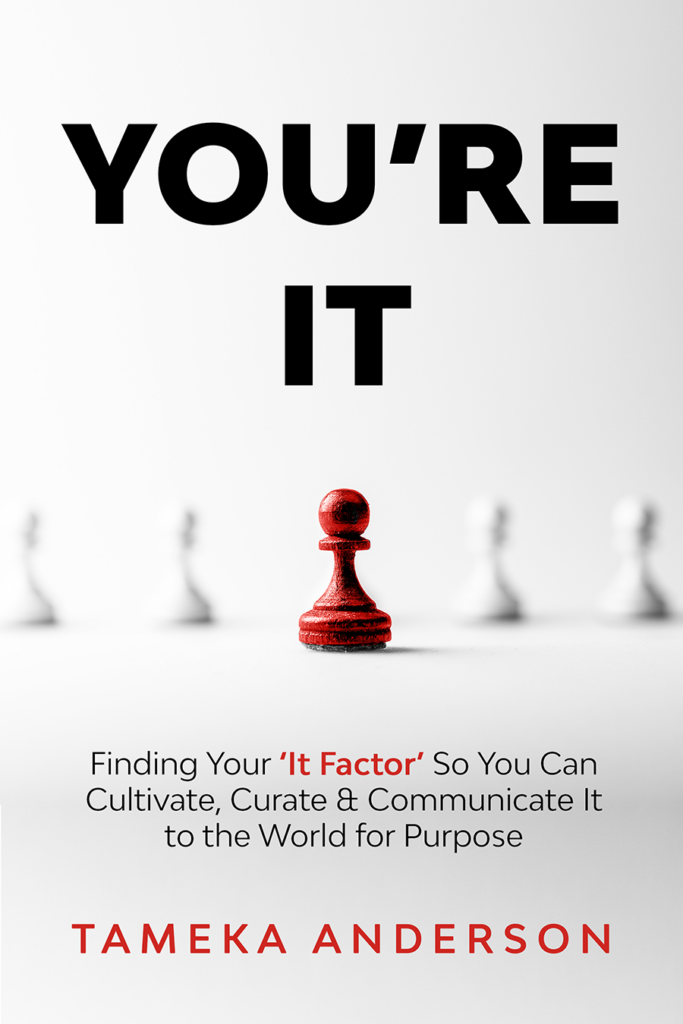
I would love to leave a legacy for the next generation of women to come together faster, stay longer, and build wider with each other. Imagine a world where women don’t waste decades competing, tearing each other down, or operating in isolation. Imagine if we could compress the timeline, if women could learn in their twenties what took us until our forties to figure out. How I hope F.U.N. evolves: • A Movement, Not Just a Method: A way of life and lens through which women view themselves, relationships, and purpose • Intergenerational Healing: Mothers teaching daughters about unmet needs to break generational cycles • Global Sisterhood: Women across cultures connecting through universal needs, building bridges not walls • Accessible Healing: Resources (books, workshops, online communities) that make healing available to everyone • Collective Power: Women finding their superpower, linking up, and making magic happen together The legacy I want: A generation of women who know their worth, honor their needs, and build with each other instead of against each other. Women free from the burden of being strong who embrace the power of being real. Women who understand their healing isn’t just for them, it’s for their daughters, communities, and the world. I want women to look back and say, “That’s when things changed. That’s when we stopped suffering in silence. That’s when we started coming together and building the world we wanted to see.” How can our readers connect with you? You can reach me anywhere on the web: @funcoachtameka, and my website is: https://funcoachtameka.com/ My book: You’re It: https://a.co/d/0f3qOmmrDiscover more from Connected Woman Magazine
Subscribe to get the latest posts sent to your email.