Discover how one visionary entrepreneur turned a passion for wine into a thriving community centered on culture, connection, and belonging.
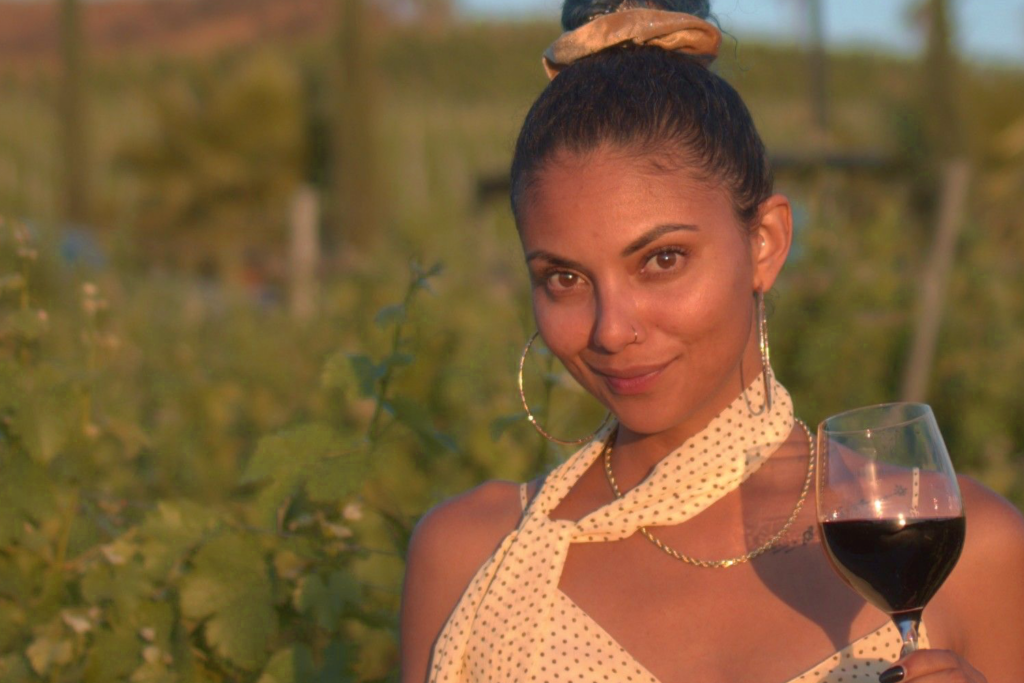
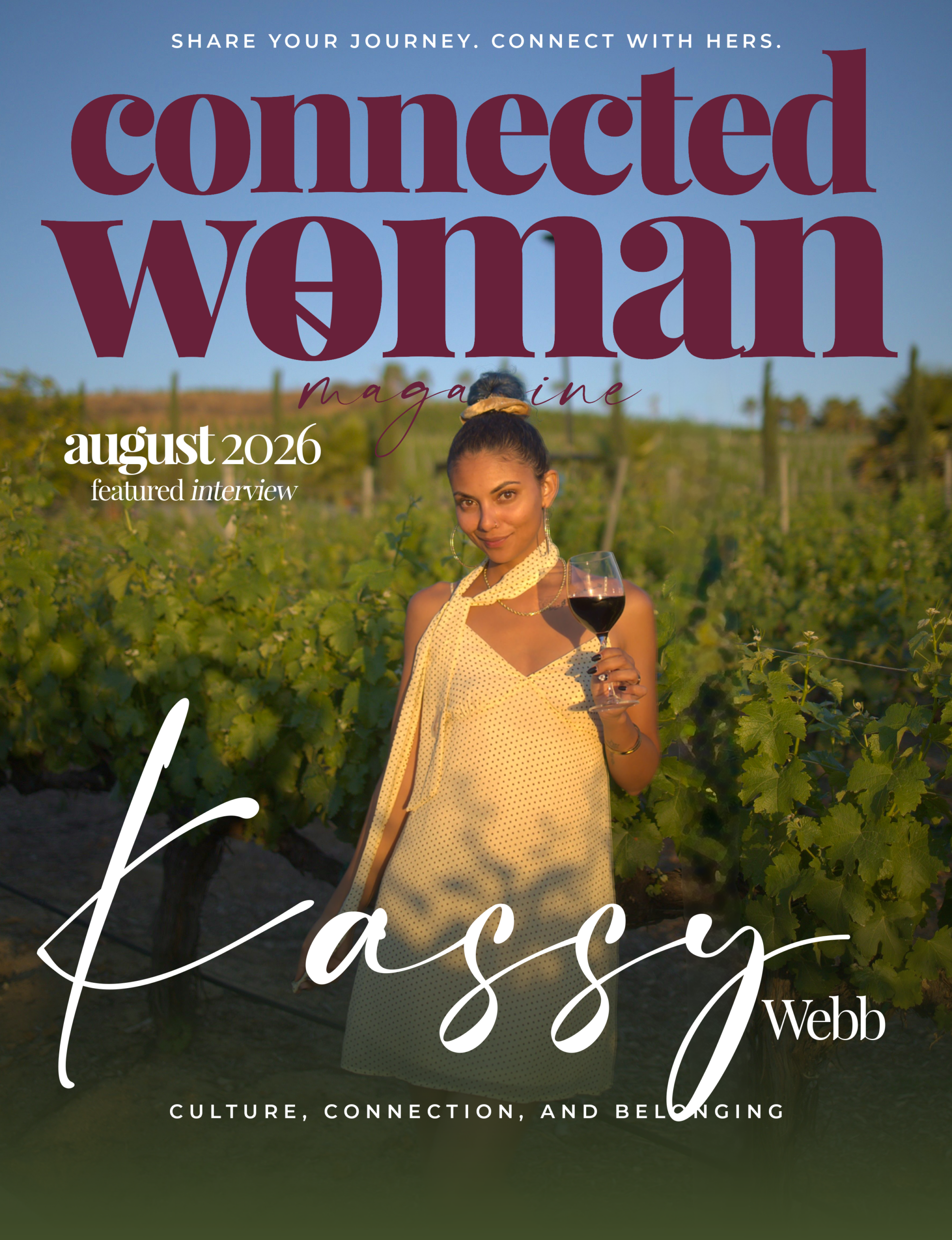
Wine has the remarkable ability to bring people together, but for Kassy Webb, it’s never just been about what’s poured into the glass. As the founder of Noir Vine Society, she has transformed her background in marketing into a thriving hospitality brand that creates unforgettable wine experiences while celebrating Black culture, connection, and community. Through intentional gatherings and elevated events, Kassy is redefining who feels welcome in the world of wine and proving that representation belongs at every table. In this interview, she shares her entrepreneurial journey, the vision behind Noir Vine Society, and why creating meaningful experiences has become her greatest vintage yet.
You made the transition from marketing strategist to hospitality entrepreneur, creating one of Southern California’s fastest-growing wine communities. Looking back, what inspired you to take that leap, and what did you see missing in the wine industry that you knew Noir Vine Society could provide?
People often think I made this huge career pivot into hospitality, but the truth is, I’ve always been a marketer first. My background is in building communities, helping businesses grow, and understanding why people choose to trust a brand. Noir Vine Society is really where all of those skills came together.
The turning point happened when I hosted my Black women entrepreneurs group at a winery. We were simply having conversations about business when we were labeled as “the loud Black people.” It wasn’t the comment itself that stayed with me. It was what it represented. It made me realize how many people had probably walked away from wine because they didn’t feel like they belonged.
At the time, I couldn’t find what I was looking for. I didn’t see many people who looked like me. I didn’t hear music that felt familiar. I didn’t see wine education that felt approachable instead of intimidating. There were events at wineries, but there weren’t many experiences that combined education, hospitality, culture, and genuine community.
Ironically, Noir Vine Society wasn’t supposed to become an events company at all. It started as a social media page where I wanted to teach people about wine in a way that felt approachable. My goal was to help people become comfortable enough to eventually visit a winery on their own. I never imagined I would become the person bringing them there.
Looking back, I don’t think I found a gap in the wine industry. I think I found people who had been overlooked by it. My job became creating the bridge between them.
Noir Vine Society has become much more than a wine club—it has evolved into a community and cultural experience. How intentional were you about building belonging first and wine education second, and why was that distinction important?
It was completely intentional because I don’t think people learn well when they’re uncomfortable. If someone walks into a winery already feeling intimidated, worried they’ll order the wrong wine or ask the wrong question, they’re probably not going to remember much about what they’re tasting because hey’re focused on fitting in so I wanted to flip that experience on its head.
When people come to Noir Vine Society, my first priority isn’t teaching them about tannins or acidity. My first priority is making sure they feel like they belong. I greet people as they arrive, especially guests who came by themselves. I introduce them to others, explain what the day is going to look like, and remind everyone that they don’t have to know anything about wine to be there. Once people realize they’re in a space where they aren’t being judged, something really beautiful happens because they become curious, ask questions, and start trying wines they never would have ordered before. They leave with new knowledge almost by accident because they finally felt comfortable enough to learn. To me, belonging isn’t separate from education. It’s actually what makes education possible.
Many people still associate wine culture with exclusivity or intimidation. How has Noir Vine Society helped dismantle those perceptions while making wine approachable without sacrificing sophistication?
One of the biggest misconceptions about wine is that you have to become someone else to enjoy it. People think they need to know the “right” words, understand every tasting note, or already have a refined palate before they ever step into a tasting room. None of that is true. I tell people all the time that your palate is allowed to evolve. You don’t have to start with Cabernet Sauvignon because someone told you that’s what serious wine drinkers enjoy. If your journey starts with Moscato, that’s okay. Mine started there too!
The other misconception is that approachable somehow means less sophisticated. I completely disagree. I think true sophistication is making someone feel comfortable enough to ask questions without making them feel embarrassed. It’s creating an experience where a first-time wine drinker and a seasoned collector can sit at the same table, enjoy the same conversation, and both leave feeling like they gained something. That’s the environment we’ve worked so hard to create.
Representation matters across every industry. What has your experience been as a Black woman building a brand within the wine and hospitality space, and what barriers have you had to overcome that aren’t always discussed publicly?
One thing people don’t always realize is that many of the barriers aren’t loud. They’re subtle.
Sometimes it’s walking into a room and realizing you’re the only Black woman there. Sometimes it’s noticing that no one thought about your community when they planned their marketing.
Sometimes it’s hearing assumptions about what Black consumers drink or what kind of experiences we want before anyone has actually taken the time to ask us.
I’ve experienced racism in multiple industries throughout my career, whether it was working in firearms, officiating basketball, retail, or now hospitality. Every one of those experiences taught me resilience, but they also taught me something else. They taught me how important it is to create spaces where people don’t have to question whether they belong.
I don’t want Noir Vine Society to exist because exclusion exists. I want it to exist because representation matters. Visibility matters. Community matters.
The beautiful thing is that we’re starting to see change. Recently, one of our winery partners had several Black servers behind the tasting bar. Watching my guests connect with them so naturally reminded me how powerful representation can be. It wasn’t about seeing someone who looked like them just for the sake of it. It was about seeing themselves reflected in an industry where that has historically been rare.
Progress doesn’t happen because one group works harder than everyone else. It happens because people become willing to open doors, advocate for talent, and create opportunities that didn’t exist before. That’s the future I want to be part of building.
Community is clearly at the heart of everything you do. In your opinion, what ingredients transform a group of attendees into a thriving community where people genuinely feel connected?
People often ask me how I create the energy you see in our recap videos, and my answer always surprises them. I don’t create it but I do create the environment where it can exist.vThe biggest ingredient is psychological safety because when people have to feel like they can show up exactly as they are without worrying about being judged. Once that happens, everything else starts happening naturally. Someone compliments another woman’s outfit. Two strangers start talking over a glass of wine. Someone admits they’re nervous because they’ve never been wine tasting before, and suddenly three other people say, “Me too.” That’s how community starts.
I also think consistency matters. Community isn’t built because people attend one event. It’s built because they know they’ll be welcomed every single time they come back. They trust the experience, they trust the people, and eventually they begin inviting others into it. At the end of the day, people aren’t just looking for things to do. They’re looking for places where they feel like they matter. If we’ve done our job well, our guests don’t leave talking only about the wine they drank. They leave talking about the people they met, the conversations they had, and the feeling they can’t wait to experience again.
Hospitality is often described as making people feel seen before they ever feel served. How do you intentionally create experiences where guests feel welcomed, valued, and celebrated from the moment they arrive?
I think hospitality starts long before someone takes their first sip of wine. It’s in the way you greet someone when they arrive. It’s whether you acknowledge them immediately or leave them standing there wondering where they’re supposed to go. Those little moments matter far more than people realize because they set the tone for everything that follows. One thing I pay special attention to is the guests who come alone. I remember what it feels like to walk into a room where you don’t know anyone, so I make it a point to introduce them to another guest or group right away. Within minutes, they’re usually laughing and talking like they’ve known each other for years.
At the beginning of every experience, I also gather everyone together and set the tone for the day. I remind them that this experience was built for them, that they don’t have to know anything about wine to belong here, and that there are only three things I ask of them: be safe, be respectful, and make memories. Those aren’t just event rules, they’re our core values. I’ve learned that hospitality isn’t about perfection and making people feel like someone genuinely thought about them before they arrived is what people remember long after they’ve forgotten which wines they tasted.
Entrepreneurship often looks glamorous on social media, but every successful founder has moments of uncertainty. Can you share a season when you questioned your vision and what ultimately gave you the confidence to keep building?
This past year tested me in ways I never expected. I was recovering from a serious car accident while simultaneously trying to keep multiple businesses moving forward. There were days when my health had to come first, days when I questioned whether I could continue building everything I had envisioned, and days when I simply didn’t recognize the pace I was capable of anymore. As entrepreneurs, we’re often celebrated for pushing through, but I actually think one of the hardest lessons I’ve learned is that sometimes strength looks like slowing down. What gave me confidence wasn’t pretending everything was okay. It was realizing that the community I’d spent years pouring into was now pouring back into me. Friends showed up, clients showed grace, my partner became my biggest source of encouragement and people reminded me why I started all of this in the first place.
That season completely changed my definition of success. Today, success isn’t just about growth. It’s about building something resilient enough that it can withstand difficult seasons without losing sight of its mission.
Your background in marketing undoubtedly influenced how you launched and scaled Noir Vine Society. What marketing principles have been the biggest contributors to your growth, and what outdated business advice do you believe entrepreneurs should leave behind?
Marketing has never been about convincing people to buy something. It’s about helping the right people feel seen. That’s the philosophy I’ve built every business around. One of the biggest reasons Noir Vine Society has grown is because I wasn’t trying to appeal to everyone. I was speaking directly to people who had quietly been thinking, “I wish there was a space like this for me.” When people feel understood, they naturally become your biggest advocates.
I also believe we’ve entered a new era where community is outperforming audience. For years, businesses were told to chase followers, go viral, post more, be everywhere. I actually think we’re moving in the opposite direction. I’d rather have a thousand people who genuinely trust me than a hundred thousand who scroll past my content every day. The biggest piece of outdated advice I’d love to retire is the idea that you have to be everything to everyone.
You don’t. The clearer you become about who you’re serving and why, the easier marketing becomes and the success follows.
Wine has historically been marketed to very specific audiences. How important has it been for you to rewrite that narrative by centering Black culture, joy, celebration, and shared experiences?
It’s been one of the most meaningful parts of this journey because I don’t believe we’re changing wine culture. I think we’re expanding it. Black people have always celebrated in the way we always gathered around food, music, storytelling, and community. Wine naturally belongs in those moments too. For a long time we have been shown that we don’t belong in wine country and the wine industry. Not always because someone explicitly said we couldn’t be there, but because we rarely saw ourselves reflected in the marketing, the education, or the experiences.
So instead of asking Black consumers to adapt to existing wine culture, I wanted to ask a different question. What if wine culture adapted enough to make room for us too? That looks like music that feels familiar, conversations that don’t require you to pretend to know everything, and celebrating Black joy while still respecting the spaces we’re in.
One of my favorite moments during our experiences is when everyone gets up to do the electric slide. It’s something so simple, but suddenly you see people from completely different backgrounds smiling together, joining in, and sharing a moment they didn’t expect. That’s what culture does. It invites people in.
As Noir Vine Society continues to grow, how do you maintain authenticity while scaling your business? What systems or values help ensure the community never loses the personal touch that attracted members in the first place?
I think authenticity becomes difficult to maintain when growth becomes the goal instead of the outcome. Community has always been my mission and focus. As we’ve expanded, I’ve had to become more intentional about documenting the things that make Noir Vine Society feel the way it does. We create systems, but those systems exist to protect the experience, not replace the human connection. I still greet guests whenever I can. I still remember names. I still introduce people to one another. I still read the feedback after every event because I’m genuinely curious about how people felt. The day those things become optional is probably the day Noir Vine Society starts feeling like just another events company. The other thing that keeps me grounded is remembering that Noir Vine Society is only one piece of a much larger mission.
Through Wine with Kassy, I get to make wine education more approachable every day. Through Noir Vine Advisory, I get to help wineries and Black-owned wine brands create better guest experiences and stronger businesses. Through my marketing agency, I help entrepreneurs build communities with intention. They’re all connected by the same belief. People don’t remember brands because of what they sell, it’s because of how they made them feel. And as long as I keep leading with that, I believe the business can continue to grow without losing the heart that made people fall in love with it in the first place.
 Building experiences requires both creativity and operational excellence. What have been some of the biggest lessons you’ve learned about leadership, delegation, and trusting others with your vision?
One of the hardest lessons I’ve learned is that no one will ever care about your business in exactly the same way you do, and that’s okay. Early on, I expected people to see every little detail the way I did. If something wasn’t done exactly how I envisioned it, I wanted to step in and fix it myself. Over time, I realized that leadership isn’t about creating more dependence on you. It’s about creating more confidence in the people around you. That doesn’t mean lowering your standards, you just need to be better at communicating them. I’ve learned to document processes, explain the “why” behind decisions, and encourage my partners to trust in my vision.
The other lesson is knowing when not to delegate. There are parts of Noir Vine Society that are the heart of the brand. Educating guests one-on-one. Protecting the culture we’ve built. Setting the tone for the day. Those are things I still want to be deeply involved in because they’re foundational to the experience. Leadership has taught me that not everything should scale.
Some things should stay personal.
You often bring together people from different backgrounds, professions, and life experiences. What have those gatherings taught you about the power of intentional networking versus traditional networking?
I’ve never liked the word “networking.” For a lot of people, it feels transactional. It feels like walking into a room wondering who can help you instead of wondering who you can genuinely get to know. What I’ve learned through Noir Vine Society is that relationships happen much more naturally when people aren’t trying to force them. Some of my favorite stories are hearing that two women who met on one of our wine tours are now business partners, or that someone found their realtor, photographer, therapist, or even one of their closest friends through our community. None of those introductions happened because we hosted a networking event.
Although I do host a free networking group for Black women entrepreneurs called Vineyard Visionaries. They happened because people felt safe enough to be themselves first.
I think that’s the difference between traditional networking and intentional community. Networking starts with an agenda. Community starts with connection. The opportunities come later when people trust each other as human beings first, the business relationships tend to be stronger because they’re built on something much deeper than exchanging business cards.
Many women dream of turning a personal passion into a profitable business but hesitate because they don’t feel “qualified.” What advice would you offer to someone waiting for permission to pursue the business that’s been on their heart?
I would tell them that confidence usually comes after you start, not before. I think social media has created this illusion that successful entrepreneurs woke up one day with everything figured out. The reality is that most of us built our confidence by taking messy action over and over again. When I started talking about wine online, I wasn’t a sommelier. I was simply someone who loved learning about wine and wanted to make it less intimidating for other people who followed me on Instagram. When I started Noir Vine Society, I wasn’t trying to build one of Southern California’s fastest-growing wine communities. I was trying to help more people feel comfortable walking into a winery in Temecula for the first time.
That’s still how I approach almost everything I build. You don’t have to become an expert before you begin. You become an expert because you’re willing to begin. I also think we need to stop waiting for permission from people who were never going to understand our vision in the first place. Sometimes the only permission you’ll ever get is the permission you give yourself and I’m grateful that I gave myself permission to create this space despite the naysayers along the way.
Looking ahead, how do you envision Noir Vine Society evolving over the next five to ten years? Are there new markets, partnerships, educational initiatives, or experiences you’re excited to explore?
The thing I’m most excited about is that Noir Vine Society is no longer just one type of experience. We still host our signature wine tours, but we’ve expanded into wine-pairing dinners, educational workshops, meet-the-winemaker experiences, community gatherings, and collaborations with incredible partners throughout Southern California. Every new experience gives people another way to connect with wine and with each other. Geographically, we’re growing too. Temecula will always be where Noir Vine Society began, but it won’t be where our story ends. We’re expanding throughout Southern California, including the Inland Empire, Fallbrook, and San Diego wine country. I’m also traveling to Oregon this year to begin researching future experiences there, with Oregon, Napa, Paso and beyond as part of our long-term vision.
Beyond the experiences themselves, I’m equally excited about the educational side of what we’re building. My digital community will expand through Wine with Kassy and continue making wine education approachable for consumers. While Noir Vine Advisory allows me to partner directly with wineries and Black-owned wine brands to help them strengthen their hospitality, marketing, and guest experience.
My dream has always been bigger than hosting events. It’s about helping reshape the way people experience wine. And if I’m dreaming really big, I’d love to open my own winery one day. A place where every lesson we’ve learned about hospitality, belonging, and community comes to life under one roof.
Connected Woman Magazine celebrates women who are building meaningful legacies while creating opportunities for others. When people look back on your career decades from now, what do you hope they remember most—not just about the business you built, but about the community, culture, and impact you helped create?
More than anything, I hope people remember how they felt. Businesses evolve. Brands change. Events eventually end. But the way someone makes you feel has a way of staying with you for years. I hope people remember that Noir Vine Society helped them feel like they belonged somewhere. I hope they remember making a new friend when they thought they were coming alone. I hope they remember discovering a wine they never thought they’d like. I hope they remember laughing on the bus, dancing to the electric slide, and realizing wine country could feel like home. I also hope people remember that I used whatever platform I built to open doors for other people. Whether that was introducing someone to a Black-owned wine brand they had never heard of, giving away complimentary strategy sessions to entrepreneurs who couldn’t afford them yet, helping wineries think differently about hospitality, or mentoring founders behind the scenes, I want people to know that I never believed success was something to keep to myself.
One of my favorite analogies is that sometimes putting the ladder down isn’t enough. Sometimes you have to climb back down it. Real leadership isn’t standing at the top telling everyone else to work harder. It’s being willing to meet people where they are, sit beside them for a while, and help them take the next step when they’re ready.
If people remember me as someone who built ladders instead of walls, I’ll feel like I’ve lived a meaningful life.
Where can our readers connect?
@workwithkassy on IG
Discover more from Connected Woman Magazine
Subscribe to get the latest posts sent to your email.