
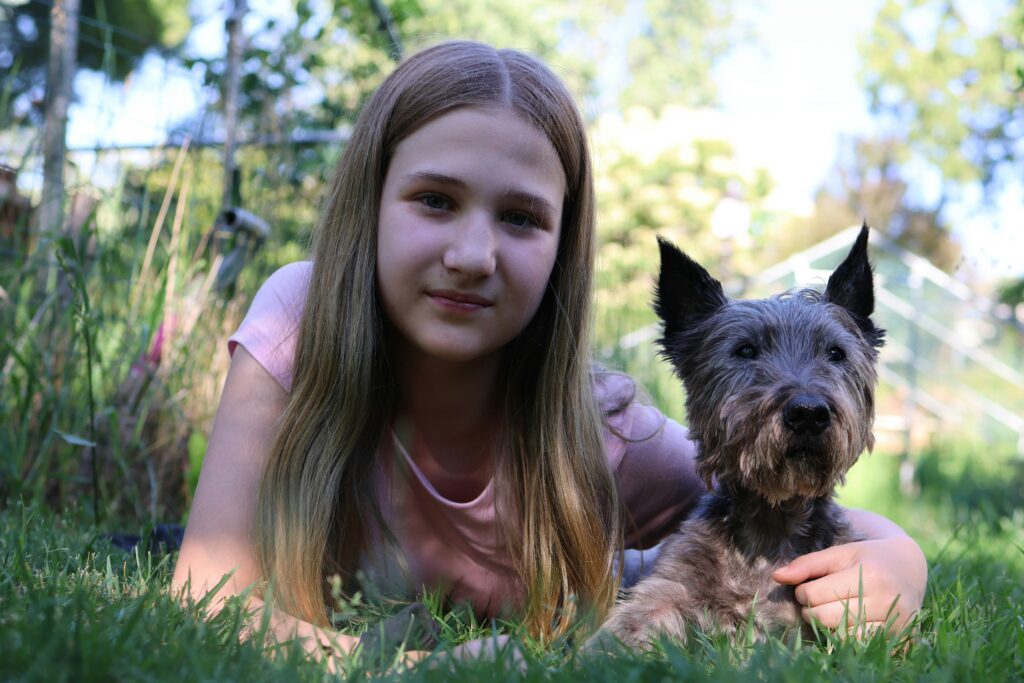
 There is something magical about watching a child bond with a pet. Whether it’s a playful puppy greeting them after school, a cat curling up beside them during homework time, or a hamster becoming their first “best friend,” pets can bring joy, companionship, and valuable life lessons into a child’s world.
Yet many parents find themselves facing the same question: Is my child actually ready for the responsibility of a pet?
It’s a question worth considering carefully because bringing a pet into your home is not just adding another family member—it’s accepting a long-term commitment that impacts everyone in the household.
Many children passionately promise they’ll feed the dog, clean the cage, walk the puppy, and handle every responsibility without complaint. Unfortunately, parents often discover that the excitement fades long before the responsibilities do.
Before you head to the pet store or animal shelter, take a realistic look at whether your child is truly prepared for pet ownership and whether your family is ready to support the commitment.
Why Pets Can Be Wonderful for Children
Pets can provide children with experiences that few other relationships offer.
Research and countless family experiences show that children often benefit from:
- Learning responsibility
- Developing empathy and compassion
- Building confidence
- Reducing stress and anxiety
- Practicing patience
- Improving communication skills
- Learning about commitment
- Experiencing unconditional love
A pet can teach lessons that no lecture from a parent ever could.
When a child realizes a living creature depends on them for food, care, and affection, they begin to understand accountability in a very real way.
However, these benefits only occur when the child is genuinely ready to participate in the care of the animal.
The Difference Between Wanting a Pet and Being Ready for One
One of the biggest mistakes parents make is confusing enthusiasm with readiness.
Many children desperately want a pet because:
- Their friends have one
- They saw one on social media
- They watched a movie featuring animals
- They think puppies stay tiny forever
- They like the idea of a pet
What they often don’t understand is the reality of pet ownership.
Pets require:
- Daily feeding
- Cleaning
- Exercise
- Grooming
- Veterinary visits
- Financial investment
- Time and attention
- Patience
A child may love the idea of cuddling a puppy but have little interest in walking it in the rain or cleaning up accidents on the carpet.
The key question isn’t whether your child wants a pet.
The real question is whether they’re willing to help care for one consistently.
Signs Your Child May Be Ready for a Pet
1. They Consistently Handle Existing Responsibilities
Before trusting a child with a living animal, look at how they manage their current responsibilities.
Ask yourself:
- Do they complete chores without constant reminders?
- Can they keep track of homework?
- Do they take care of their belongings?
- Do they follow through on commitments?
A child who struggles to remember basic daily tasks may not be ready to care for a pet independently.
Responsibility tends to transfer.
If they can consistently manage their responsibilities now, they’re more likely to manage pet-related tasks later.
2. They Understand That Pets Have Needs
Children ready for a pet recognize that animals aren’t toys.
Ask your child questions such as:
- What does a dog need every day?
- How often does a hamster’s cage need cleaning?
- What happens if a pet gets sick?
- Who will care for the pet during vacations?
Their answers can reveal whether they’re thinking realistically or simply imagining the fun parts.
Maturity often shows up in understanding that pets require care even when it isn’t convenient.
3. They Demonstrate Empathy
One of the strongest indicators of readiness is empathy.
Does your child:
- Show concern when someone is hurt?
- Care about the feelings of others?
- Treat animals gently?
- Display kindness toward younger children or elderly family members?
Children who naturally demonstrate compassion often adapt well to caring for pets because they understand the importance of meeting another living being’s needs.
4. They Are Patient
Animals don’t always behave perfectly.
Puppies chew shoes.
Cats scratch furniture.
Fish tanks need cleaning.
Birds make noise.
Children who become frustrated easily may struggle when the realities of pet ownership set in.
Patience is one of the most valuable qualities a young pet owner can possess.
5. They Have Researched the Pet
A child who truly wants a pet often becomes curious about learning more.
Have they:
- Read books about the animal?
- Watched educational videos?
- Asked thoughtful questions?
- Learned about proper care?
Interest that extends beyond simply wanting the animal often signals a deeper level of readiness.
Questions Parents Should Ask Themselves
Even if your child appears ready, parents must answer a few important questions honestly.
Who Will Really Be Responsible?
Let’s be honest.
In many families, the pet eventually becomes Mom’s responsibility.
Before bringing home an animal, ask yourself:
- If my child loses interest, am I willing to care for this pet?
- Can I afford unexpected veterinary expenses?
- Do I have time to help with pet care?
- Am I comfortable making a long-term commitment?
Because ultimately, the adult in the home is responsible for ensuring the animal receives proper care.
Can Your Family Afford a Pet?
The purchase or adoption fee is only the beginning.
Pets can require:
- Food
- Toys
- Grooming
- Vaccinations
- Preventive medications
- Veterinary emergencies
- Boarding or pet sitting
Unexpected costs can arise quickly.
Make sure the financial commitment fits comfortably within your family’s budget.
Is Your Home Appropriate?
Some pets need:
- Large yards
- Quiet environments
- Special habitats
- Temperature-controlled spaces
Choosing the right pet for your family’s lifestyle is just as important as determining whether your child is ready.
Start Small Before Going Big
If you’re unsure whether your child is prepared, consider a trial run.
You might:
- Have them care for plants
- Let them help with a relative’s pet
- Volunteer at an animal shelter together
- Pet sit for friends
- Take responsibility for feeding neighborhood chickens or farm animals
These experiences provide valuable insight into how your child handles ongoing responsibilities.
Age Matters, But Maturity Matters More
While age can be a factor, maturity is often more important.
Some ten-year-olds are incredibly responsible.
Some teenagers struggle with basic commitments.
Instead of focusing solely on age, focus on behavior.
Ask yourself:
“Has my child consistently demonstrated the responsibility required to care for another living creature?”
That answer is often more telling than their birth date.
Setting Realistic Expectations
If you decide to bring a pet into your home, establish expectations from the beginning.
Create a clear list of responsibilities.
Discuss:
- Feeding schedules
- Cleaning duties
- Walking routines
- Playtime expectations
- Veterinary appointments
When responsibilities are clearly defined, children are more likely to succeed.
Remember that guidance and supervision will still be necessary, especially during the early stages.
The Bigger Lesson
Perhaps the greatest gift a pet can offer a child isn’t responsibility.
It’s relationship.
Pets teach children that love requires effort.
That commitment matters.
That living beings deserve kindness and care.
And that sometimes showing up every day—even when it’s inconvenient—is what true responsibility looks like.
Those lessons extend far beyond pet ownership and often shape how children approach friendships, family relationships, careers, and life itself.
Final Thoughts
Bringing a pet into your home can be one of the most rewarding decisions your family ever makes—but only when everyone is prepared for the responsibility.
Before saying yes to the puppy, kitten, rabbit, or hamster your child has been begging for, take time to evaluate their readiness honestly.
The goal isn’t simply to make a child happy.
The goal is to ensure a living animal enters a home where it will be loved, cared for, and valued for years to come.
Because the best pet-parent relationships aren’t built on excitement alone.
They’re built on responsibility, commitment, compassion, and love.Discover more from Connected Woman Magazine
Subscribe to get the latest posts sent to your email.