
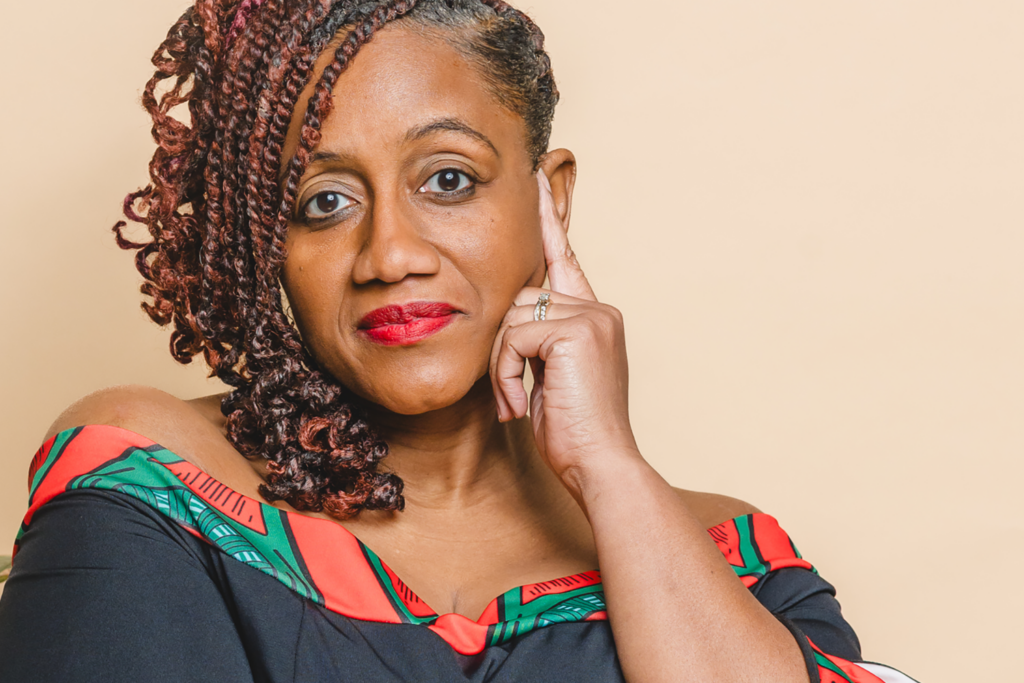
 For many women, being told their pain is “normal” becomes a dangerous delay between suffering and survival. For Fawn Walker-Montgomery, that delay lasted more than two decades. A stage 4 endometriosis survivor and CEO of Take Action Advocacy Group (TAAG), Fawn has spent years advocating for others while simultaneously fighting one of the most personal battles of her own: the fight to be heard, believed, and properly cared for as a Black woman navigating a healthcare system that too often dismisses women’s pain as “all in their head.”
In this powerful conversation, Fawn opens up about the emotional, physical, and mental toll of battling for a diagnosis in a system that frequently overlooks Black women, the dangerous normalization of women’s pain, and the importance of self-advocacy in healthcare spaces. She also shares insight into her new book, Healing in the Fight, which encourages women to stop “staying strong in silence” and start demanding the care, compassion, and answers they deserve. Through culturally grounded healing, truth-telling, and unwavering advocacy, Fawn is helping women reclaim not only their health, but also their voices. Let’s meet her…
You’ve shared that for nearly two decades, many doctors dismissed your symptoms as being “in your head.” Looking back now, what emotional and physical toll did that level of medical dismissal take on you as a Black woman navigating chronic pain?
In my book Healing In The Fight: A Black Woman’s Journey With Endometriosis and Radical Self-Care I talked about how this showed up for me being a Black woman and longtime community organizer advocating for racial injustice. Specifically, I became almost like a robot. Emotionally, I built up a wall to protect myself, gained trust issues, had trouble connecting with people for fear they would not listen, became chronically strong, and neglected myself. I was in constant pain and felt like none of the doctors were listening. I started to believe that this was something I was meant to go through. I leaned into the strong Black woman image, becoming a high achiever while neglecting myself. I would be in pain organizing and leading protests. Additionally, I internalized white supremacy and an unhealthy way of thinking about rest and productivity. When I was fighting and working, people listened so I leaned into that. It also affected me physically. I was misdiagnosed with various stomach issues and took a high amount of antibiotics and pain pills that led to other conditions such as UTI’s and inflammation. I also grew resistant to antibiotics. The pain pills led to inflammation, which triggered the endometriosis to spread etc. At one time, I was taking 5-10 Tylenol a day. The doctors failed to tell me how serious and chronic endometriosis was, which caused it to spread throughout my body. I was diagnosed at the age of 25, but, in my opinion, medical racism delayed the correct treatment. I was a public person on the news for advocating, and doctors would often say, “oh I know you’re strong you got this, you’re famous and strong”. The dismissal of my pain also led to me having a hysterectomy and going into medical menopause before the age of 45. This affected me both physically and mentally. I had to forgive myself and use holistic care for healing.
Endometriosis is often described as an “invisible illness,” and many women are conditioned to normalize severe pain. Why do you believe society and even parts of the medical system continue to minimize women’s suffering, particularly reproductive pain?
In my opinion, the isms of sexism and racism are the main causes behind this, especially in America. Due to patriarchy, women have always been left behind and at times, ignored. Being taught to be quiet about our pain and support the men while neglecting ourselves. It also connects back to control over women’s bodies, especially reproductively. That’s why we find ourselves in a battle for abortion rights in 2026. Even though endometriosis is not a reproductive disease, it has been labeled that due to patriarchy and a lack of research. For Black women, this is worse. We’re often told to “suck it up”, “fake it till you make it,” or pushed to be strong. This is even believed by some doctors. The theory that Black women can take pain is rooted in racism and started by Marion Sims, A white male doctor who experimented on enslaved Black women by doing medical procedures without anesthesia etc. His teachings are still prevalent in the medical field and continue to affect Black women.
Your story highlights how dangerous delayed diagnosis can be. What do you think are some of the biggest systemic failures within healthcare that continue to prevent Black women from receiving timely and compassionate care?
In my opinion, medical racism is the major reason for this. Online, I saw a Black woman say that doctors are to Black women what police are to Black men. That stuck with me. I have had to fight for doctors to believe me and literally had to save my own life. This is a recurring story for so many Black women that goes back to our ancestors. People like Fannie Lou Hamer and so many others had to have, at times, medically forced hysterectomies. Additionally, the racist teachings of people like Marion Sims still linger in the medical field. Moreover, there is a lack of research on Black women due to mistrust and past medical experiments on Black people.
As a stage 4 endometriosis survivor, was there ever a moment when you felt yourself losing hope during your diagnostic journey? What kept you fighting to be heard when so many professionals dismissed your reality?
Yes, I often felt like giving up, and in a way I did. Specifically, I gave up on fighting for myself in a holistic way. I did ask questions, go to doctors’ appointments, and advocate. However, I neglected my pain and wore it like a badge of honor of being a strong Black woman. I neglected my physical and mental health. In my book, I talk about how my daughter, family, and ancestors kept me fighting. Additionally, when I was at my lowest, being suicidal, my ancestors called out to me to sit in stillness, rest, and focus inward. This helped me to keep fighting and recognize the power within. I wanted to show my daughter a different way of fighting that involved self-love. Healing myself will heal her and generations to come.
You are the CEO of TAAG, an organization rooted in advocacy and action. How did your personal health journey deepen or reshape your understanding of advocacy work, especially for marginalized communities?
My health journey reshaped my advocacy in a meaningful way. For me, I had to do a lot of unlearning around whiteness. I had internalized white supremacy around being productive, writing, eating, and my body. I used to work myself almost to death and did a lot of people pleasing. I was highly accomplished on the outside but dying on the inside. I lost my ability to dream and even imagine. I spent years fighting racism, and it took a toll. This also showed up in my writing. As a youth, I wrote for my school newspaper and often did poetry. The older I got, I traded this for writing grants and moved away from everything else due to critiques that my writing was too radical. This affected the way I thought about my writing and myself. Other ways it showed up were not eating foods that would help my health. I was always on the go, so fast food and candy became common. I relied heavily on Western methods like pain pills and testing. Unlearning helped me to reconnect with the ways of my ancestors. I started to use water (baths), air (breathwork), and using food as medicine. I began to see that my relationships were tied to my labor. I turned the love for my community inward and became soft with myself. This, in turn, led to me being soft with others. I became a transformative organizer focused on helping people see their own power and have a deeper level of consciousness. My organization now uses yoga, meditation and conducts wellness sessions in the community for healing.
Your new book, Healing in the Fight, encourages women to stop “staying strong in silence.” Why do you think silence and survival mode have become so normalized among women, especially Black women?
To me, when Black women are fighting and being strong, people listen. It’s natural to want these things. So, in turn, we lean into this to feel heard, accepted, and valued by others. You see this a lot with politics and community organizing. Black women are often expected to step up and heal the community as well as their families.
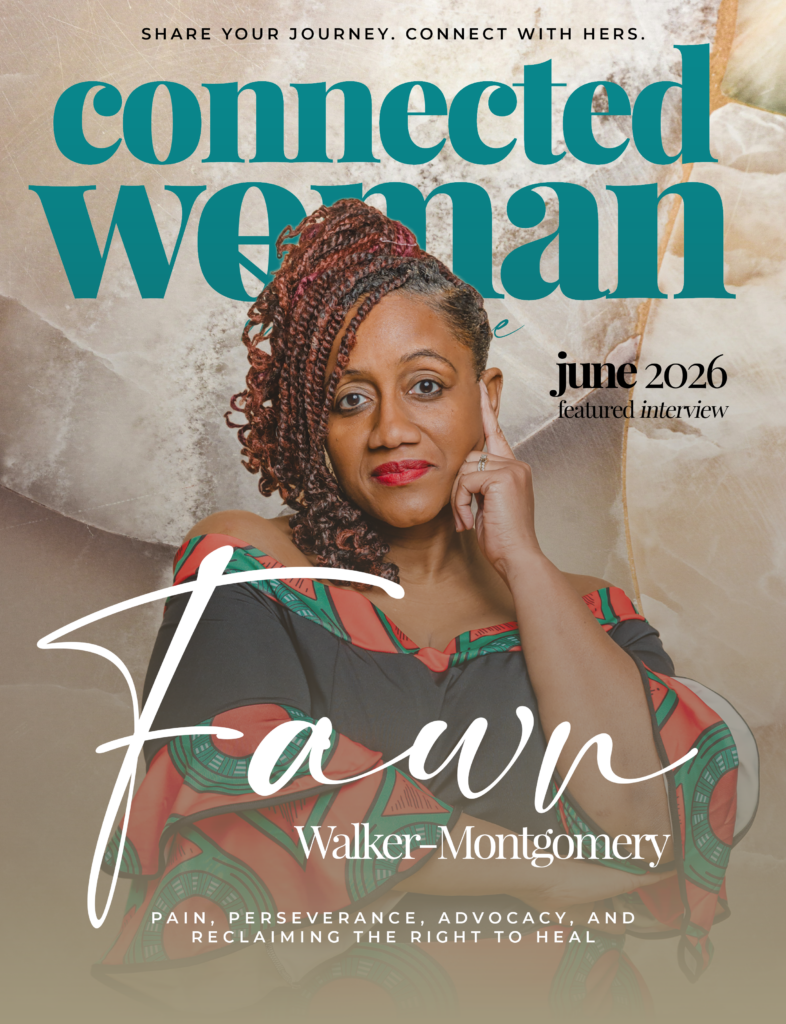 In many communities, Black women are often praised for resilience and strength, even when that strength comes at the expense of their health. How do we begin redefining what strength truly looks like?
I think we have to look inward for this and recognize that Black women and people are not a monolith. We don’t all think or act alike, and that’s ok. Moreover, as a culture, we must deal with how we have internalized whiteness and reconnect with the ways of our ancestors. Whiteness is embedded into our daily lives and shows up in our religion and self-perceptions. Unlearning this will help us redefine how we look at strength.
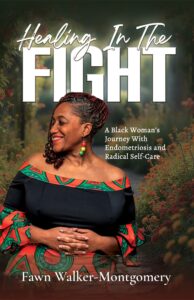 What conversations do you hope Healing in the Fight sparks between women and their healthcare providers, particularly around self-advocacy, boundaries, and demanding better treatment?
I hope that the book pushes women to challenge their doctors and understand the power of advocacy. I hope they take journals to all appointments, read their charts, Google terms to understand for themselves, ask questions, and demand to be heard. I hope they switch doctors when needed and become their own advocate. I hope they understand they advocate to make doctors do their damn jobs! I can truly say that if I didn’t advocate, I would not be here today.
Many women struggle to know when their symptoms are “serious enough” to seek help. What are some signs women should stop dismissing or pushing through when it comes to chronic pain and reproductive health?
I think one has to truly be in tune with their body to recognize when things are not right. This does not happen unless you “unlearn” the conditioning that whiteness has had on your body. Therefore, the first step to this is unlearning and sitting in stillness. Once you do this, it’s easier to recognize that debilitating pain, even during your menstrual cycle, taking pain pills daily, constant leg pain and headaches are not normal. In addition, anxiety, depression, and anger should not be the norm, especially for Black women. I also want to add that endometriosis is not a reproductive disease. It’s a full body disease that can affect your nervous system.
You’ve spoken openly about reclaiming your body and your narrative. What did healing emotionally and mentally look like for you beyond the medical procedures and diagnoses?
For me, this looked like sitting in stillness to hear from my ancestors. During my worst times, I would often take long baths, get into certain fiddle positions, drink tea, take deep breaths, and use heat for my pain. I had no idea at the time but these are the ways of our ancestors. Specifically, using the elements of fire, air, and water to heal. In addition, using food as medicine, meditation, and yoga. The misdiagnosis and doctors’ ignoring my pain led to me having to make the difficult decision to have a hysterectomy. I had to forgive myself for this and for ignoring Fawn. During the surgery, I almost died, and an abscess exploded. I believe a portal of healing opened up, and I walked through it to a higher level of consciousness. This took me down a journey of reconnecting with my ancestors and becoming a practitioner of African spirituality. I started to use yoga, meditation, and got certified in breathwork and wellness detox coaching. I changed the way I eat, implemented boundaries, and practiced radical self care. I still go to the doctor’s. I just don’t focus solely on Western medicine.
What role does cultural understanding and representation play in healthcare, and why is it important for Black women to feel seen and understood by the professionals caring for them?
This plays a huge role in being culturally competent with medical care. Medical professionals need to recognize their own biases so they don’t continue the harm of medical racism, especially against Black women. We see this with various chronic conditions and Black maternal health. Training and the approach towards medical research also affect this. I often question whether doctors receive racial sensitivity and implicit bias training. Doing research from a community based standpoint will also help with acceptance and participation. Additionally, medical professionals recognizing the value of more natural and holistic approaches. Culturally Black people listen to family elders and leaders about their health. Moreover, we’re starting to see the value of using food as medicine. Recognizing this will help Black women feel heard and understood.
For women who feel intimidated by doctors, overwhelmed by the healthcare system, or afraid of not being believed, what practical advice would you give them about advocating for themselves effectively?
First, I would say make sure you do the inner work to truly understand your power. This looks different for everyone. It can be breathing, being good to yourself, or stillness. Find what works best for you. This will help you keep pushing when you feel like giving up. Additionally, do grounding before every appointment. Once again, do whatever works best for you i.e., prayer, laughing, or silence. Maintain a notebook with all questions, past appointment information and doctor’s names. Take a buddy with you if possible, and something you can touch to feel grounded if you start to feel nervous. I meditate before appointments, go to my altar wall, and wear my grandmother’s ring to stay close to my ancestors. If you have questions before an appointment, ask others who have gone through it before asking your doctor. Support groups have saved me from doing various medical procedures that could have been harmful. Also, read and know your medical chart. Use sites like WebMD and others to gain a full understanding of all medical terms. Write down questions in advance and practice them out loud as well. I call this an individualized medical advocacy plan. It takes time but you’re worth it!
Your work combines advocacy with education and empowerment. What culturally grounded healing practices, routines, or support systems do you believe can help women care for themselves while navigating chronic illness?
Practices rooted in African spirituality and ancestral healing. For instance, yoga, meditation, breathwork, spiritual healing baths, nature walks, prayer, and using food as medicine. Using castor oil, tea, and other foods for healing. These things are not “woo woo”; they come from our ancestors and at times have been colonized by white people.
How has your journey changed your understanding of womanhood, identity, and self-worth, especially after spending years fighting for validation and proper care?
This has pushed me to understand that my self-worth and how I think about myself start from within. I often speak about having a deeper level of consciousness in my healing. What I mean is that no one is going to fight for you as you will. You must find the validation within. Your identity can’t be shaped by your work or by others. I was able to find inner peace through African spiritual practices.
When women read Healing in the Fight, what do you hope they walk away believing about themselves, their voices, and their right to receive compassionate, high-quality healthcare?
I hope they walk away understanding that NO ONE will fight for them like themselves. No one is coming to save you so save yourself. Ask questions, advocate, and seek other options outside of Western medicine, especially for Black women.
How can our readers connect with you?
Web: https://www.fawnwalker.net/
IG/Threads: fawn_montgomery