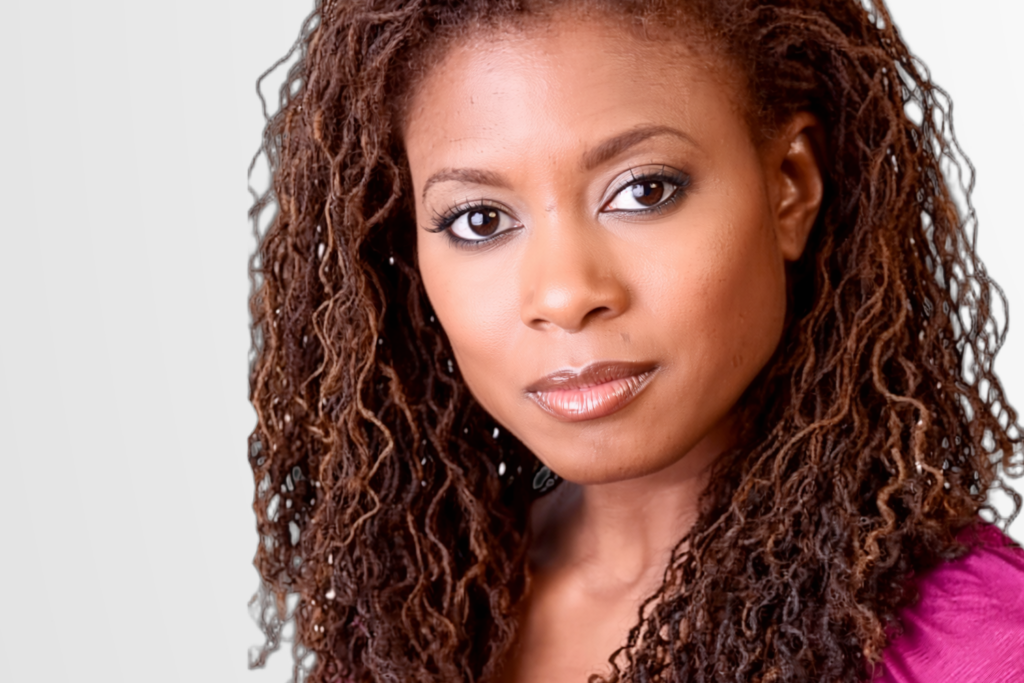
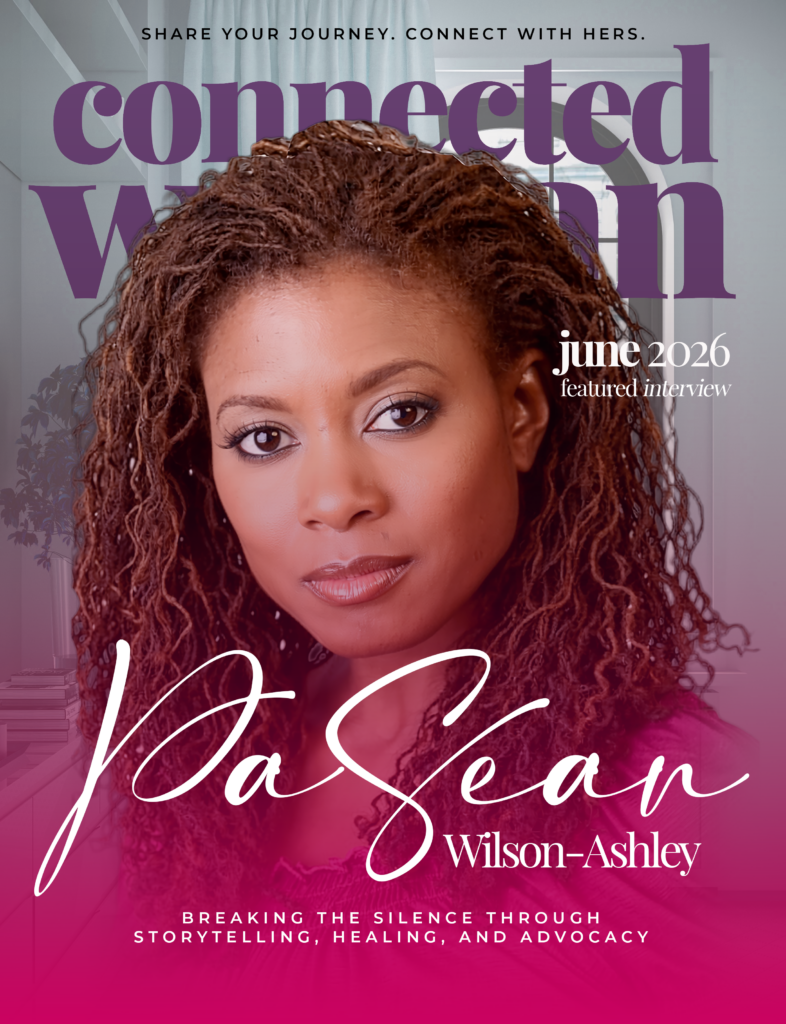
 For countless women, uterine fibroids are more than a medical condition. They are a painful, life-altering experience often accompanied by silence, dismissal, fear, and frustration. Through her groundbreaking multimedia project The F Word: Fibroid Stories, PaSean Wilson-Ashley has helped bring those deeply personal experiences into the light through storytelling, advocacy, education, and community. From her documentary film screenings to her powerful podcast conversations with patients, physicians, researchers, and public figures, Wilson-Ashley has created a platform that validates women’s experiences while encouraging them to advocate for their health and healing.
In this interview, she opens up about balancing the emotional weight of hearing women’s stories while creating work rooted in empowerment rather than fear, the importance of building supportive communities for “fibroid fighters,” and how spirituality, breathwork, and meaningful connections helped sustain her throughout the process. She also discusses the healthcare disparities impacting Black women, the transformative power of storytelling, and why no woman should have to suffer in silence while fighting to be heard. Let’s meet her…
Your work through The F Word: Fibroid Stories has created space for conversations that many women, especially Black women, have felt forced to navigate in silence. What first inspired you to turn the topic of uterine fibroids into a storytelling and advocacy platform?
For those who may not know, uterine fibroids are non-cancerous growths with no clearly identified cause. The majority of women will develop fibroids at some point in their lives, with Black women being disproportionately affected. For many, fibroids can lead to years of physical and emotional hardship, including debilitating menstrual cycles, miscarriages, chronic pain, life-threatening anemia, challenges with intimacy, and other serious health complications.
My medical journey began prior to my myomectomy, a surgery that removes the fibroids, when my fibroids caused such severe pain that I was taken to the emergency room. After consulting with a gynecologist, a white male physician, I was strongly advised to undergo a hysterectomy, despite still being in my childbearing years. I believed there had to be other options — and another gynecologist. That experience inspired me to research more deeply, educate myself, and bring together a diverse community of women impacted by fibroids, along with others committed to helping address this serious health issue.
Fibroids disproportionately impact Black women, yet many still struggle to receive timely diagnoses, proper treatment, or even validation of their pain. In your experience, what are some of the biggest gaps in awareness and healthcare that continues to concern you the most?
There’s so much to unpack here. I once had a white doctor imply that I was “tough” and would simply be okay. Why do some doctors view white female patients as delicate and deserving of proper medical attention, while Black women are expected to endure and absorb serious health conditions? Clearly, structural racism within medical education, along with personal prejudice, has contributed to this harmful ideology and disturbing behavior.
It’s important that we call out this behavior when we see it. I appreciate how Congresswoman Summer Lee directly addressed the Secretary of Health and Human Services regarding health and maternal disparities.
As we continue to speak out and share our stories, we are also building communities such as my podcast, F Word: Fibroid Stories, We Can Wear White — an organization dedicated to fighting fibroids — and the National Birth Equity Collaborative, along with many others that empower women with resources and strategies to outmaneuver inequitable access to quality healthcare.
As a filmmaker and producer, how did you balance the emotional weight of these stories while also creating a project that educates, empowers, and encourages action rather than fear?
Whoa, let me take a breath. That’s such an important question. I’ve strengthened my
breathwork practice over time, so while hearing those stories could be emotional, I was usually able to remain calm and present so the interviewees felt comfortable sharing their experiences.
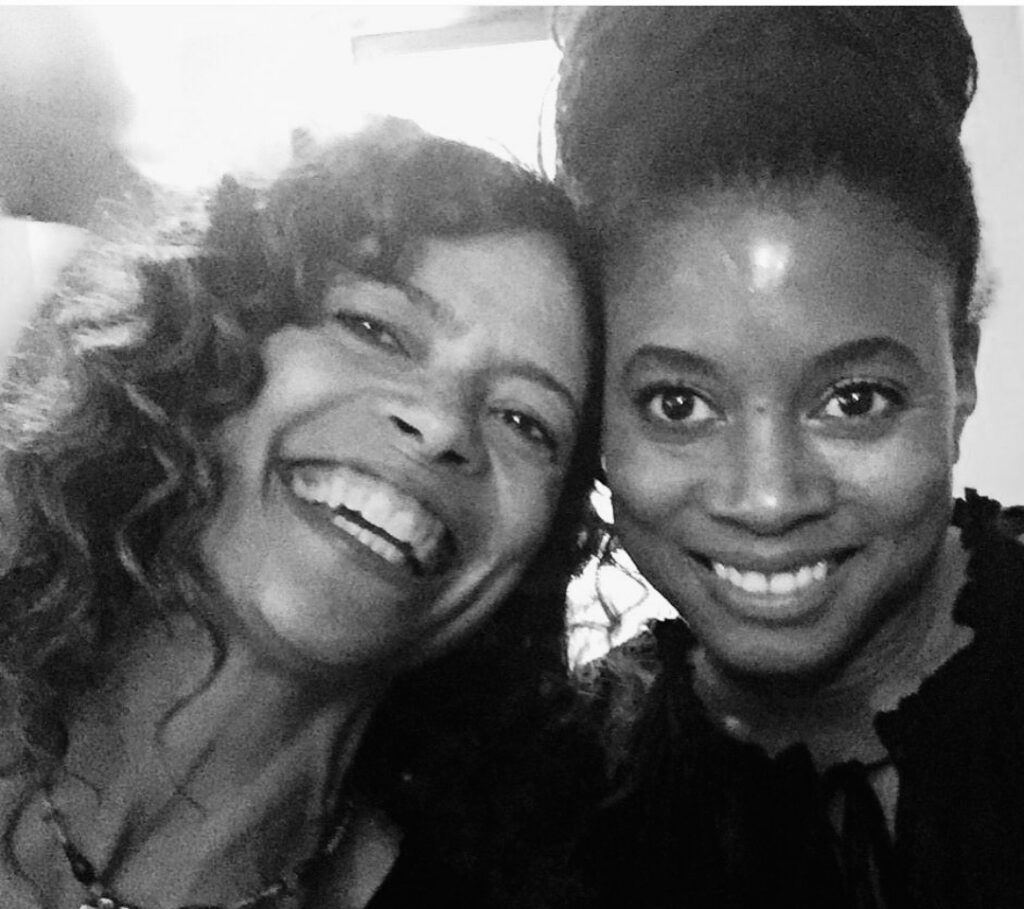
In addition, I began building a community of fibroid fighters where we could release our emotions, support one another, and encourage advocacy. Interestingly, some people in my community were not fibroid sufferers themselves. For example, my dear friend, acclaimed actress Erica Gimpel from the television series Fame and God Friended Me, doesn’t have fibroids but has been a great supporter of my work. She encouraged me to lean into my spirituality, which helped me feel rejuvenated and lighter throughout the process.
When you’re dealing with heavy material, having a strong support system really makes a difference.
The F Word documentary has sparked important conversations at film festivals and beyond. Were there any audience reactions, testimonies, or moments after screenings that deeply stayed with you or affirmed the importance of this work?
Yes, The F Word: Fibroid Stories came before the podcast of the same name. After one of my early screenings of the documentary in New York City, a woman approached me who had struggled with fibroids herself.
She shared that the audience discussion about fibroids was emotionally difficult for her because it brought back memories of a traumatic childbirth experience. Due to complications caused by fibroid blockage, she had sadly lost her baby.
As she began to cry, I gently hugged her, and we exchanged contact information so I could be part of her support system. Although she has always been a fairly private person, over time she started opening up more to those closest to her about the pain and grief she had been carrying. She also began therapy, which became an important part of her healing journey.
Eventually, she decided to try to conceive again, making sure to have the fibroids removed beforehand. Happily, she and her partner later welcomed a healthy baby boy into the world. That experience reminded me that we truly are our sisters’ keepers.
Through your podcast and film, you’ve spoken with patients, physicians, researchers, and public figures. What common emotional themes or experiences have you noticed repeatedly surfacing among women living with fibroids?
I constantly hear from women that their ailments were improperly diagnosis and their doctors, generally who were men, tried to silence them from asking in-depth questions. When I spoke to renowned gynecologist, Dr. Stanley West, author of The Hysterectomy Hoax, he shared with me that a true physician should welcome proper inquisitory questions from a patient about her medical health, treatment prescribed and even feedback on areas in which there should be improvements.
This sentiment was also echoed by Toni Ringgold, a Miami-based commercial actress, who follows my Instagram: @fworddocumentary, due to its strong pro-women stance and health consciousness. “My health is too important for me to have a doctor who does not listen to my thoughts and feelings. I need an open dialogue in which we treat each other with respect as human beings. If this cannot occur, then I need a new doctor.”
As per experiences, women, who suffer from fibroids, have noted a harsh menstrual cycle wreaking havoc on their bodies. The exact way fibroids affect the cycle depends on their size and location. Many women also report significantly heavier and prolong bleeding.
Alarmingly, menstrual blood clots are a direct result of heavy pooling of blood caused by fibroids.
More women expressed severe cramping and pelvic pressure. For me, the pelvic pain pressured my nearby organs, which cause intense lower back pain. I too – like many women – had bloating in spite of frequent urination throughout the menstrual period.
Many women with fibroids describe feelings of isolation, frustration, and even shame surrounding their reproductive health journeys. Why do you believe these conversations have historically been so difficult for women to openly discuss?
There is persistent messaging throughout society that teaches girls to be “good girls” and suggests it is not “ladylike” to openly discuss their vaginas or menstrual cycles in public. I have even witnessed women discreetly hiding the purchase of tampons. The irony is profound, as these are the very bodies capable of creating life.
These damaging messages often intensify for Black girls entering adolescence, as society projects harmful stereotypes that they must prepare to become “Strong Black Women” while simultaneously showing less care and compassion toward them. They are still children and deserve the opportunity to transition gradually from childhood into womanhood, just as their white counterparts are often allowed to do.
Challenging and breaking away from these stereotypical ideologies empowers young women and women alike, giving them greater freedom to express themselves authentically. It also creates space for more honest conversations surrounding women’s health, emotional well-being, and self-worth without fear of judgment or embarrassment.
Even as women gain more space to express themselves and build supportive communities, the word “shame” remains powerful because it directly reflects feelings many women continue to carry internally. For example, Ghana Wilson, a producer of The F Word:Fibroid Stories, publicly shared her experience of suffering a miscarriage due to fibroids. In media interviews, she spoke candidly about the intrusive thoughts she faced, questioning whether she was “good enough” to conceive and wondering what it meant to be a woman if she could not have a biological child. Through journaling and counseling, she eventually came to recognize that she was already a whole, worthy, and complete person. That personal healing journey ultimately inspired her to lend her voice and talents to this project.
It is also important to acknowledge that the physical and emotional changes associated with periods, fibroids, and miscarriages can diminish a woman’s sense of confidence and negatively affect her self-esteem. For many women, these experiences may create feelings of isolation, anxiety, or frustration, particularly when society places unrealistic expectations on women’s bodies and reproductive health. Open dialogue, compassionate support systems, and greater public understanding are essential in helping women feel seen, valued, and supported throughout these deeply personal experiences.
Your work explores not only physical health but also self-worth, identity, and womanhood. How can chronic health challenges like fibroids affect a woman emotionally, mentally, professionally, and relationally in ways people may not fully understand?
Many of the examples and experiences I’ve shared throughout this interview overlap with other areas, but you’re asking specifically about chronic illness. It isn’t going away — so you have to learn how to recognize it and adapt.
For me and the other women I interviewed, this meant allowing extra time to get ready for work and events. I started getting ready about an hour earlier, giving my body and mind a cushion. Being organized helps, and setting priorities is key — your body can only do so much. Positive self-talk matters too. I say it out loud: “You can do this, PaSean.”
One area I haven’t spotlighted yet is sexual relationships. With fibroids, physical pain and hormonal changes are real. Many women report pain during penetration when fibroids grow near the cervix, and vigorous intercourse can cause sharp pain and lingering discomfort. I encourage women to have honest conversations with their partners — particularly men — who may need education about fibroids: what they look like, how large they can grow, and what that means for their partner’s experience.
There’s also an erroneous notion that women with fibroids simply stop caring about their physical appearance and give up on exercise. It’s true that ongoing pain makes exercise difficult, and some days you just can’t do it. I was extremely active before my diagnosis — spin and dance classes, lifting weights, long trail hikes — and I had to figure out my new normal. The intense classes had to go. I shifted to lighter weights at home and, during flare-ups, gentle mindful walks. Physicians generally encourage walking; movement is essential to getting healthier. Happily, after my myomectomy, I returned to hiking — shortening the trail on tougher days. I still do mindful walks almost daily to release stress, and for good reason: research shows stress can trigger fibroid growth. On Instagram, you’ll often see me use #LessStress.
Storytelling can often reach people in ways statistics and medical reports cannot. What role do you believe film, media, and personal storytelling play in transforming public understanding around women’s health issues?
Before we can get into storytelling, it is important to understand that statistics and data are essential in advocacy — particularly when seeking grants and supporting legislation.
Research shows that between 70% and 80% of all women will develop uterine fibroids by age 50, though rates vary significantly by race. The University of Michigan Medical School reports that Black women are disproportionately impacted, experiencing fibroids roughly three times more often than white women, with more severe symptoms, earlier onset, and higher rates of recurrence and complications. According to current estimates, nearly a quarter of Black women ages 18 to 30 have fibroids, compared to approximately 6% of white women — and by age 35, that number rises to 60% among Black women.
Statistics and documentation establish the facts, but they do not tell the full story. Storytelling fills that gap. When a woman shares her experience in her own words, viewers do not just learn about the issue — they feel it. They hear her testimony, her suffering, and the emotion behind the data. Storytelling — often unscripted and deeply personal — cuts through abstraction, makes the issue tangible, and has the power to shift perspectives and build genuine empathy.
When we talk about fibroids, and a woman shares that she had 30 or even 50 of them, it can be difficult to comprehend. But when we hear her story — her struggles, her surgeries, her loss — it becomes real. She may describe years of being told her pain was normal, of planning her life around her symptoms, or of facing difficult decisions about her fertility and her future. That is the moment a viewer thinks, “This could be my sister, my mother, or me.” And that recognition is where awareness turns into being an ally to the cause.
You’ve collaborated with medical professionals and researchers while also centering lived experiences. How important is it for advocacy work to bridge both scientific knowledge and personal testimony when addressing conditions like fibroids?
Peeling back the layers of gynecologists’ perspectives and their approach to fibroids has been an eye-opening experience. A hysterectomy — the surgical removal of the uterus — can be an easier, faster, and less complicated procedure for a surgeon than a myomectomy, and it guarantees fibroids will never return. Historically, if a patient was over forty or not interested in conceiving, the traditional medical viewpoint — one largely shaped by men — pushed for a hysterectomy.
Through greater awareness and research, there is now growing acknowledgment that the uterus serves a purpose beyond childbearing — particularly significant given that hysterectomies have been linked to cardiovascular disease. Women should be given the option of a myomectomy, as well as uterine fibroid embolization, a minimally invasive procedure that cuts off blood supply to shrink fibroids. Many advocates and medical professionals also seek to preserve the body’s nerve integrity, which includes keeping the uterus, as women have reported that it plays a role in uterine contractions that deepen the sensation of orgasms — a conversation historically difficult for male-dominated medical fields to engage with. The contemporary approach must prioritize patient-centered treatment and thorough discussion of all options.
On my podcast, I have bridged the gap between medical and holistic treatments. A long-time vegan, I am a firm believer in diet and health consciousness. Research has linked certain foods to increased fibroid risk, accelerated growth, and worsened symptoms — including red and processed meats, refined carbohydrates, and added sugars and high fructose corn syrup.
As many of my friends know, I am also a committed green tea drinker. Johns Hopkins’ School of Medicine has highlighted clinical studies on green tea extract and its ability to reduce fibroid volume. Speaking of herbs, my health journey has also connected me with amazing herbalists, including Eshe Faizah — known as Dr. Herb Sistah — who use specific plant compounds to manage symptoms and target the hormonal imbalances that fuel fibroid growth.
My platform exists as a go-to space for women to make informed choices about their bodies. Whether that means exploring holistic options, pursuing a myomectomy, or choosing a hysterectomy — even under 40 and within childbearing years — it is their body and their choice. Give women the information, and let them decide.
In creating The F Word: Fibroid Stories, what were some of the most challenging conversations or truths you personally had to confront about healthcare disparities affecting Black women?
Black women face widespread disparities across the country, including higher mortality rates and disproportionate rates of chronic diseases such as fibroids and cardiovascular conditions. Heart disease claims the lives of over 50,000 Black women every year, Black women over 55 are twice as likely to develop diabetes, and they face higher mortality rates from aggressive cancers. These sobering numbers make clear that the health outcomes Black women experience are not the result of biology — but of a system rooted in structural inequalities, unequal access to care, and implicit bias that has consistently failed them.
A significant part of that failure comes down to access. A notable percentage of Black women lack health insurance, limiting their ability to seek timely and consistent care. Chronic stress from systemic racism accelerates biological aging and weakens overall health, making Black women more susceptible to illness. Furthermore, medical professionals frequently overlook or downplay Black women’s symptoms, falsely perceiving their pain tolerance as higher due to harmful myths about physical resilience. In fact, nearly a quarter of Black women have been refused necessary pain medication due to racial bias — a stark example of the systemic dismissal Black women continue to face in healthcare settings.
All of the above has been deeply troubling to research and hear people speak to me about. Yet what shook me to my core was learning how profoundly these inequalities impact Black women during pregnancy. Black women are 50% more likely to receive late or no prenatal care, and the dangers they face during childbirth leave their infants more vulnerable as well. Black infants are more than twice as likely to die within their first year of life. Black mothers are equally at risk: the cases of Amber Rose Isaac, who died following a C-section after repeatedly voicing concerns about her medical care, and Dr.
Shalon Irving, who died weeks after giving birth despite communicating her health concerns to her medical team, are devastating examples of the disparities in care that Black women continue to face.
 Women are often encouraged to “push through” pain or normalize symptoms that may actually signal serious health concerns. What message would you give to women who have been dismissed, unheard, or conditioned to minimize them suffering?
If you are a woman who has ever been dismissed, minimized, or had your symptoms misdiagnosed as emotional or anxiety-related, you may have experienced what is known as medical gaslighting. This painful experience can lead you to doubt your own body, pushing through discomfort and pain without receiving the care you truly deserve. Sadly, this dismissiveness does not always stop at the doctor’s office. How often have you heard a man brush off severe menstrual cramps with “It’s just that time of the month”? You deserve to be taken seriously — in every space. On a personal level, fostering better dialogue with the men in your life may help them develop a deeper understanding of your health. And if that understanding is not met with respect, it is okay to set boundaries.
You deserve a medical team that makes you feel heard, safe, and respected. Open communication and mutual trust are not optional — they are necessities. As I have said before, do not hesitate to change doctors if you need to. With the right doctor, you should receive a prompt and accurate diagnosis, and a thoughtful treatment plan tailored to your needs — one that takes your pain seriously and may include adequate pain medication.
You deserve nothing less.
Your projects create both awareness and community. How have you seen connection and shared storytelling help women reclaim their voices, advocate for themselves, and feel less alone in their journeys?
All women must come together in a spirit of sisterhood to uplift and support one another. One of my personal heroes, Gloria Steinem, rejects the notion that women, particularly white women in corporate and political spaces, can overlook the ways they have benefited from the women’s movement, much of whose foundation was built by Black women. She famously stated, “There is no such thing as white feminism. If you call it white, it’s not feminism. It either includes all women, or it’s not feminism.”
Yes, fibroids disproportionately affect Black women. However, even within my documentary, white women suffering from fibroids were interviewed as well. I also reached out to Bethenny Frankel regarding her fibroid journey, which was discussed on The Real Housewives of New York City. It was important for me to acknowledge their pain and experiences in order to present a fuller understanding of what women across different backgrounds are enduring.
Women need one another now more than ever, especially as today’s political climate has increasingly attempted to challenge women’s autonomy over their own bodies. I recently watched a clip of a political roundtable consisting entirely of white male politicians discussing women’s bodies and abortion legislation. How can legislation concerning women be discussed without the inclusion of women themselves — Black women, white women, Latin women, Asian women, and Indigenous women?
While some women may prefer men to take the lead in certain spaces, it is my responsibility as a women’s advocate to emphasize why women, particularly regarding their bodies and reproductive rights, must remain the primary voices and leaders in these conversations. When women’s leadership is centered in discussions surrounding our own bodies, more women will undoubtedly feel empowered to openly share their reproductive journeys without fear, shame, or silence.
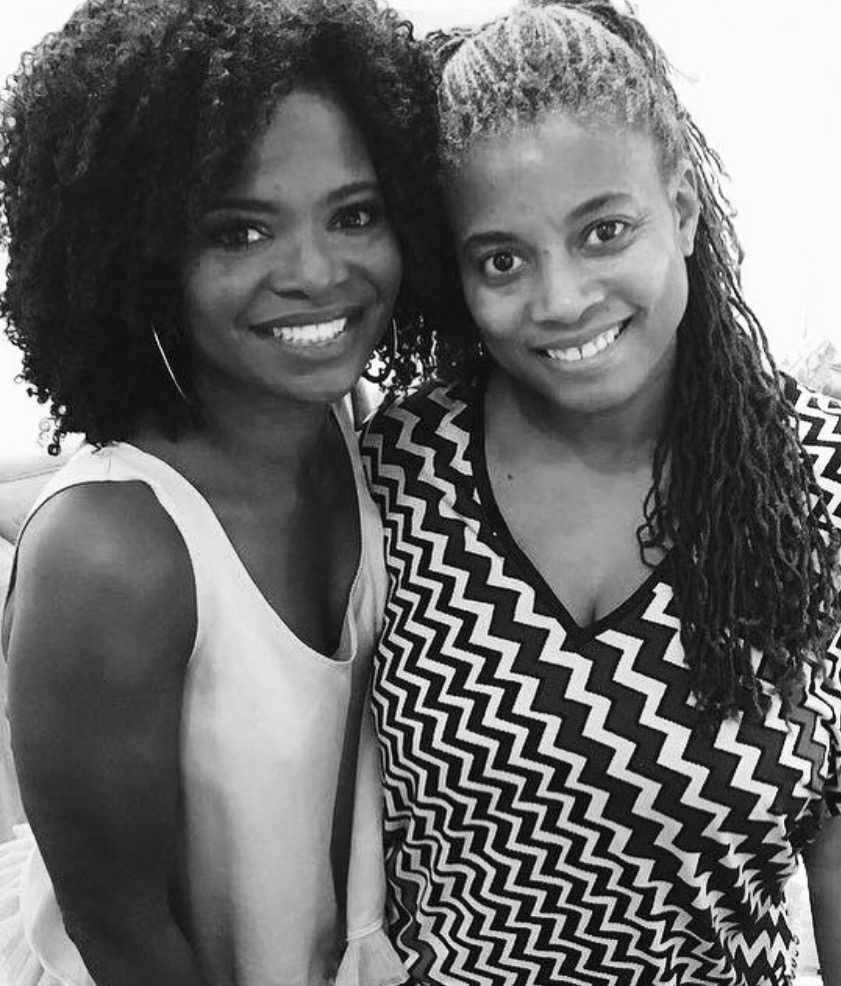
Guests like Beverly Johnson and Rhonda Ross have joined conversations connected to your platform. How important is visibility from well-known women in helping reduce stigma and expand awareness around reproductive health issues?
Stars like supermodel Beverly Johnson, LaChanze — who has won five Tony Awards — The Cheetah Girls author Deborah Gregory, and Grammy and Emmy-nominated Rhonda Ross, who also produces the podcast, create buzz for it and draw listeners in.
Most recently, my dear friend Daphnée Duplaix, star of CBS’s Beyond the Gates, sat down and did an Instagram Live to discuss fibroids, my podcast F Word: Fibroid Stories, and her own personal discovery of them.
These stars amplify marginalized voices that might otherwise go unheard, raising awareness of the fibroid epidemic so that politicians can introduce legislation supporting research and better healthcare. For example, Congresswoman Yvette D. Clarke, who represents Brooklyn, has previously introduced a bill addressing education and research funding for fibroids. Former Vice President Kamala Harris has also brought greater awareness to the issue by framing fibroids as a critical health condition deserving of more research.
Additionally, well-known women help others reject the false belief that their experience is unique to them. When women see these public figures speaking openly about fibroids, they feel seen — and are inspired to advocate for themselves, including knowing what to say and which questions to ask, especially when engaging with medical staff.
Advocacy work surrounding women’s health can be emotionally demanding. How do you personally protect your own well-being while continuously holding space for the stories, pain, and healing journeys of others?
As I have previously mentioned, I practice breathwork, mindful walks, and tapping into my spirituality — and of course, I rely on my incredible support system. They make me laugh and keep me motivated, so when I am recording my podcast, I feel open, uplifted, and able to genuinely connect with my guests.
Interestingly, some people may be surprised to learn that baking is also my form of escapism. I love getting into the kitchen and baking for myself and others. My producing partners particularly love my gluten-free, coconut sugar-sweetened vegan cupcakes.
I know what some people might be thinking — here I am speaking about liberating women and dismantling outdated concepts, and one of the things I enjoy most is baking. Well, as I have stated before, it is my body and my choices. As long as I am not being pressured into something and I have the freedom to choose, then I choose baking for my personal enjoyment.
Looking ahead, what do you hope the long-term legacy of The F Word: Fibroid Stories will be—not only for women currently battling fibroids, but for future generations of Black women.
The legacy of The F Word: Fibroid Stories lies in its power to disrupt a deeply entrenched system in which women — particularly Black women — have long been dismissed and mistreated within the medical field. It is hoped that my documentary, and now podcast, brought women together and gave them a unified platform to boldly discuss fibroids, amplify their voices to the medical world, and advocate for transformative legislation to accelerate research and, ultimately, find a cure.
One day, I hope to be a senior citizen when a young woman approaches me and tells me she discovered my work through her mother — and that I was one of the reasons our society finally transformed its healthcare system for women, especially Black women.
How can our readers connect with you?
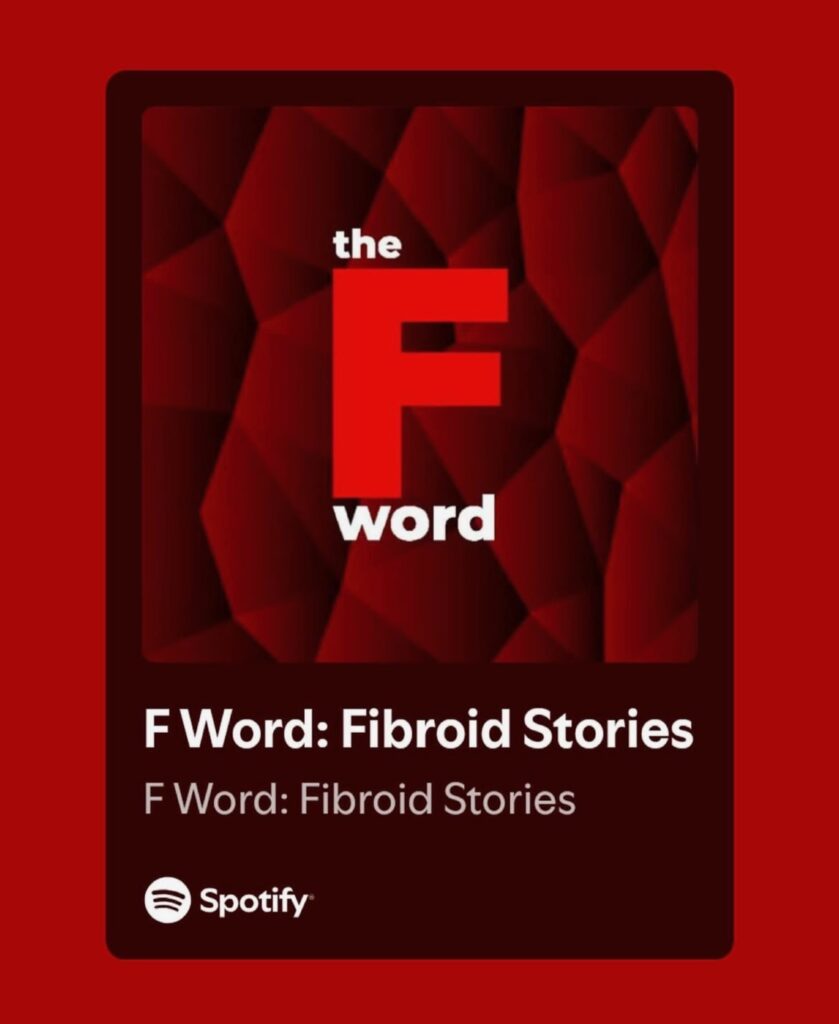
Spotify:
F Word: Fibroid Stories
Instagram:
@fworddocumentary
https://www.instagram.com/fworddocumentary?utm_source=qr
Facebook:
The F Word
https://www.facebook.com/people/The-F-Word/100048109425808/
YouTube:
The F Word: Fibroid Stories
https://www.youtube.com/watch?v=xXavB5Xjs18