
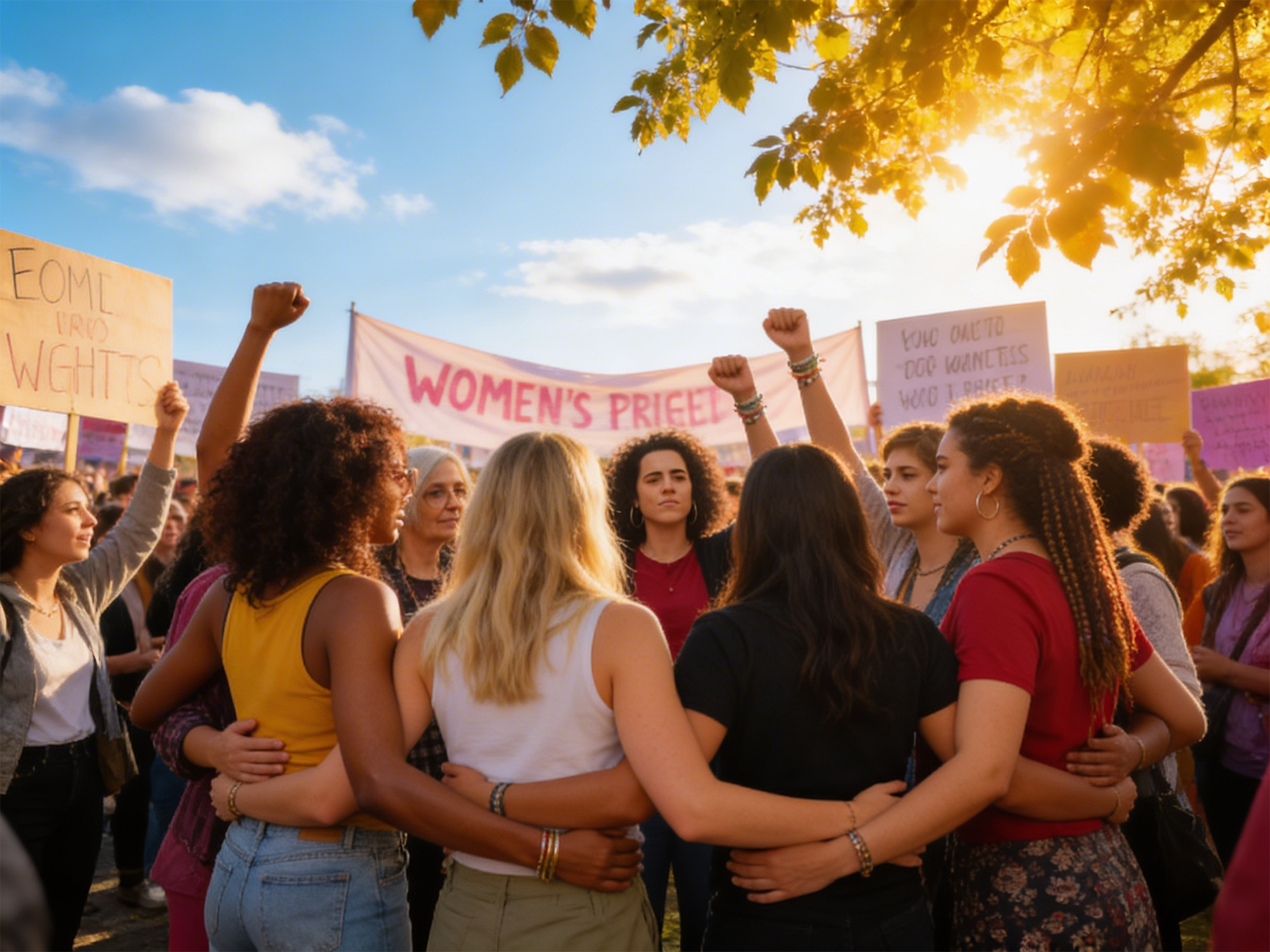
 Women’s History Month is a time of reflection, celebration, and truth-telling. It is a moment when we honor the women who marched, protested, organized, and advocated for rights many people today take for granted. The right to vote, access to education, protections in the workplace, and opportunities for leadership were not simply granted to women—they were fought for.
Yet the story of women’s progress is far from finished.
Across the world and within our own communities, women continue to face systemic barriers that challenge their safety, autonomy, health, and economic security. While the victories of past generations laid the groundwork for equality, many women today are still fighting for fundamental rights and protections.
From defending reproductive rights to addressing racial injustice, from combating violence against women to demanding equitable healthcare and pay, women remain on the frontlines of advocacy and change. These issues are not abstract political debates; they affect the daily lives, futures, and well-being of millions of women and families.
This Women’s History Month, the conversation must include not only how far women have come, but also why women still fight—and how each of us can stand in solidarity for a more just future.
The Fight for Reproductive Rights
Few issues affect women’s autonomy more directly than reproductive rights. The ability to make informed decisions about one’s own body, health, and family planning is deeply connected to personal freedom, economic opportunity, and overall well-being.
For decades, women have fought for access to reproductive healthcare services that include contraception, pregnancy care, fertility treatments, and maternal health support. These services allow women to make choices that align with their health needs, family goals, and life circumstances.
However, access to reproductive healthcare continues to be debated, restricted, or challenged in many places. Policies, legal decisions, and healthcare barriers can significantly affect women’s ability to receive safe and timely medical care.
For many women—particularly those living in rural communities or underserved areas—access to reproductive healthcare is not only about personal choice but about basic medical availability.
The fight for reproductive rights also intersects with broader conversations about maternal health outcomes. In many regions, maternal mortality rates remain disproportionately high, particularly for women of color and low-income communities.
Advocates continue to work toward ensuring that all women have access to comprehensive healthcare services that prioritize safety, education, and informed decision-making.
How Women Can Take a Stand
Women and allies can support reproductive rights by:
-
Staying informed about policies affecting healthcare access
-
Supporting organizations that provide healthcare and education services
-
Advocating for equitable healthcare policies in local and national conversations
-
Encouraging open dialogue about women’s health and autonomy
Protecting reproductive rights is ultimately about safeguarding women’s ability to make decisions that shape their lives and futures.
Confronting Racial Injustice
For many women, the fight for equality is complicated by the realities of racial injustice. Women of color often experience overlapping forms of discrimination that affect economic opportunity, healthcare access, housing stability, and workplace advancement.
This intersection of race and gender creates unique challenges that cannot be addressed through single-issue solutions. When systems overlook these complexities, disparities continue to persist.
For example, women of color frequently encounter wage gaps larger than those experienced by white women. They are also more likely to face disparities in healthcare treatment, including maternal care, preventive screenings, and access to quality providers.
Additionally, representation in leadership positions across industries remains unequal. While progress has been made in many areas, the voices and perspectives of women from diverse backgrounds are still underrepresented in decision-making spaces.
Despite these obstacles, women of color have historically led transformative movements for justice and social change. From civil rights activism to modern advocacy efforts, their leadership has shaped policies and cultural awareness that benefit entire communities.
Addressing racial injustice requires both acknowledging these disparities and actively working to dismantle the systems that perpetuate them.
How Women Can Take a Stand
Women and allies can contribute to racial justice by:
-
Listening to and amplifying diverse voices and experiences
-
Supporting organizations focused on equity and inclusion
-
Encouraging diversity in leadership and decision-making spaces
-
Educating themselves about systemic inequalities and their historical roots
True progress requires collective commitment to fairness, representation, and accountability.
Ending Violence Against Women
Violence against women remains one of the most pressing human rights challenges worldwide. Gender-based violence can take many forms, including domestic abuse, sexual assault, harassment, stalking, and exploitation.
These acts occur across cultures, socioeconomic backgrounds, and age groups. Survivors often face significant barriers when seeking support, including fear, stigma, and inadequate legal protections.
The emotional and psychological impact of gender-based violence can be profound and long-lasting. Survivors may struggle with trauma, anxiety, depression, and disrupted relationships.
Yet women around the world have continued to advocate for change. Grassroots organizations, survivor networks, and community leaders have worked tirelessly to raise awareness, strengthen laws, and improve support systems for those affected.
Education plays a critical role in preventing violence. Conversations about consent, respect, and healthy relationships can help shift cultural attitudes that allow harmful behaviors to persist.
Ending violence against women requires a societal commitment to safety, accountability, and compassion.
How Women Can Take a Stand
Women and allies can help combat violence against women by:
-
Supporting organizations that provide shelter and resources for survivors
-
Advocating for stronger legal protections and enforcement
-
Encouraging open conversations about consent and healthy relationships
-
Challenging cultural attitudes that normalize harassment or abuse
Every effort to support survivors and prevent violence contributes to safer communities for all.
Addressing Inadequate Healthcare for Women
Healthcare systems have historically been designed without fully considering women’s unique medical needs. As a result, many women encounter gaps in research, diagnosis, and treatment for conditions that primarily affect them.
Women’s health concerns—including reproductive health, hormonal changes, autoimmune diseases, and chronic pain conditions—have often received less attention in medical research compared to other areas.
This lack of representation can lead to delayed diagnoses, limited treatment options, and frustration for patients seeking answers.
Additionally, healthcare access remains unequal across communities. Women living in underserved areas may face long travel distances to receive specialized care, while others encounter financial barriers that prevent regular medical visits.
Improving healthcare outcomes for women requires increased research funding, expanded access to care, and greater representation of women in medical leadership and research fields.
How Women Can Take a Stand
Women can advocate for better healthcare by:
-
Prioritizing preventive care and regular medical checkups
-
Supporting organizations that fund research on women’s health
-
Encouraging conversations about health concerns without stigma
-
Advocating for policies that expand access to quality care
Healthcare equity is essential to ensuring that women receive the attention and treatment they deserve.
The Ongoing Fight for Pay Equality
Economic equality remains another critical area where women continue to advocate for change. Despite decades of progress, wage gaps persist across many industries.
Women frequently earn less than their male counterparts for similar work, and disparities become even greater when race and other factors are considered.
Pay inequality affects more than individual incomes. It influences retirement savings, housing opportunities, educational investments, and financial security for families.
Closing wage gaps requires transparency in compensation practices, equitable hiring and promotion policies, and cultural shifts that recognize the value of women’s labor.
Many organizations and advocacy groups are working to address these disparities through legislation, research, and public awareness campaigns.
How Women Can Take a Stand
Women can support pay equity by:
-
Advocating for transparency in salary discussions
-
Negotiating compensation confidently during job offers
-
Supporting companies that prioritize fair pay practices
-
Encouraging mentorship and career advancement opportunities for women
Economic equality strengthens families, communities, and entire economies.
Why Women Continue to Fight
The issues women face today are complex, interconnected, and deeply rooted in historical systems. Yet the strength of women’s advocacy lies in its persistence.
Each generation of women builds upon the progress of those who came before them. Movements for equality rarely unfold quickly; they require years of organizing, education, and collaboration.
The fight for women’s rights is not only about protecting individual freedoms—it is about creating a society where every person can live safely, access opportunities, and pursue their goals without discrimination or fear.
Women fight not only for themselves, but for daughters, sisters, friends, and future generations who deserve a world shaped by fairness and dignity.
Standing Together for the Future
Women’s History Month reminds us that progress is never accidental. It is created by individuals who believe in the possibility of change and are willing to work toward it.
Standing together amplifies voices, strengthens advocacy efforts, and fosters communities built on mutual support.
Every action—whether voting, volunteering, educating others, or simply speaking up—contributes to the larger movement for equality.
The battles women face today are real, but so is the power of collective resilience.
And that is exactly why we fight.
