
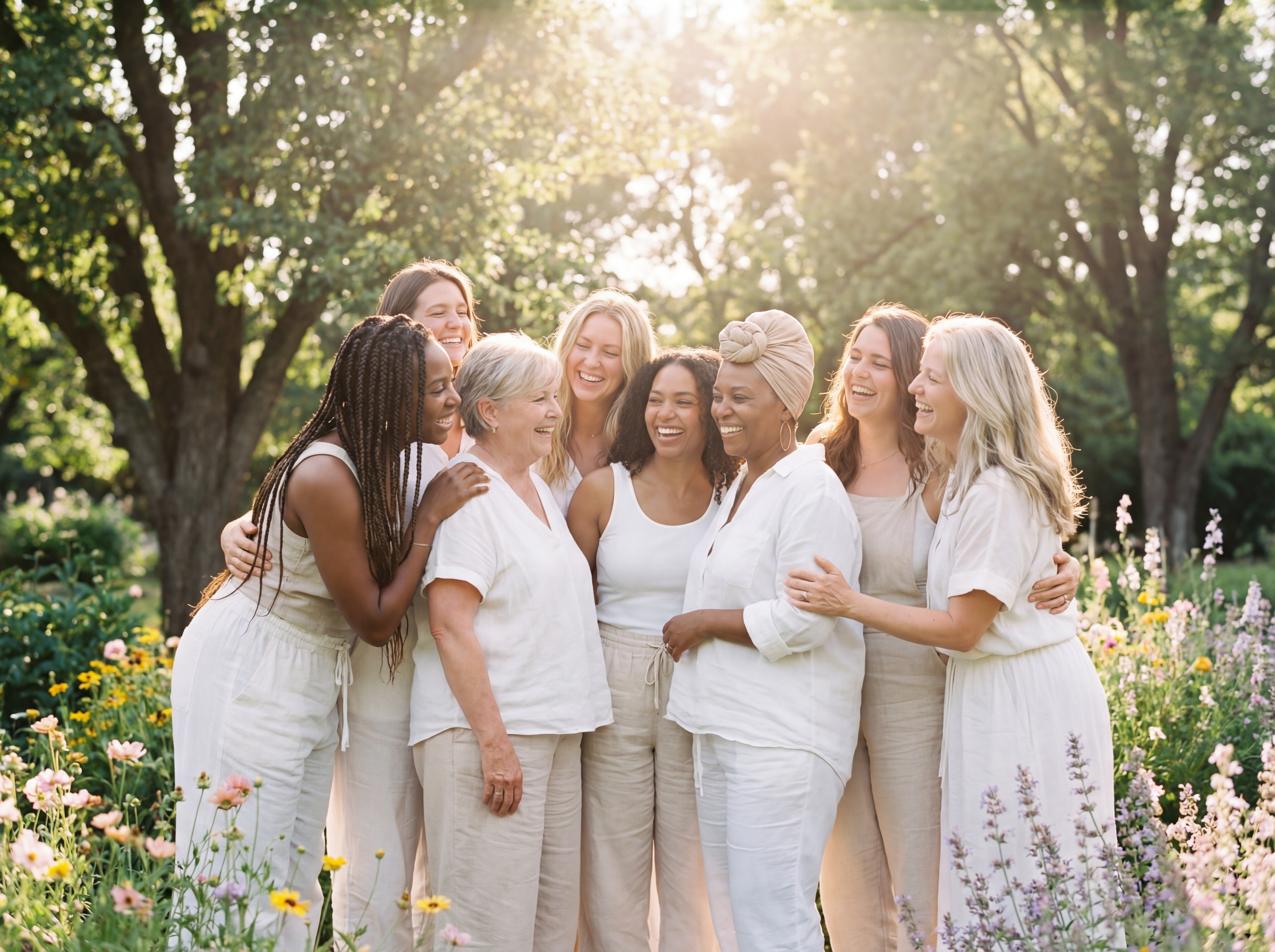
 In every era of history, progress for women has never been the result of a single voice rising above the noise. It has been the collective echo of many voices refusing to remain silent. The phrase “women supporting women” is often used casually on social media captions and motivational graphics, yet its true meaning runs much deeper than hashtags or slogans. Sisterhood is not a trend. It is a social, emotional, cultural, and economic force that continues to redefine what success looks like for women around the world.
At its core, sisterhood is the intentional act of women uplifting one another — emotionally, professionally, spiritually, and socially. It is mentorship, collaboration, advocacy, and empathy woven together. It is the recognition that another woman’s success does not threaten your own. Instead, it expands the possibilities for all women. In a society that has historically framed women as competitors for limited opportunities, embracing collective elevation becomes both an act of resistance and a blueprint for sustainable empowerment.
The Historical Roots of Female Solidarity
Long before corporate boardrooms and digital communities, women relied on each other for survival. Shared childcare, cooperative farming, communal cooking, and collective healing practices were not optional; they were necessary. In many cultures, women gathered to exchange wisdom, resources, and emotional support. These informal networks functioned as early social safety systems.
As women fought for voting rights, workplace inclusion, educational access, and reproductive autonomy, collective action became the driving force behind societal change. Movements were powered not by isolated leaders, but by communities of women standing together. This historical context reminds us that sisterhood is not new — it is ancestral. Modern women are inheriting a legacy of collaboration that has always been essential to progress.
Why Competition Was Normalized
Understanding the power of sisterhood requires acknowledging why competition among women became normalized. For decades, women were conditioned to believe there were limited seats at the table. Media narratives often highlighted rivalry instead of partnership. Corporate environments sometimes fostered scarcity mindsets, implying that another woman’s advancement might jeopardize one’s own.
This scarcity mentality created unnecessary divisions. Instead of recognizing shared struggles and collective goals, women were encouraged to view each other as obstacles. Yet this narrative ignored a fundamental truth: systemic barriers affect women broadly, not individually. When one woman breaks a barrier, she often opens pathways for many others. Competition might yield short-term recognition, but collaboration produces long-term transformation.
Collaboration in Business: The Economic Impact of Sisterhood
When women collaborate professionally, the benefits extend beyond personal growth. Entire industries shift. Female-led businesses that partner with other female-owned enterprises strengthen economic ecosystems. Referrals, joint ventures, co-branding, and cross-promotion create exponential visibility.
Women who actively recommend other women for leadership roles, contracts, speaking engagements, or board positions challenge traditional gatekeeping structures. Economic empowerment becomes communal rather than isolated. Instead of climbing ladders alone, women build platforms wide enough for others to stand beside them.
Collaboration also fosters innovation. Diverse perspectives generate creative solutions. When women with different backgrounds, skills, and experiences unite, they bring multifaceted insight into problem-solving. Businesses rooted in collaborative culture tend to demonstrate higher employee satisfaction, stronger retention, and more adaptable leadership.
Mentorship: The Bridge Between Potential and Power
Mentorship is one of the most tangible expressions of sisterhood. A mentor offers more than advice; she provides perspective, encouragement, and accountability. Many women achieve breakthroughs not because they possessed all the answers, but because someone believed in their ability to find them.
Intergenerational mentorship is especially powerful. Younger women benefit from the lived experiences of those who have navigated similar challenges. Meanwhile, seasoned professionals gain renewed inspiration and relevance through emerging voices. Mentorship is not hierarchical; it is reciprocal. Knowledge flows both ways.
Professional mentorship also reduces isolation. Women entering male-dominated industries often experience imposter syndrome or doubt. Guidance from another woman who has successfully navigated those spaces reinforces confidence and resilience. Sisterhood becomes both a safety net and a launchpad.
Emotional Safety and Shared Experience
Beyond professional dynamics, sisterhood fulfills emotional needs that are often overlooked. Women frequently juggle multiple roles — caregiver, professional, partner, friend, community member — while managing expectations that are both internal and societal. The ability to express vulnerability without judgment is invaluable.
Sisterhood provides emotional validation. Shared experiences foster empathy. Conversations among women often include nuanced understanding of topics such as workplace bias, motherhood guilt, aging, body image, financial pressure, and identity shifts. These discussions create environments where honesty replaces performance.
Emotional safety also nurtures mental wellness. Knowing that one is supported reduces anxiety and loneliness. Women who feel emotionally grounded are more likely to pursue goals confidently and recover from setbacks resiliently.
The Role of Digital Communities
In the modern era, digital platforms have expanded the reach of sisterhood beyond geographical boundaries. Online communities allow women from different cultures, professions, and life stages to connect, collaborate, and learn from one another. Social media, forums, virtual conferences, and digital mentorship programs have redefined networking.
However, digital sisterhood requires intentionality. Authentic support must extend beyond likes and comments. Meaningful engagement includes sharing opportunities, amplifying voices, and fostering constructive dialogue. When used thoughtfully, digital spaces become catalysts for empowerment rather than comparison.
Cultural Diversity and Inclusive Sisterhood
True sisterhood is inclusive. It recognizes that women’s experiences differ based on race, culture, socioeconomic status, age, disability, and identity. Supporting women requires listening, learning, and acknowledging diverse perspectives. Inclusivity strengthens collective empowerment because it broadens understanding.
Intersectionality plays a vital role. Women who actively advocate for equity create environments where multiple identities are respected. Sisterhood is not about uniformity; it is about unity within diversity. When women honor each other’s unique journeys, they cultivate deeper solidarity.
The Psychological Benefits of Supporting Others
Supporting other women also enhances personal well-being. Acts of encouragement, mentorship, and advocacy trigger positive psychological responses. Studies in behavioral psychology consistently show that altruism increases happiness, reduces stress, and strengthens self-esteem.
Women who uplift others often discover renewed purpose. Encouraging another woman’s growth reinforces one’s own capabilities. Confidence becomes contagious. The act of giving support frequently leads to receiving it in return, creating reciprocal empowerment cycles.
Breaking the Comparison Trap
Comparison is one of the most significant barriers to sisterhood. Social media, professional milestones, and societal expectations can inadvertently foster envy or self-doubt. Sisterhood requires reframing comparison into inspiration. Another woman’s achievements should be viewed as proof of possibility rather than evidence of inadequacy.
Cultivating gratitude and self-awareness helps women appreciate their individual journeys. Recognizing that success is not linear or identical for everyone reduces unnecessary pressure. When comparison shifts into celebration, sisterhood flourishes naturally.
Sisterhood in Personal Life
While professional collaboration receives significant attention, personal sisterhood is equally impactful. Friendships, family relationships, and community involvement shape emotional resilience. Women who maintain strong interpersonal bonds often report higher life satisfaction.
Personal sisterhood involves:
-
Celebrating milestones without competition
-
Offering support during transitions or grief
-
Practicing honest communication
-
Respecting boundaries
-
Sharing resources and encouragement
These everyday acts reinforce connection. Sisterhood thrives not only in grand gestures but in consistent presence.
Raising the Next Generation
Children observe how women treat each other. Demonstrating cooperation instead of rivalry teaches younger generations the value of unity. Girls who witness supportive female relationships grow up understanding that empowerment is collaborative. Boys who observe respectful sisterhood learn to appreciate equality and empathy.
Modeling healthy relationships shapes future cultural norms. Sisterhood today influences leadership styles, workplace cultures, and community values tomorrow.
The Ripple Effect of Collective Empowerment
The impact of women supporting women extends far beyond individual relationships. Communities become stronger. Businesses become more innovative. Families become more stable. Cultural narratives evolve. The ripple effect reaches educational systems, policy discussions, and global movements.
Collective empowerment amplifies voices that might otherwise remain unheard. When women advocate for each other, they challenge systemic limitations and redefine leadership paradigms. Sisterhood becomes both a personal commitment and a social movement.
Why Sisterhood Still Changes Everything
Despite societal progress, challenges persist. Gender disparities, wage gaps, and representation issues remain relevant. Sisterhood continues to be essential because it addresses these challenges collectively rather than individually. Progress is rarely achieved alone; it is cultivated through partnership.
Supporting other women is not about diminishing ambition. It is about expanding opportunity. It is about recognizing that empowerment multiplied is empowerment magnified. The strength of sisterhood lies in its ability to transform isolation into unity, competition into collaboration, and aspiration into achievement.
A Call to Intentional Support
Sisterhood does not require grand gestures. It begins with small, intentional actions: recommending another woman for a role, sharing her work, offering mentorship, listening without judgment, and celebrating her victories sincerely. These acts accumulate into cultural change.
Women supporting women still changes everything because it redefines what power looks like. Power is not dominance; it is influence rooted in empathy. It is leadership grounded in collaboration. It is success shared rather than hoarded.
In embracing sisterhood, women are not only uplifting each other — they are rewriting societal narratives, building economic strength, nurturing emotional resilience, and shaping future generations. Sisterhood is not simply a concept. It is a living, evolving force that continues to change everything, precisely because women choose, again and again, to rise together rather than alone.

Connected Woman Magazine
Connected Woman Magazine is an online magazine that serves the female population in life and business. Our website will feature groundbreaking and inspiring women in news, video, interviews, and focused features from all genres and walks of life.