 Breast cancer is one of the most common cancers affecting women worldwide. According to the World Health Organization, over 2.3 million women are diagnosed with breast cancer every year, and hundreds of thousands die from it. But there is a vital truth that cannot be overlooked: early detection saves lives. The more women know about the importance of breast cancer awareness, routine screenings, mammograms, and the courage to advocate for their own health, the more lives can be saved.
October is globally recognized as Breast Cancer Awareness Month, a time when pink ribbons fill our communities and campaigns remind us of the importance of education, research, and support. Yet, awareness must extend beyond one month—it should become a way of life.
This article will explore why awareness is critical, how early detection changes outcomes, why mammograms matter, and why women must learn to be fierce advocates for their own healthcare.
Understanding Breast Cancer: More Than Just Statistics
Breast cancer begins when cells in the breast grow uncontrollably, forming a tumor that can often be seen on an X-ray or felt as a lump. Although it primarily affects women, men can also develop breast cancer, though at much lower rates.
What makes breast cancer unique—and frightening—is that in its early stages, it often presents no pain, no visible symptoms, and no discomfort. Many women feel healthy, energetic, and normal, all while cancer cells silently grow. By the time physical symptoms like lumps, skin dimpling, or nipple discharge appear, the disease may already have advanced.
This is why awareness matters: knowledge equips women to act before cancer does.
Why Early Detection Matters
When breast cancer is caught early, survival rates are dramatically higher. According to the American Cancer Society:
-
The 5-year survival rate for women with localized breast cancer (cancer that has not spread outside the breast) is about 99%.
-
Once the cancer spreads to nearby lymph nodes, the survival rate drops to about 86%.
-
If it spreads to distant parts of the body, the rate falls significantly to 29%.
These numbers highlight a sobering yet empowering truth: detecting cancer early can make the difference between life and death.
Early detection often means less aggressive treatment, fewer surgeries, and a better chance of preserving one’s quality of life. It allows women to take control of their healing journey with greater options available to them.
The Role of Mammograms
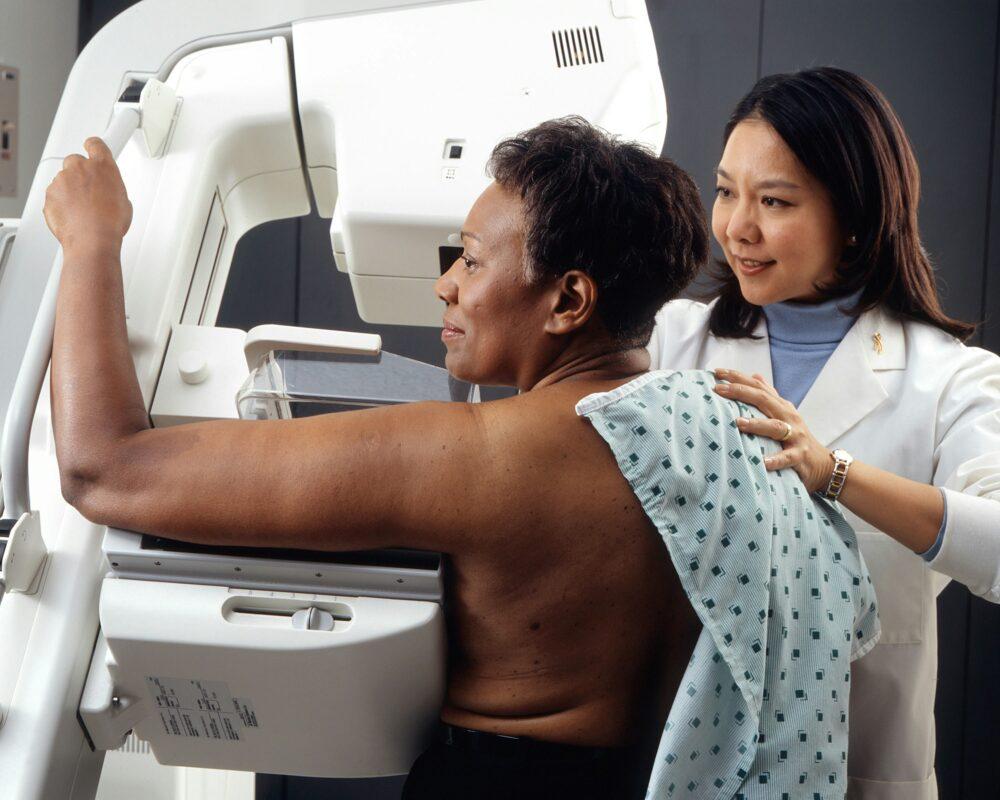
Mammograms are the gold standard for breast cancer screening. A mammogram is a low-dose X-ray of the breast that can detect abnormalities years before they become physically noticeable.
Why Mammograms Are Important
-
They save lives. Research shows mammograms can reduce breast cancer deaths by detecting cancer at its earliest stages.
-
They provide peace of mind. Even if results are normal, women can feel reassured and empowered by having taken charge of their health.
-
They establish a baseline. Regular screenings create a record for doctors to compare over time, spotting subtle changes earlier.
When Should Women Get Mammograms?
Guidelines vary, but many healthcare organizations recommend:
-
Ages 40–44: Women can choose to begin annual mammograms.
-
Ages 45–54: Women should get mammograms every year.
-
Ages 55 and older: Mammograms every two years (or continue annually).
Women with higher risk factors—such as family history, genetic mutations (BRCA1 or BRCA2), or previous radiation to the chest—may need to start earlier.
The key is not just knowing the guidelines, but talking to your doctor about your personal risk and creating a tailored plan.
Risk Factors Every Woman Should Know
Not all breast cancers are preventable, but awareness of risk factors allows women to take precautions and make lifestyle adjustments.
Major Risk Factors:
-
Age: Risk increases with age, especially after 40.
-
Family History & Genetics: Having a mother, sister, or daughter with breast cancer nearly doubles risk. BRCA mutations dramatically increase lifetime risk.
-
Reproductive History: Early menstruation, late menopause, or having no children can slightly raise risk.
-
Hormone Therapy: Long-term hormone replacement therapy after menopause may increase risk.
-
Lifestyle Choices: Alcohol consumption, obesity, lack of physical activity, and poor diet can contribute to higher risk.
But here’s the empowering truth: having risk factors doesn’t mean you’ll develop breast cancer, and lacking them doesn’t mean you’re immune. What matters is consistent vigilance and self-advocacy.
Being Your Own Healthcare Advocate
One of the most important lessons in the fight against breast cancer is this: no one knows your body better than you. While doctors, nurses, and specialists provide expertise, women must take ownership of their healthcare journey.
How to Advocate for Yourself:
-
Know Your Family History
Ask questions about relatives’ medical histories. Share this with your doctor—it may change your screening plan. -
Perform Self-Exams
While self-exams don’t replace mammograms, they teach you to become familiar with your body. Report any changes immediately. -
Ask Questions
Don’t be afraid to ask your healthcare provider:-
What does this result mean?
-
Do I need additional testing?
-
Are there alternatives?
-
What steps should I take next?
-
-
Get a Second Opinion
If something doesn’t feel right or you want reassurance, a second opinion can provide clarity and confidence. -
Don’t Delay Care
Fear, busyness, or denial often lead women to postpone appointments. Remember: time is everything in early detection. -
Trust Your Intuition
If you feel something is wrong—even if tests are normal—speak up. Countless survivors have said their persistence led to a life-saving diagnosis.
Breaking Down Barriers to Care
Despite advances, many women face barriers to breast cancer screening and treatment:
-
Financial Concerns: Mammograms can be costly without insurance. Fortunately, many hospitals and organizations offer free or low-cost screenings during October and throughout the year.
-
Fear of Pain or Results: Fear prevents countless women from getting mammograms. But the brief discomfort is worth a lifetime of health.
-
Cultural Stigma: In some communities, discussing women’s health is taboo. Breaking this silence saves lives.
-
Healthcare Inequities: Women of color, particularly Black women, face higher mortality rates despite having lower breast cancer incidence than white women. Advocating for equitable access to screenings and treatment is essential.
Removing these barriers requires awareness, education, and community support.
The Emotional Journey of Awareness
Breast cancer awareness is not just about medical facts—it’s about emotional resilience. The pink ribbon is more than a symbol; it represents the millions of women who have fought, survived, or been lost to breast cancer.
For some, awareness means remembering a loved one. For others, it means facing fear head-on. For survivors, it means turning their story into hope for others.
Building emotional strength is just as vital as medical vigilance. Women must give themselves permission to feel the fear, cry when necessary, but also rise with courage.
Lifestyle Choices That Lower Risk
While no lifestyle choice guarantees prevention, healthy living supports overall breast health.
-
Exercise regularly: Just 30 minutes a day can help regulate hormones and reduce risk.
-
Maintain a healthy weight: Obesity is linked to increased breast cancer risk.
-
Eat a balanced diet: Focus on fruits, vegetables, whole grains, and lean proteins.
-
Limit alcohol: Even small amounts can increase risk.
-
Avoid smoking: Tobacco is linked to many cancers, including breast cancer.
-
Breastfeed if possible: Research suggests breastfeeding may lower breast cancer risk.
These steps not only lower risk but also build resilience against many other health issues.
The Role of Community
Breast cancer awareness is not a solo journey. Communities play a powerful role in spreading education, offering support, and funding research.
-
Support Groups: Local and online groups give women a safe place to share experiences and encouragement.
-
Awareness Campaigns: Walkathons, fundraising events, and social media challenges keep the conversation alive.
-
Mentorship: Survivors mentoring newly diagnosed women can provide hope and guidance.
When women stand together, awareness turns into empowerment.
Survivors’ Voices: Lessons in Advocacy
Many survivors share a common message: “I almost didn’t go in.” Whether it was a lump dismissed as nothing, a mammogram postponed, or a doctor’s reassurance that turned out to be wrong, their persistence often became the reason they’re alive today.
One woman might say, “I insisted on a second opinion, and that decision saved my life.” Another might add, “I trusted my gut when something felt off.”
Their voices remind us: awareness isn’t just about knowledge—it’s about action.
Turning Awareness Into Action
Awareness alone is not enough. It must be paired with action:
-
Schedule your mammogram.
-
Encourage a sister, friend, or mother to do the same.
-
Share educational resources.
-
Support organizations funding research and providing patient care.
When women transform awareness into action, they shift the tide of breast cancer outcomes for generations to come.
Final Thoughts: Your Health, Your Power
Breast cancer awareness is about more than pink ribbons—it is about survival, courage, and empowerment. Early detection through mammograms can save your life. Advocacy for your body can save your future. Awareness is the first step, but action is what truly makes the difference.
As women, we must remind ourselves that our health is non-negotiable. We cannot pour into others if we are empty. We cannot wait until it’s too late.
Be proactive. Be vigilant. Be your own advocate. Encourage others to do the same. In this movement of awareness and advocacy, every action—big or small—contributes to saving lives.
Your health is your power, and you deserve to live a long, thriving, beautiful life.
