
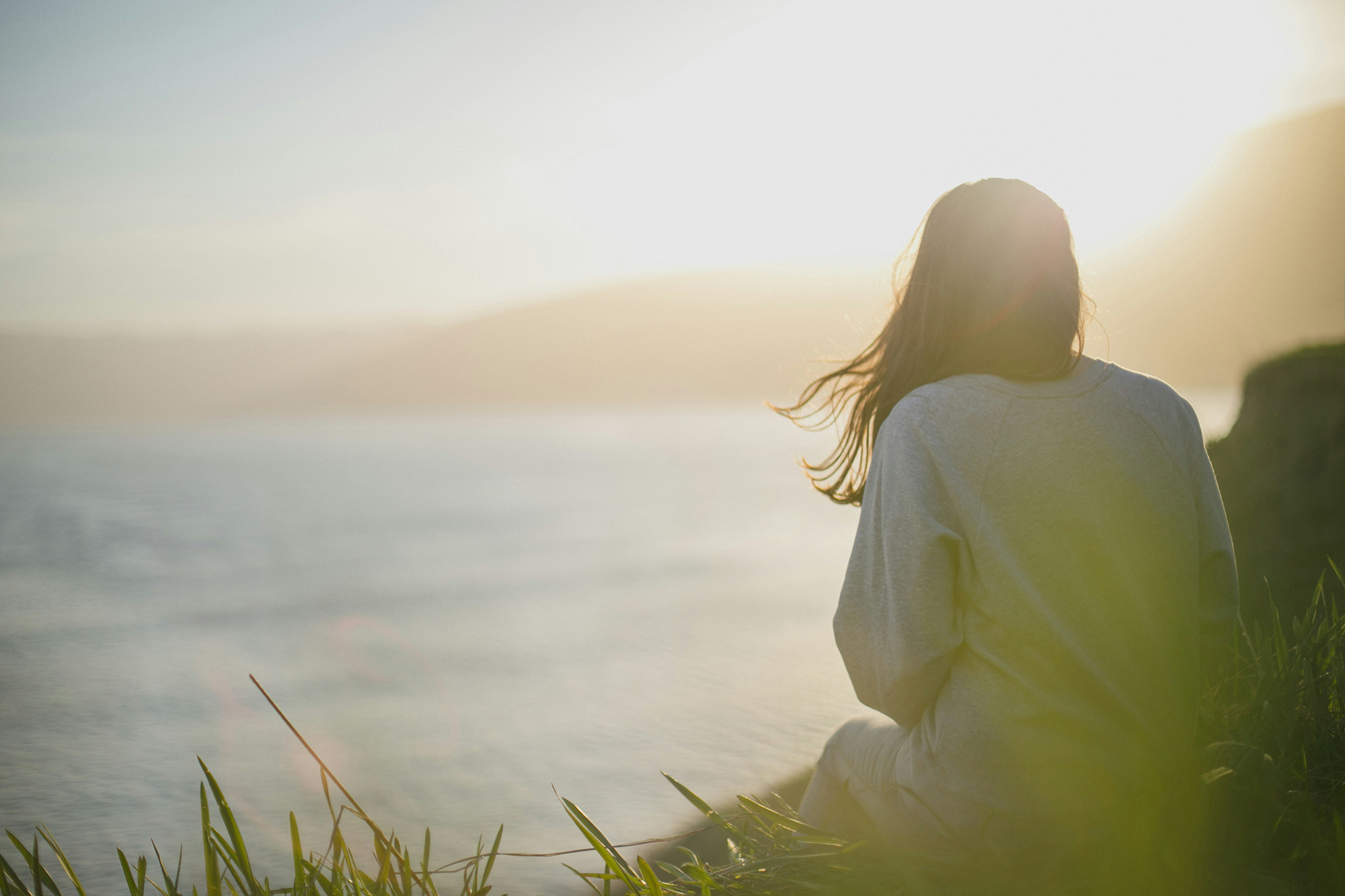
 The modern woman is often celebrated for her ability to “do it all.” She is expected to excel in her career, nurture relationships, manage households, pursue personal goals, remain socially engaged, and still appear composed while doing so. While ambition and capability are strengths, the unspoken cost of constant productivity has become increasingly visible. Burnout, anxiety, emotional exhaustion, and mental overload are no longer rare — they are widespread realities. In this context, rest is no longer a luxury. It is an act of preservation, resistance, and self-respect.
To call rest revolutionary may sound dramatic, yet in cultures that glorify overwork and equate worth with output, choosing to pause challenges deeply ingrained narratives. Rest disrupts the belief that exhaustion is proof of dedication. It redefines success as sustainability rather than sacrifice. For the modern woman, protecting mental wellness is not about doing less — it is about living more intentionally.
The Invisible Load Women Carry
Many women carry what psychologists and sociologists often describe as the “invisible load.” This includes emotional labor, mental planning, caregiving responsibilities, and unacknowledged expectations that extend beyond visible tasks. Even when professional responsibilities end for the day, mental checklists frequently continue: appointments to schedule, meals to plan, family needs to anticipate, social obligations to remember, and future goals to strategize.
This invisible workload rarely receives recognition because it is not always tangible. Yet its impact on mental wellness is profound. Chronic cognitive engagement without sufficient recovery leads to fatigue that is emotional as well as physical. Over time, this strain can erode creativity, patience, and confidence.
Burnout Is Not Just Fatigue
Burnout is often misunderstood as simple tiredness, but it is far more complex. It involves emotional depletion, reduced motivation, and a sense of detachment from activities that once felt meaningful. Women experiencing burnout may find themselves irritable, unmotivated, or overwhelmed by tasks that previously seemed manageable.
Common contributors to burnout include:
-
Perfectionism and self-imposed pressure
-
Lack of boundaries in professional or personal life
-
Constant digital connectivity
-
Limited support systems
-
Unrealistic societal expectations
Recognizing burnout is essential because ignoring it can lead to prolonged stress, anxiety disorders, and physical health complications. Acknowledgment is not weakness; it is awareness.
The Cultural Glorification of Busyness
One of the greatest obstacles to mental wellness is the cultural glorification of busyness. Phrases such as “I’ll rest when I’m done” or “I’m just trying to keep up” reflect normalized overextension. Women are frequently praised for multitasking and endurance rather than balance and boundaries.
This narrative reinforces guilt around rest. Many women feel compelled to justify downtime or apologize for declining commitments. Yet constant activity does not equate to productivity. In fact, sustained overwork diminishes effectiveness and creativity. Rest is not the opposite of achievement; it is a prerequisite for it.
Boundaries as an Act of Self-Respect
Establishing boundaries is one of the most effective strategies for preserving mental wellness. Boundaries communicate self-worth and clarify expectations. They are not acts of rejection; they are acts of protection. Women who set boundaries demonstrate awareness of their limits and respect for their energy.
Healthy boundaries may include:
-
Declining additional responsibilities when capacity is full
-
Limiting after-hours communication
-
Scheduling uninterrupted personal time
-
Delegating tasks rather than absorbing all responsibilities
-
Protecting weekends or evenings for rest
Boundaries often require courage because they challenge ingrained habits of people-pleasing or overcommitment. Yet they foster sustainability and prevent resentment.
Emotional Sustainability and Self-Awareness
Mental wellness is not achieved through occasional vacations alone. It requires ongoing emotional sustainability — the consistent practice of nurturing mental and emotional health. Self-awareness plays a pivotal role. Women who regularly reflect on their emotional states are better equipped to address stress before it escalates.
Practices that support emotional sustainability include journaling, therapy, meditation, physical movement, creative expression, and meaningful conversations. These activities create outlets for processing emotions rather than suppressing them. Emotional wellness becomes a continuous dialogue rather than an afterthought.
The Digital Age and Cognitive Overload
The digital era has introduced unprecedented connectivity. While technology offers convenience and opportunity, it also contributes to cognitive overload. Notifications, emails, social media comparisons, and constant information flow leave little room for mental stillness. Women often feel pressure to remain accessible at all times, blurring the line between professional and personal life.
Digital boundaries are essential. Intentional disconnection — whether through scheduled offline hours, app limitations, or mindful consumption — allows the mind to recalibrate. Restoring mental clarity requires reducing constant stimulation.
Rest as a Creative Catalyst
Rest is not merely restorative; it is generative. Creativity thrives when the mind has space to wander and reflect. Many breakthroughs occur during moments of pause rather than intense focus. Women who permit themselves downtime often discover renewed inspiration and innovative thinking.
Rest enhances problem-solving by reducing mental fatigue. It also strengthens memory, emotional regulation, and decision-making. Rather than viewing rest as lost time, reframing it as investment shifts perspective. Productivity rooted in rest is more sustainable and effective.
The Emotional Impact of Comparison
Social comparison, amplified by digital platforms, significantly affects mental wellness. Constant exposure to curated successes and highlight reels can lead to feelings of inadequacy or pressure. Women may measure their progress against unrealistic standards, overlooking personal achievements.
Cultivating gratitude and self-compassion counters comparison. Recognizing individual journeys and celebrating incremental progress fosters confidence. Mental wellness improves when women shift focus from external validation to internal alignment.
Community and Support Systems
No woman thrives in isolation. Support systems — friends, family, mentors, or professional networks — provide emotional grounding. Sharing challenges reduces stigma and fosters connection. Community creates accountability for wellness practices and reinforces the importance of rest.
Women who actively nurture supportive relationships often experience reduced stress and increased resilience. Conversations that normalize vulnerability dismantle the myth of perpetual strength. True empowerment includes the freedom to express fatigue and seek support.
Rest as Resistance
In societies that equate worth with output, choosing rest becomes a form of resistance. It challenges productivity culture and reclaims autonomy over time and energy. Rest asserts that well-being is non-negotiable. It affirms that human value extends beyond measurable achievements.
Rest also disrupts generational cycles of overwork. Women who model balanced lifestyles influence families and communities, encouraging healthier norms. This ripple effect transforms not only individual lives but collective expectations.
Integrating Rest Into Daily Life
Rest does not always require extended vacations or drastic lifestyle changes. It can be integrated into daily routines through intentional habits:
-
Short breaks between tasks
-
Mindful breathing or stretching
-
Evening wind-down rituals
-
Limiting multitasking
-
Prioritizing sleep quality
Consistency matters more than duration. Small, repeated acts of rest accumulate into significant mental clarity and emotional resilience.
The Connection Between Physical and Mental Health
Mental wellness is intrinsically linked to physical health. Adequate sleep, nutrition, hydration, and movement influence mood and cognitive function. Women who neglect physical needs often experience heightened stress and fatigue. Holistic wellness recognizes that mind and body operate in synergy.
Physical self-care is not vanity; it is vitality. Investing in health supports mental clarity and emotional stability. Rest becomes not only psychological but physiological.
Reframing Success and Self-Worth
Ultimately, protecting mental wellness requires redefining success. Women who equate worth solely with productivity risk chronic dissatisfaction. True success includes fulfillment, balance, and well-being. It values quality of life alongside accomplishments.
Self-worth should not fluctuate with output. Recognizing inherent value fosters confidence independent of performance. Women who internalize this truth are more likely to prioritize rest without guilt.
A Sustainable Future for Modern Women
The conversation around mental wellness is not a passing trend; it is a necessary cultural shift. Women are increasingly acknowledging that endurance without restoration is unsustainable. By embracing rest as a revolutionary act, they challenge outdated narratives and create healthier models for future generations.
Mental wellness empowers women to lead, create, and nurture with clarity rather than exhaustion. Rest becomes a foundation for resilience rather than an afterthought. When women honor their need for renewal, they do more than protect their minds — they reclaim their time, redefine their worth, and shape a future where sustainability replaces sacrifice.
In choosing rest, the modern woman is not stepping back; she is stepping into balance. And in that balance lies the true power of sustainable success and authentic well-being.

Connected Woman Magazine
Connected Woman Magazine is an online magazine that serves the female population in life and business. Our website will feature groundbreaking and inspiring women in news, video, interviews, and focused features from all genres and walks of life.