
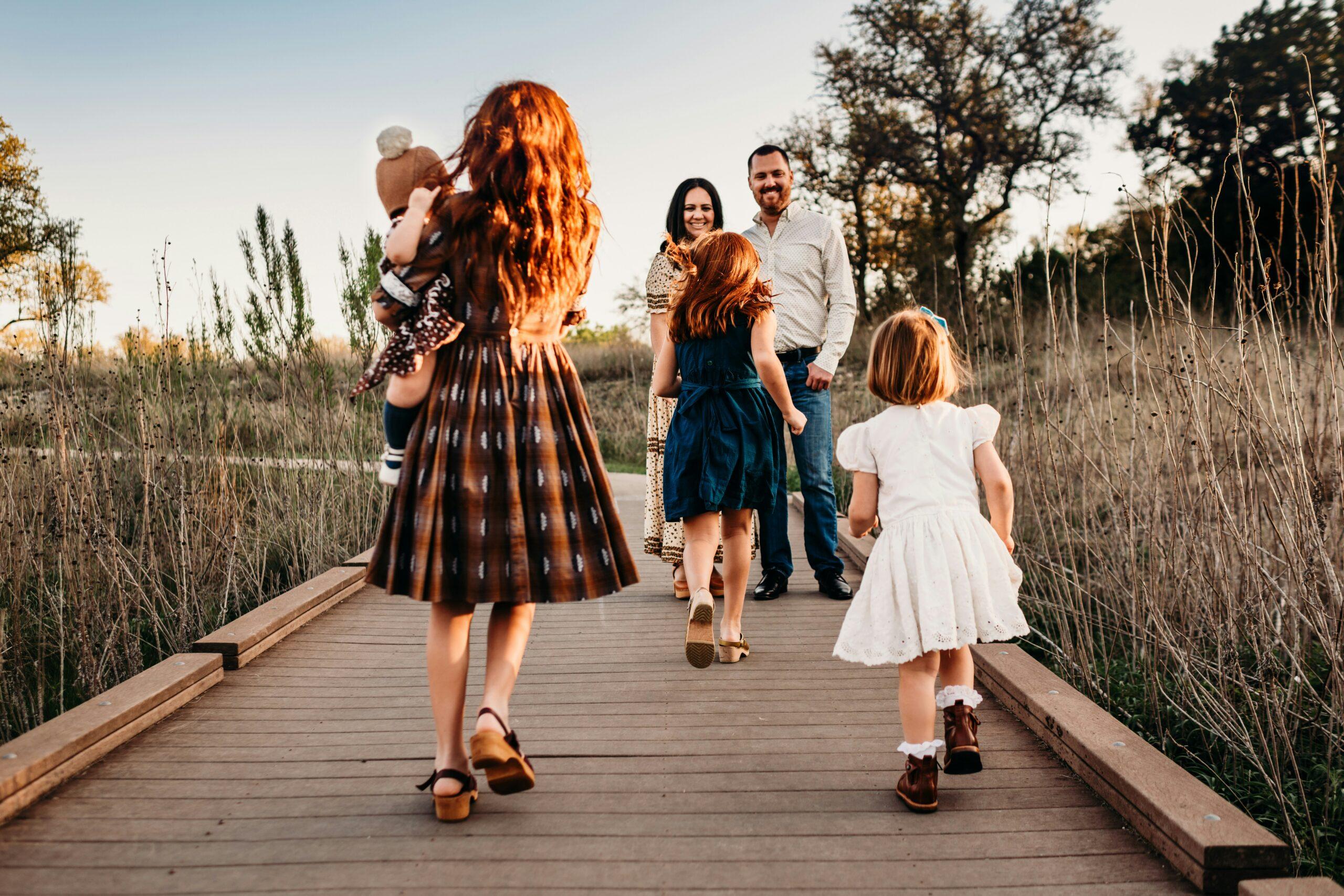
 Blended families are beautiful in their complexity. They’re a mix of histories, personalities, traditions, and—most importantly—hearts learning to love and trust again.
For women stepping into a new marriage or committed relationship with a man who has children from a prior relationship, there is often a silent, sometimes overwhelming, truth: you are walking into an already-formed bond between a father and his children—and you must find your place in it without overstepping.
It’s not about replacing their mother. It’s not about earning points with your partner. It’s about showing up, building trust, and creating a safe, loving space for those children to feel valued, seen, and respected in this new family unit.
Whether those kids are toddlers learning their ABCs or teenagers perfecting their eye rolls, your role can influence how the entire blended family thrives—or struggles—over time. Let’s talk about why this matters, and how to do it in a way that feels authentic, patient, and lasting.
Why Bonding with Stepchildren Matters More Than You Think
1. It Shapes the Entire Family Dynamic
In a blended family, the relationship between the stepparent and the children is the glue—or the gap. If that bond is nurtured, it can help everyone feel more secure and united. If it’s ignored or strained, it can create tension that ripples through every interaction.
2. It Impacts Your Relationship with Your Partner
Your partner doesn’t just love his children—they are part of his identity. How you treat them is a direct reflection of how much you respect and value him. When he sees you making an effort to connect with them, it deepens his trust and admiration for you.
3. Children Notice Who Shows Up
Kids—regardless of age—are experts at reading authenticity. They will remember who made them feel safe, cared for, and respected. Over time, the consistent effort you put in can become one of the strongest pillars in their emotional foundation.
4. You Become Part of Their Story
Whether you realize it or not, your presence is now woven into their childhood memories. That comes with a responsibility: to be a positive, stable, and uplifting part of their journey.
Common Challenges Women Face in Bonding with Stepchildren
Before we get into the “how,” let’s acknowledge the roadblocks that can make this harder than it sounds.
-
The ‘You’re Not My Mom’ Barrier – Many children feel a natural loyalty to their biological mother, and may resist closeness with a stepmother out of fear it will be disloyal.
-
Different Parenting Styles – You and your partner may not agree on discipline, rules, or boundaries at first.
-
Age and Stage Differences – Younger children may adapt more easily, while older kids—especially teens—may take more time.
-
Your Own Fears and Insecurities – Worrying about saying the wrong thing, not being liked, or feeling like an outsider.
-
Past Family Trauma or Divorce Dynamics – Previous hurt or instability can make trust-building a slower process.
The key here? Patience and consistency. Blended family relationships are a marathon, not a sprint.
Practical Ways to Bond with Children from a Prior Relationship
Here are actionable, heart-centered strategies to help you build genuine trust and connection.
1. Respect Their Existing Family Relationships
The first rule of blending families is simple: do not compete with their mother.
Even if she’s not in the picture full-time, she is still their mother, and your role is not to replace her. Instead, focus on being an additional supportive adult who loves and looks out for them.
-
Avoid making comparisons between yourself and their mom.
-
Encourage your partner to maintain strong ties with his children’s mother when it benefits the children.
-
Don’t take offense if the kids show more affection toward her—it’s natural.
Why this matters: It signals to the children that you’re not there to erase their past, but to be a part of their future.
2. Start Small and Stay Consistent
Big, sweeping gestures can sometimes overwhelm children or feel forced. Instead, focus on small, repeated acts of kindness.
-
Remember their favorite snack and surprise them with it.
-
Show interest in their hobbies—watch their soccer game, listen to the music they love.
-
Be consistent in showing up when you say you will.
Example: If you tell them you’ll be at their school play, make sure you are there, early, and clapping like they’re the star of Broadway.
3. Listen More Than You Talk
Kids—especially older ones—may be hesitant to open up. When they do, it’s often in small, seemingly random moments.
Be the person they can talk to without feeling judged or dismissed.
-
Avoid giving too much unsolicited advice at first.
-
Let them share their feelings about the new family setup, even if it’s hard to hear.
-
Show empathy: “I get that this feels different, and that’s okay.”
Why this matters: Trust is built when kids feel their feelings are safe with you.
4. Create New Traditions Together
Traditions help cement the feeling of belonging. Instead of trying to insert yourself into their old family traditions, create new ones that are unique to your relationship.
-
Weekly game or movie night
-
Special breakfast on Saturdays
-
An annual holiday baking day
-
“Just us” outings like mini-golf or hiking
Bonus: Traditions become something they look forward to, even when other family dynamics feel complicated.
5. Show Up at Their Milestones
Birthdays, graduations, first games—these are opportunities to silently say, I am here for you.
-
Offer to help plan or participate without taking over.
-
Celebrate their achievements with genuine pride.
-
Take photos together to mark the moments (if they’re comfortable).
Why this matters: Milestones are emotional anchors. Your presence during those times reinforces your role as a steady, caring figure.
6. Support Their Relationship with Their Father
Sometimes stepchildren may worry that you’re taking their dad away from them. Counteract this by actively supporting their father-child bond.
-
Encourage one-on-one time between them.
-
Avoid speaking negatively about him in front of them.
-
Include them in decisions where appropriate.
This shows that you value their relationship with him and aren’t trying to compete for attention.
7. Be Patient with the Pace of Bonding
One of the biggest mistakes new stepmothers make is expecting immediate closeness. Connection takes time—sometimes years.
-
Accept that there will be awkward moments.
-
Give them space when they pull away.
-
Keep showing up without demanding affection in return.
Remember: Your job is to plant seeds of trust and care, not to harvest them overnight.
8. Model the Behavior You Want to See
Children often learn by watching, not listening. Show them how to handle disagreements with respect, how to be kind even when frustrated, and how to communicate openly.
-
Speak respectfully to your partner.
-
Show empathy toward others.
-
Take responsibility when you’re wrong.
These subtle examples teach them about healthy adult relationships.
9. Include Them in Family Decisions
When appropriate, involve them in choices that affect the household.
-
Ask their opinion on weekend activities.
-
Let them help decorate their space in your home.
-
Invite them to share their thoughts about blended family traditions.
This inclusion helps them feel valued and respected.
10. Take Time to Know Each Child as an Individual
If your partner has multiple children, avoid lumping them together. Learn their personalities, dreams, fears, and humor.
-
Spend one-on-one time with each.
-
Tailor your approach to their individual needs.
-
Recognize and celebrate their differences.
What Not to Do
-
Don’t force affection – Let hugs, “I love you’s,” and closeness develop naturally.
-
Don’t badmouth their other parent – This creates loyalty conflicts.
-
Don’t compete for attention – Your role is additive, not competitive.
-
Don’t take rejection personally – Resistance often reflects the situation, not you as a person.
The Emotional Rewards of Bonding
When you commit to showing up for children from a prior relationship, you gain:
-
A deeper connection with your partner.
-
The joy of being part of a child’s growth and achievements.
-
A family bond that extends beyond biology.
-
A legacy of love that will be remembered long after they’ve grown.
Final Thoughts: Love Without Labels
In a blended family, love doesn’t have to come with titles or DNA connections. It’s built in the everyday moments—listening to them vent about school, celebrating their wins, showing up when it matters most.
Being a stepmother is not about erasing someone else’s role. It’s about adding another layer of care, safety, and support to a child’s life.
You may never hear “thank you” right away. You may not get the same affection you give. But one day, years later, they may look back and realize: She was there. She cared. She mattered.
And that is a gift worth giving—again and again.
Call to Action:
If you’re about to step into a blended family role, remember this: patience, respect, and consistent love are your most powerful tools. Show up, even in small ways, and watch the seeds of trust grow into something beautiful.
DOWNLOAD OUR FREE CHECKLIST, “10 Ways to Bond with Stepchildren Without Overstepping” now!
