
 For many women, decorating a home is one of the most exciting parts of building a life. Choosing colors, textures, furniture, and décor can feel like turning a blank canvas into something deeply personal. But when that home is shared with a partner, especially a man who may not naturally gravitate toward décor decisions, the process can sometimes become one-sided without anyone meaning for it to be.
Many women unintentionally design spaces that lean heavily feminine—soft florals, pastel palettes, delicate accents, and decorative pieces that may not resonate with the men who live there. Meanwhile, many men quietly accept the design choices without speaking up, even if they don’t feel fully represented in the environment.
The goal of decorating a shared home isn’t to erase feminine style or suppress creativity. Instead, it’s about creating a balanced environment where both people feel comfortable, represented, and at home.
A shared home should feel like our space, not her project.
Here are thoughtful ways women can decorate shared living spaces so the men in their lives feel included, respected, and equally at home.
Start With Conversation, Not Pinterest
Before buying décor or rearranging furniture, start with a conversation about the overall vibe of the space.
Many men are not accustomed to thinking about interior design in the same way women might, but that doesn’t mean they don’t have preferences. Some may care about colors, others about comfort, lighting, or practicality.
Ask simple questions like:
-
What kind of environment feels relaxing to you?
-
Do you prefer darker or lighter spaces?
-
Is there anything you want displayed in the living room?
-
What kind of furniture feels comfortable to you?
These conversations don’t need to be formal design meetings. They can happen casually while browsing furniture stores, scrolling through design photos, or watching home renovation shows together.
When both partners feel heard early in the process, decorating becomes a collaborative experience rather than a silent compromise.
 Choose Neutral Foundations
One of the easiest ways to keep a shared space balanced is by starting with neutral foundations.
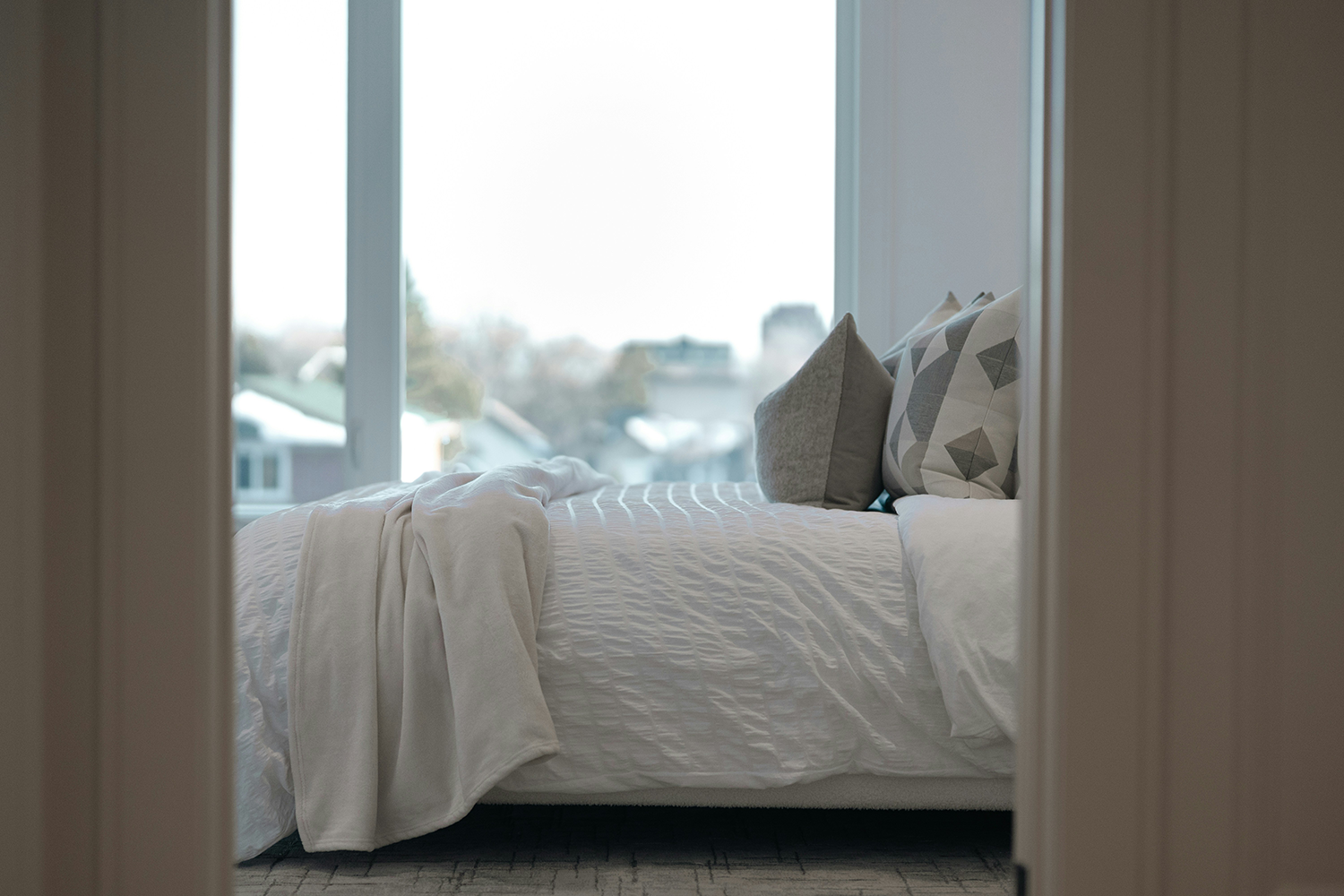
Large items like couches, rugs, coffee tables, and wall colors set the tone of a room. Choosing neutral shades for these pieces creates a flexible base that works for both masculine and feminine design touches.
Good shared foundation colors include:
-
Warm beige
-
Charcoal gray
-
Taupe
-
Cream
-
Navy
-
Earth tones
Neutral bases allow for personality to shine through in smaller décor items like pillows, blankets, artwork, and accent pieces without overwhelming the space.
Instead of an entirely pink or pastel living room, for example, a warm neutral couch with layered textures and subtle accent colors can create a sophisticated environment that feels welcoming to both people.
Blend Styles Instead of Choosing One
Interior design doesn’t have to fall into rigid categories like “feminine” or “masculine.” The most beautiful shared spaces often come from blending elements of both styles.
Feminine elements might include:
-
Soft textures
-
Decorative lighting
-
Plants
-
Artwork
-
Layered fabrics
Masculine elements often lean toward:
-
Clean lines
-
Darker woods
-
Leather
-
Structured furniture
-
Minimal clutter
When these styles come together thoughtfully, they create a balanced and interesting space.
For example:
A room with a leather chair, soft throw blanket, textured rug, and warm lighting feels both cozy and grounded.
Blending styles creates a home that reflects two personalities rather than leaning entirely in one direction.
Make Room for His Interests Too
One common mistake couples make in shared spaces is unintentionally erasing the other person’s interests from the décor.
Many women curate beautiful living rooms but avoid displaying items like sports memorabilia, hobby equipment, or personal collections because they feel they “don’t match the aesthetic.”
But a home should reflect the people living in it.
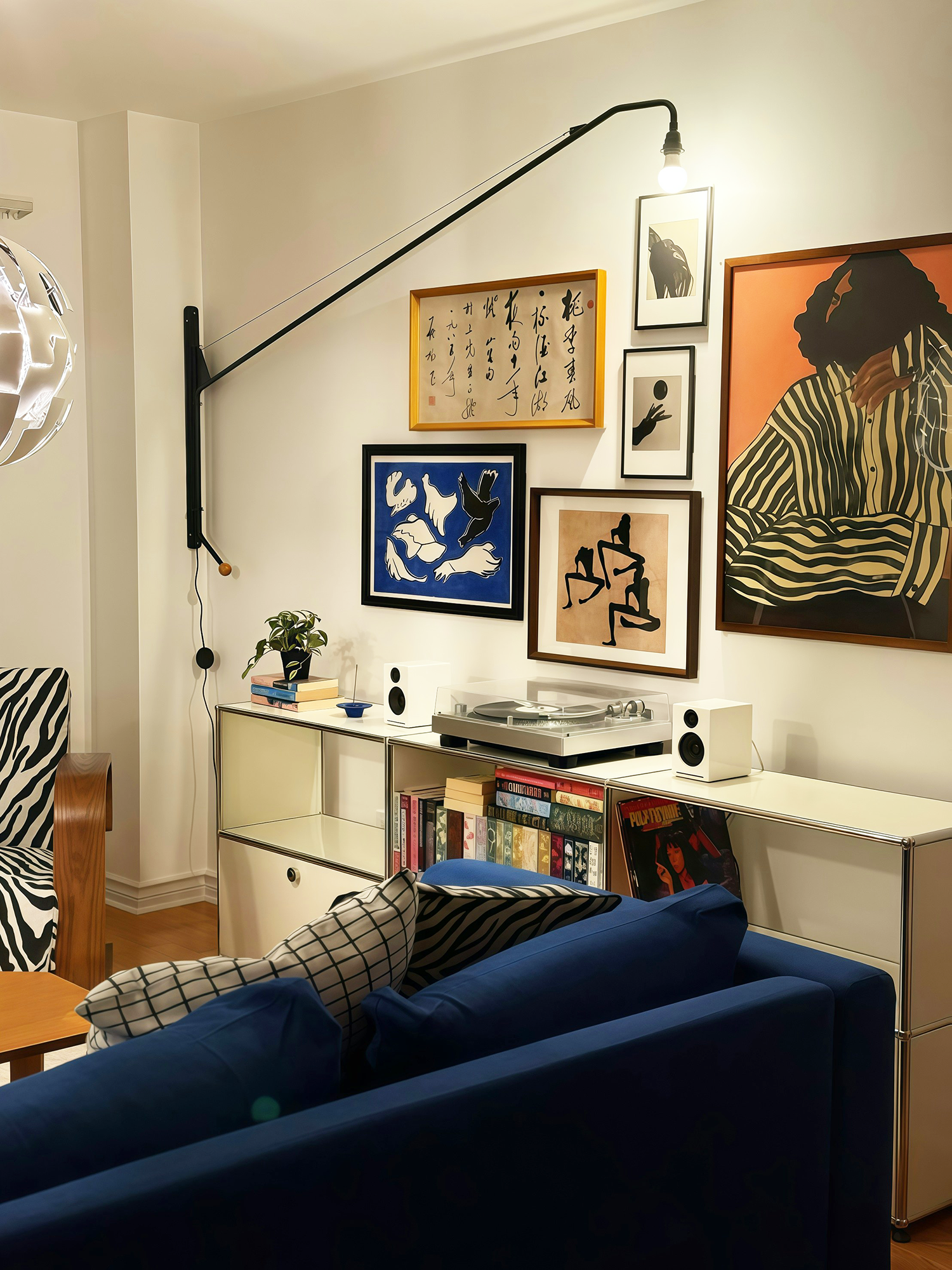
Instead of hiding those elements, look for ways to integrate them tastefully.
Ideas include:
-
Framing jerseys or concert tickets
-
Displaying sports items in shadow boxes
-
Creating a bookshelf for hobbies and collectibles
-
Designing a small corner that celebrates shared interests
When a man sees pieces of his life reflected in the home, it reinforces that he belongs there too.
Focus on Comfort as Much as Style
While women often prioritize aesthetics, many men prioritize comfort and functionality.
The perfect couch on Instagram might not be comfortable for everyday lounging. A stylish chair might not support someone who is taller or larger.
Decorating shared spaces means balancing beauty with practicality.
Ask questions like:
-
Is the seating comfortable for both of us?
-
Is the lighting functional for reading or relaxing?
-
Is there enough space to move freely?
Homes that prioritize comfort feel more inviting for everyone, and comfort itself can become a major part of the design.
Avoid Turning the Living Room Into a Showroom
Some homes are designed so perfectly that they feel more like staged showrooms than lived-in spaces.
When a room is overly delicate, perfectly arranged, or filled with fragile décor, the men in the household may feel hesitant to relax fully in it.
A shared space should feel welcoming, not intimidating.
Consider incorporating:
-
Durable fabrics
-
Functional furniture
-
Open seating areas
-
Relaxed arrangements
A home should invite people to sit, laugh, watch movies, host friends, and unwind without worrying about disturbing the design.
Create Shared Signature Pieces
One meaningful way to decorate together is to choose a few signature pieces as a couple.
This might include:
-
A large piece of artwork you both love
-
A unique coffee table
-
A statement rug
-
A meaningful photograph
-
A piece collected from a trip together
These shared choices become anchors in the space that represent the relationship itself.
When people walk into the home, they’re not seeing one person’s style—they’re seeing a reflection of a partnership.
Accept That Not Everything Has to Match
One of the most freeing realizations in interior design is that perfection isn’t required.
A home doesn’t have to look like a magazine spread to feel beautiful.
Sometimes the most meaningful homes include a mixture of styles, personal items, and unexpected pieces that tell a story.
Maybe there’s a sleek modern lamp next to a sentimental photo frame.
Maybe there’s a designer sofa paired with a vintage chair he loves.
These combinations make a home feel authentic.
And authenticity is always more powerful than perfection.
The Real Goal: A Space That Feels Like Home for Both of You
Decorating shared living spaces isn’t about sacrificing your style or minimizing your creativity.
It’s about recognizing that a home represents everyone who lives there.
When women intentionally include the men in their lives in the decorating process, something deeper happens beyond design. It creates partnership, respect, and a sense of belonging.
Because at the end of the day, the most beautiful homes aren’t the ones that perfectly match a design trend.
They’re the ones where everyone who walks through the door feels like they truly belong there.
