
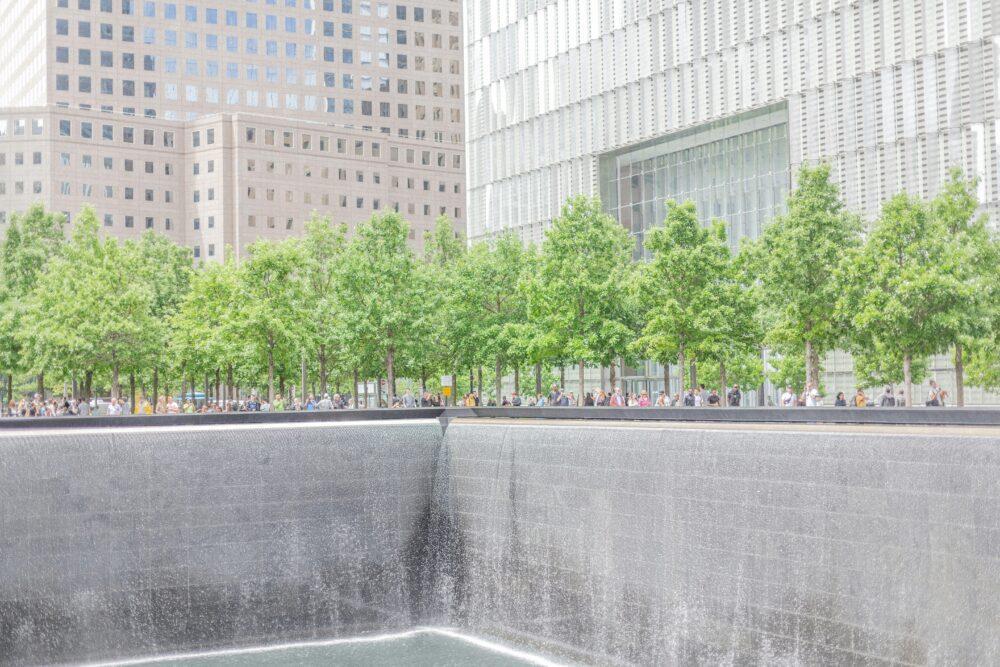
There are certain days that divide time into two clear halves: before and after. September 11, 2001, is one of those days. For those of us who lived through it, the memory is not just historical—it is personal. It lives in the quiet pauses, in the way our voices soften when we speak about it, and in the sudden stillness that arrives every year when the date returns.
It was a day that began like any other. People woke up late for work, packed lunches, dropped children off at school, complained about traffic, answered emails, and planned ordinary futures. No one knew that within hours, the world would change. No one knew that thousands of people were living the final morning of their lives.
We remember where we were. That is one of the defining truths of September 11. Whether we were sitting in classrooms, standing in office break rooms, watching television at home, or hearing whispers in hallways, the moment we learned something terrible had happened is frozen in time. The images did not feel real. They felt like something scripted, something impossible. But the realization slowly crept in—this was real. This was happening. And people were dying.
The Weight of Witnessing
For many, witnessing 9/11 did not mean being physically present in New York, Washington, D.C., or Pennsylvania. It meant watching from afar and still feeling the emotional gravity of the moment. Televisions became windows into grief. Radios carried voices that trembled. News anchors struggled to maintain composure as the unimaginable unfolded.
We witnessed confusion turn into horror. We witnessed fear spread across cities, states, and the entire country. We witnessed strangers holding each other in the streets, firefighters running toward danger, and families desperately searching for answers.
Even those who were children at the time absorbed the emotional tone of the day. We saw adults cry who we had never seen cry before. Teachers paused lessons. Offices stopped functioning. The usual rhythm of life halted.
Witnessing that day reshaped our understanding of safety. It taught us that tragedy does not always announce itself in advance. It can arrive on an ordinary Tuesday morning.
And once it arrives, nothing feels ordinary again.
Remembering the Lives Behind the Numbers
It is easy, over time, for tragedy to become reduced to numbers. Thousands lost. Thousands injured. Thousands forever changed. But those numbers were people. They were mothers and fathers, sons and daughters, coworkers, friends, and neighbors.
They were the person who made someone laugh every morning.
They were the person who called their mother every Sunday.
They were the person who had plans for dinner that night.
They were the person who said goodbye without knowing it was the last time.
They were firefighters who ran into buildings knowing they might not come out. They were passengers who made impossible decisions in impossible circumstances. They were office workers who showed up for another day, expecting nothing more than meetings and deadlines.
Their lives did not end as statistics. They ended as stories interrupted.
To remember them is to remember their humanity.
What We Lost in Ourselves
Beyond the physical loss, there was an emotional and psychological loss that many still carry. Something inside us shifted that day. For some, it was innocence. For others, it was a sense of permanence, the quiet belief that tomorrow was guaranteed.
Before 9/11, the world felt more predictable. After 9/11, unpredictability became part of our collective awareness.
Airports no longer felt casual. Skies no longer felt neutral. Sirens sounded different. News alerts carried heavier meaning.
We became more aware of vulnerability—our own and each other’s.
Many people also discovered grief for strangers, something they had never experienced before. We mourned people we had never met because we recognized ourselves in their ordinary lives. We recognized how easily any life can be interrupted.
That awareness has stayed with many of us ever since.
The Power of Collective Grief
One of the most defining aspects of that day was how grief became shared. Strangers comforted strangers. Communities gathered in silence. Candlelight vigils filled parks and sidewalks. Churches, mosques, synagogues, and community centers opened their doors.
There was a rare and powerful sense of unity. People checked on neighbors. People called family members just to hear their voices. People paused to acknowledge what mattered most.
In the midst of devastation, compassion became visible.
It reminded us that humanity does not disappear in tragedy. Often, it becomes more visible.
We saw courage in first responders. We saw bravery in ordinary citizens. We saw kindness in small gestures—holding doors, offering rides, simply standing beside someone who did not want to be alone.
These moments did not erase the pain, but they reminded us of the strength that exists within people.
The Lessons That Remain
More than two decades later, the lessons of that day continue to echo.
Life is fragile.
The future we assume is not always promised. The conversations we postpone, the apologies we delay, and the love we fail to express can become regrets.
Connection matters more than productivity.
On September 10, many people worried about deadlines, meetings, and minor frustrations. On September 11, none of those things mattered. What mattered were people.
Courage exists in ordinary people.
Firefighters, police officers, office workers, and passengers showed extraordinary bravery. They were not superheroes. They were human beings who chose courage in moments of fear.
Kindness is never wasted.
The small acts of compassion people offered each other did not go unnoticed. They became anchors during uncertainty.
We carry memory as responsibility.
To remember is to honor. It ensures that those who were lost are not erased by time.
The Emotional Echo That Never Fully Leaves
For many, the memory of 9/11 is not something that fades completely. Certain sounds, images, or conversations can bring it back instantly. Each anniversary carries a quiet heaviness. Each year, people pause—even if only for a moment.
Some remember loved ones directly. Others remember the emotional imprint left behind.
There is also a generational shift happening. There are now adults who were born after 2001, who know the day only through textbooks and documentaries. For them, it is history. For those who witnessed it, it is memory.
This makes remembrance even more important.
Because memory fades when it is not spoken.
Because stories disappear when they are not shared.
Because honoring the past helps preserve humanity in the present.
Choosing to Remember With Intention
Remembering 9/11 is not only about revisiting pain. It is also about honoring resilience, courage, and compassion. It is about recognizing how communities came together. It is about acknowledging the lives that mattered.
It is also about reflecting on how we live now.
Do we tell people we love them often enough?
Do we extend kindness when we can?
Do we recognize how fragile and valuable life is?
Tragedy taught us these lessons, but remembrance helps us keep them.
Carrying Their Memory Forward
“Never forget” is more than a phrase. It is a commitment. It is a promise that the lives lost will not be reduced to a distant headline. It is a recognition that their existence mattered and continues to matter.
We carry their memory in quiet ways. In moments of silence. In conversations with our children. In visits to memorials. In the simple act of pausing each year.
We also carry the memory in how we choose to live—with more awareness, more compassion, and more appreciation for the ordinary moments we once took for granted.
September 11 reminded us how quickly everything can change. But it also reminded us how deeply people are capable of loving, helping, and standing beside one another.
We remember those we lost.
We remember who we were before.
And we honor who we became after.
Discover more from Connected Woman Magazine
Subscribe to get the latest posts sent to your email.