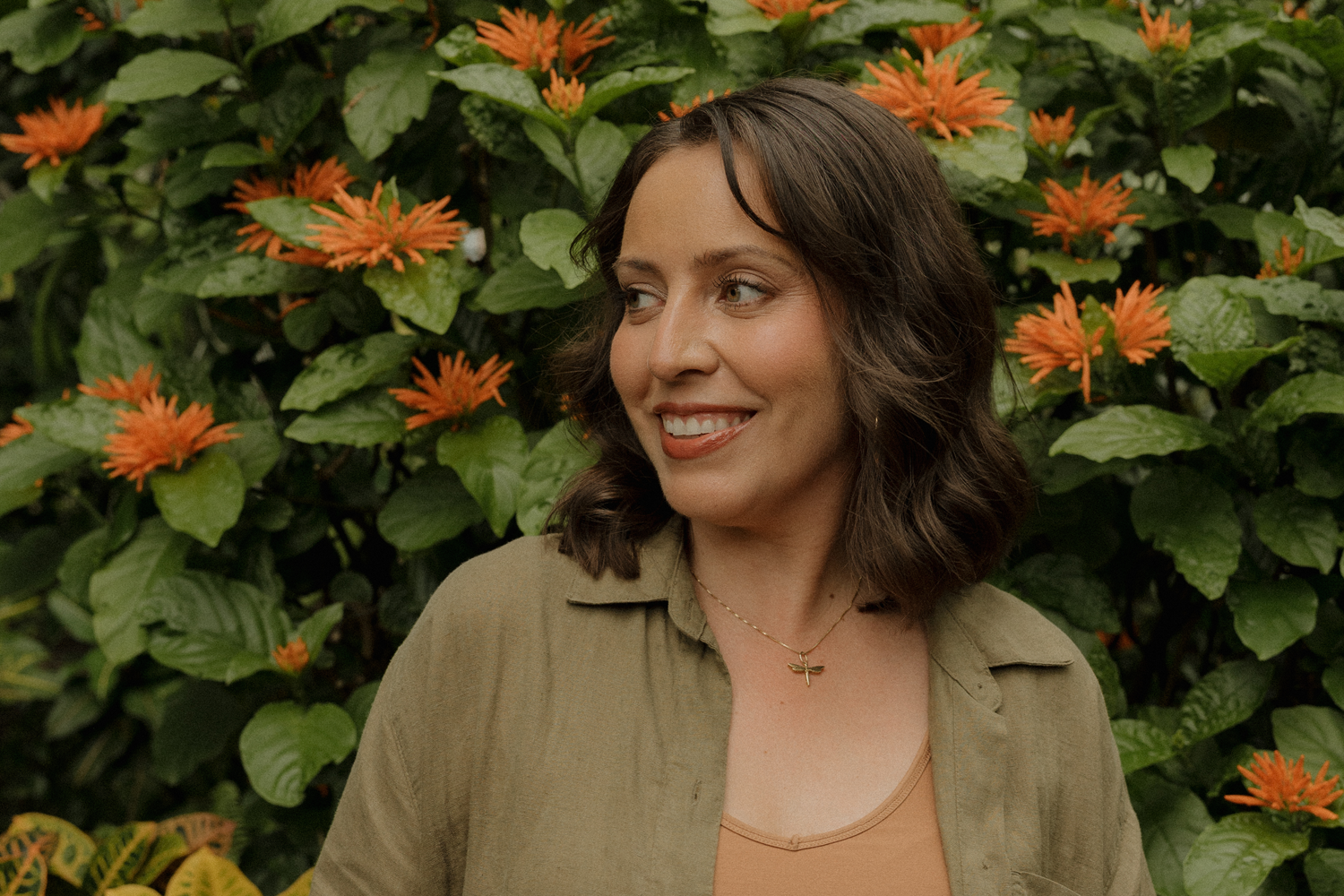
For Krystal Duran, plant care became a journey through grief, growth, community, and unexpected healing.
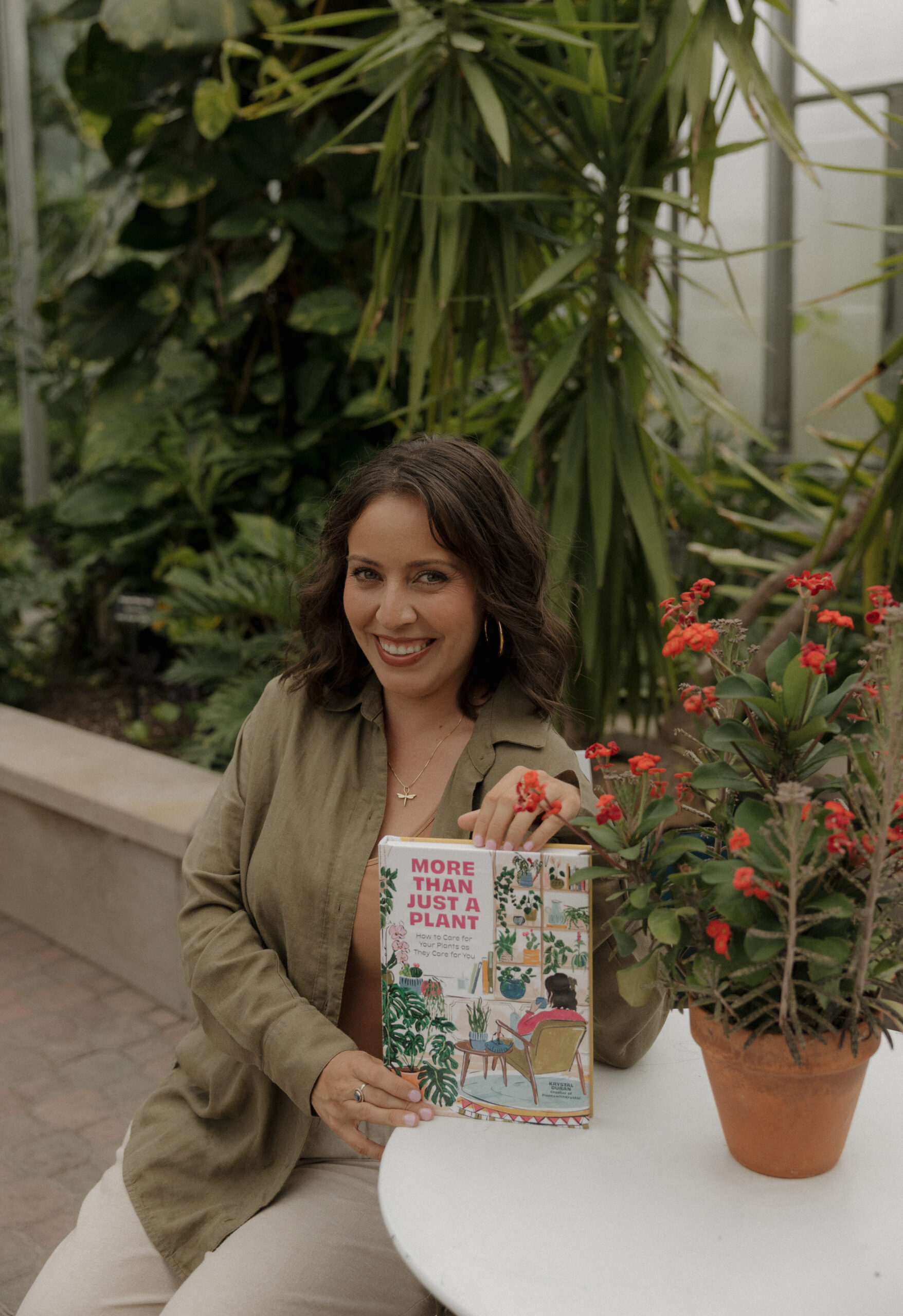
For Krystal Duran, plants have always represented something much deeper than beautiful greenery. As the creative force behind Plants with Krystal, she has built a thriving community around making plant care approachable, enjoyable, and deeply personal. Now, she’s taking that connection from the screen to the page with her first book, More Than Just a Plant, releasing November 3. Blending practical plant care, creative projects, personal stories of grief and growth, and the unexpected ways plants can bring people together, Krystal invites readers to discover what can happen when we nurture something—and allow ourselves to be nurtured in return. We connected with Krystal to talk about her love of plants, the vulnerability behind her new book, and how cultivating a little green can sometimes help us grow, too. Let’s meet her…
Your upcoming book, More Than Just a Plant, suggests in its title that our relationships
with plants can extend far beyond simply keeping something green and alive. What does
“more than just a plant” mean to you personally, and when did you first realize that plants
had become something deeper in your own life?
For me, “more than just a plant” is really about everything a plant can represent beyond just being something pretty in your home.
I got into plants because I genuinely loved them and wanted to learn how to keep them alive. I wanted a hobby that could bring me calm but somewhere along the way, they became connected to so many different parts of my life. They became memories of people and places. They gave me something to get excited about. And during some of the hardest moments of my life, they gave me something small to care for when taking care of myself felt a lot harder.
There is something really special about waking up and seeing a new leaf or realizing that a propagation finally has roots. It seems like such a tiny thing, but sometimes those tiny things are exactly what you need.
I think that’s when I realized: This has never really been just about the plants.
You’ve shared parts of your grief journey openly with your online community, and that vulnerability prompted thousands of people to share their own stories of how plants helped them navigate difficult seasons. How did hearing those stories influence the direction of More Than Just a Plant, and were there any recurring themes that particularly stayed with you?
When I started talking more openly about grief, I honestly wasn’t expecting people to open up to me the way they did. People started telling me about the plant their mom gave them before she passed, or the garden they started after losing someone, or the one little plant they bought during a really difficult season of their life.
In the earliest time of my grief, I felt very alone but after hearing others stories, I remember thinking, okay…this isn’t just me. There are so many people who have found an escape alongside their plant. Plants are attached memories, healing, and signify different chapters of their lives to plants.
One thing I kept hearing was that caring for plants gave people something they could control when everything else felt completely out of their control. You might not be able to fix what’s happening in your life, but you can water something. You can repot something. You can put a cutting in water and watch roots grow.
Those stories really confirmed that I didn’t want this book to be solely a plant-care book. I wanted people to learn, obviously, but I also wanted them to feel a connection when they read it.
Grief and growth can exist alongside one another in complicated ways. In writing about your own experiences with grief, what did you discover about yourself that you may not have recognized before putting those experiences into words?
I realized that I had grown a lot more than I gave myself credit for.
When you’re actually living through grief, you’re not necessarily sitting there thinking, “Wow, look at all this personal growth!” You’re just trying to get through the day. Sometimes you’re literally just trying to get out of bed, answer a text, eat something, or do the next thing in front of you.
Writing about it made me look backward and realize how much has changed. I also learned that grief and joy aren’t opposites. I can miss someone deeply and still be excited about my life. I can grieve and laugh. I can carry sadness and still travel, create, dream bigger, and be really proud of what I’m building. That was a big realization for me.
Moving forward doesn’t mean you’re leaving someone behind. For me, it meant I could honor them in the way I chose to continue forward.
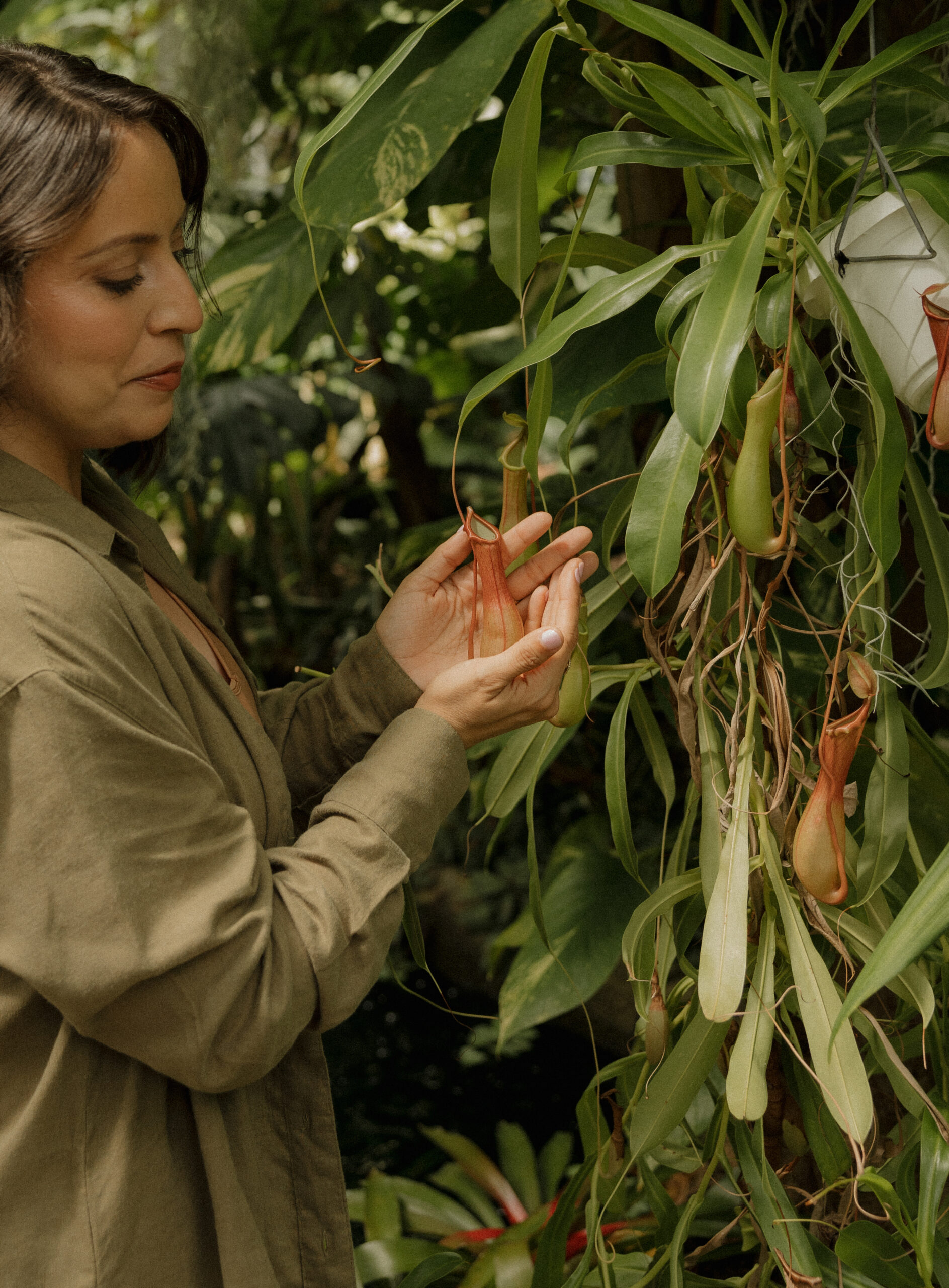 More Than Just a Plant combines practical plant care and projects with personal storytelling. How did you approach balancing the educational side of the book with the more vulnerable parts of your story, and what do you hope readers experience as they move between the two?
I really wanted the book to feel like spending time with me.
If you’ve watched my content, you know we’re going to learn about plants, but we’re probably also going to talk about life somewhere in there. That’s just naturally how I communicate.
I want you to learn why your plant is struggling, gain the confidence to try a project, maybe laugh a little, and then turn the page and read something that makes you stop for a second and think about your own life. Because that’s what plants have done for me. I can teach you how to care for a plant, but I also want to remind you to care for the person taking care of it, which is yourself.
Through Plants with Krystal, you’ve made plant care feel accessible, entertaining, and less intimidating. For someone who loves the idea of a plant-filled home but is convinced they have a “black thumb,” what do you think they misunderstand most about successfully caring for plants?
I don’t believe in black thumbs. I just think those thumbs haven’t had practice. I have killed A LOT of plants. The only difference is, I was just stubborn enough to not let it stop me. People see my house now and all these plants and assume I must have always been good at this. Absolutely not. I learned because I killed plants, figured out what went wrong, and tried again.
That’s probably the biggest thing people misunderstand. Being good at plants isn’t some magical gift you’re born with. Plant care is a skill, and skills can be learned. You don’t need to memorize everything. You just need to get curious. Why are those leaves yellow? What does the soil feel like? How much light is actually coming through that window? What is this plant trying to tell me? And please stop watering every Sunday just because it’s Sunday! Check your plant. Check the soil. Let the plant tell you what it needs. Start with one plant. Learn it. You’re going to mess something up eventually, and that’s okay. That’s how you learn.
There’s something incredibly symbolic about caring for a living thing—learning what it needs, recognizing when something isn’t working, pruning what is no longer healthy, and having patience while it grows. Have those lessons from plant care influenced the way you approach your own self-care and personal growth?
Oh, absolutely. There are so many plant lessons that accidentally became life lessons for me.
One of my favorites is that growth isn’t always visible. You can look at a plant for weeks and think it’s doing absolutely nothing, meanwhile underneath the soil it’s building this whole root system that you can’t see. As humans, we’re like that too. There have been periods of my life where I felt stuck, but looking back, I wasn’t stuck at all. I was building the roots for whatever was coming next. Plants have also taught me that sometimes you don’t need to “fix” yourself. Sometimes you need different conditions. Maybe you need more light. Maybe you need rest. Maybe you need support. Maybe you need to let something go. Maybe you just need time.
Plants have become a major part of interior styling and home design, but you encourage people to understand how to care for them as well. How can someone create a beautiful plant-filled home while choosing plants that realistically fit their space, lifestyle, experience level, and available time?
I always say: pick the space before you pick the plant.
We all do it backwards. We see some gorgeous plant at the nursery, fall in love with it, bring it home, and THEN start walking around the house going, “Okay so now where are you going to live?” Look at your space first. Where are your windows? What kind of light do you actually have? Are you somebody who wants to check your plants every morning? Great. There are plants for you. Do you travel constantly and forget you even own plants sometimes? There are plants for you too! And you don’t need 300 plants to have a plant-filled home. One beautiful statement plant can completely change a room. A trailing plant on a shelf can add so much life.
The goal isn’t to own the most plants. It’s to have plants that can actually be happy in your home and your lifestyle.
 Community is an important theme in More Than Just a Plant. What have plants taught you about human connection, and why do you think something as seemingly simple as a shared love of plants has created such meaningful conversations and relationships among people from completely different backgrounds?
This has probably been one of the biggest surprises of everything I’ve built.
I thought I was making plant videos. I didn’t realize I was building this huge community of people who would end up talking about life with each other. Plants make it really easy to start a conversation. Somebody says, “Oh my gosh, my grandma had that plant,” and suddenly we’re talking about their grandma. Someone else says, “I bought this plant when I got my first apartment,” and now we’re talking about independence and starting over. Plants sneakily are the doorway to guiding us in those conversations.
And I love that people who may have completely different lives, backgrounds, ages, beliefs, or experiences can still get excited together because somebody’s Monstera finally put out a new leaf. All it takes is one shared thing to remind us that we have more in common than we think.
Releasing your first book on November 3 marks a major new chapter for you and the Plants with Krystal brand. What was the most exciting—and perhaps most challenging—part of transforming years of plant knowledge, personal experiences, and community stories into a book you could finally hold in your hands?
The most exciting part is that it’s REAL. I’ve spent years making content that lives on people’s phones. A book feels so different. Someone can put this on their coffee table. They can write in it. They can come back to it five years from now. They can give it to somebody who’s going through a hard season. That means a lot to me.
The hardest part was figuring out how to take years of knowledge, hundreds of plants, personal stories, projects, grief, community, and take pieces and turn them into one cohesive thing. And the vulnerable parts were scary. Saying something online and putting something permanently on a printed page feel very different. Now seeing it become a physical book made me realize just how far this plant journey has taken me. I started by trying to keep houseplants alive. Somehow that grew into a community, a career, and now a book. That’s wild to me.
When someone finishes the final pages of More Than Just a Plant, whether they own 50 plants or are considering buying their very first one, what do you hope they understand differently about plants, grief, growth, community, and the importance of nurturing themselves along the way?
I hope they feel like they can do this.
If they’re scared of plants, I hope they feel confident enough to go buy one and try. If they already have 50 plants, I hope they look around their home and think a little more about what those plants represent and how far they’ve come alongside them. But beyond plants, I hope people walk away with more grace for themselves. You’re going to mess up. There are going to be seasons where you’re growing and thriving and seasons where it feels like absolutely nothing is happening. You don’t have to be thriving every second to still be growing.
And I think that’s ultimately what More Than Just a Plant means to me. Yes, I’m going to teach you how to take care of your plants. But hopefully somewhere along the way, they remind you to take care of yourself too.
Discover more from Connected Woman Magazine
Subscribe to get the latest posts sent to your email.