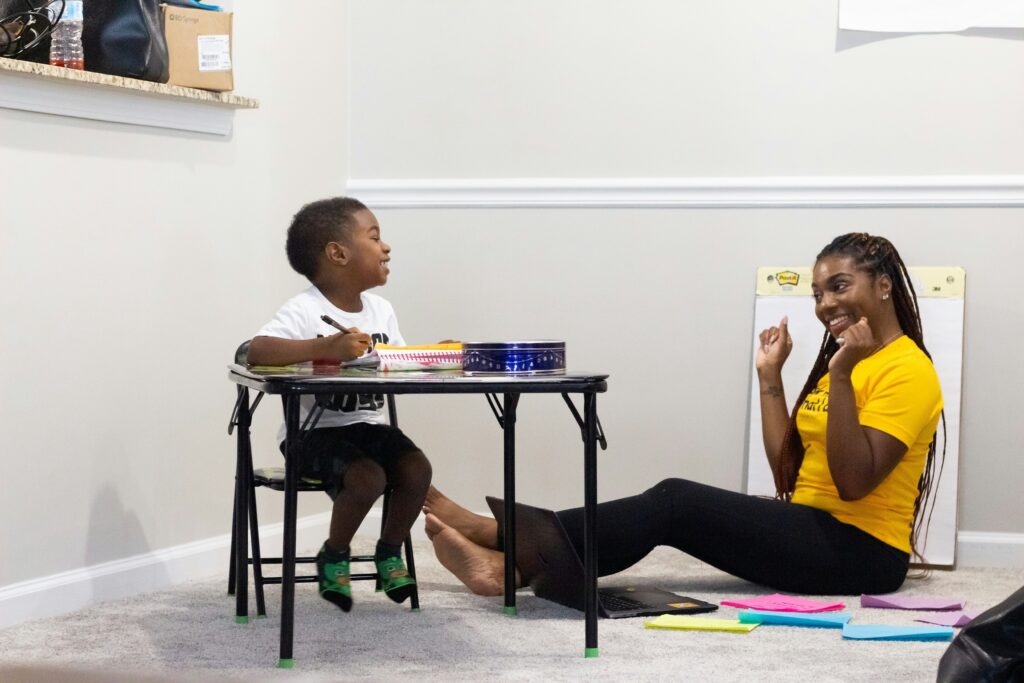
 For many women, homeschooling has shifted from being an unconventional educational choice to one that is seriously considered. Some mothers are drawn to the flexibility it offers, while others are motivated by concerns about school safety, academic quality, bullying, or wanting to spend more meaningful time with their children. Others simply recognize that their child learns differently than a traditional classroom allows.
At the same time, homeschooling isn’t simply a matter of buying curriculum and clearing off the dining room table. It requires commitment, patience, organization, and a willingness to continuously learn alongside your child.
The truth is, homeschooling isn’t the right fit for every family—and that’s perfectly okay.
Choosing to homeschool shouldn’t come from guilt, pressure from social media, or because another family makes it look effortless online. It should come from thoughtful reflection about what is best for your child and what is sustainable for your family.
If you’ve been wondering whether homeschooling is right for you, here are some important questions to ask yourself before making the decision.
Why Do I Want to Homeschool?
Before purchasing supplies or joining homeschool Facebook groups, take an honest look at your motivation.
Are you homeschooling because your child is struggling academically?
Are they being bullied?
Do they have special educational needs that aren’t being met?
Do you want more flexibility for travel or family life?
Do you simply enjoy the idea of teaching your children yourself?
Or are you reacting emotionally after one difficult school year?
There isn’t necessarily a wrong reason to consider homeschooling, but understanding your “why” helps determine whether homeschooling is solving a long-term problem or simply reacting to a temporary one.
Your reasons will also help sustain you on the days when lessons don’t go as planned and everyone—including you—is frustrated.
Can Our Family Afford It?
This question isn’t just about curriculum.
For many families, homeschooling means one parent reduces work hours or leaves the workforce altogether.
That financial sacrifice can be significant.
Consider:
- Lost income
- Health insurance changes
- Retirement savings
- Household expenses
- Field trip costs
- Curriculum purchases
- Technology
- Educational memberships
- Sports or extracurricular activities
Many homeschooling families successfully live on one income, but it usually requires intentional budgeting and planning.
If leaving your job would create overwhelming financial stress, that stress may ultimately affect your homeschooling experience.
Being honest about finances doesn’t make you less committed to your children—it makes you realistic.
Do I Actually Have the Time?
Homeschooling isn’t a full-day classroom experience, but it does require daily consistency.
Lessons must be planned.
Assignments need reviewing.
Children need guidance.
Meals still have to be cooked.
Laundry still piles up.
Appointments still happen.
If you already feel overwhelmed balancing work, home responsibilities, caring for aging parents, church activities, and everything else on your plate, consider whether adding homeschooling will stretch you beyond your limits.
That doesn’t mean it’s impossible.
It simply means you’ll need a realistic support system.
Am I Patient Enough?
This may be one of the hardest questions to answer honestly.
Teaching your own child is very different from helping with homework.
Children often save their biggest emotions for the people they trust most.
Your sweet, cooperative child may suddenly become resistant when Mom becomes Teacher.
Likewise, you may discover that explaining long division for the fourth time tests your patience in ways you never expected.
Homeschooling requires emotional regulation—not perfection.
There will be tears.
There will be frustrating days.
There will also be incredible breakthroughs.
What Learning Style Fits My Child?
One of homeschooling’s greatest advantages is flexibility.
Not every child learns best by sitting quietly at a desk.
Some children learn through movement.
Others through discussion.
Some need visual demonstrations.
Others need hands-on activities.
Homeschooling allows education to be personalized rather than forcing every child into the same mold.
Understanding how your child naturally learns can make homeschooling significantly more enjoyable.
Am I Comfortable Learning New Things Too?
One misconception about homeschooling is believing you must already know everything.
You don’t.
Many homeschooling parents learn subjects alongside their children.
There are online courses, co-ops, tutors, educational apps, libraries, museums, community classes, and countless resources available today.
Your willingness to keep learning may matter more than already having every answer.
 Can I Handle Criticism?
Unfortunately, everyone seems to have an opinion about homeschooling.
Some people may tell you you’re sheltering your child.
Others may suggest you’re not qualified.
Family members may question your decision.
Friends may not understand.
On the flip side, some homeschooling communities can unintentionally make mothers feel guilty if they don’t follow certain philosophies or educational styles.
Remember that every family is different.
What works beautifully for one household may not work for yours.
How Will My Child Socialize?
This is perhaps the most common question homeschooling families hear.
The reality is that today’s homeschool students often participate in:
- Sports leagues
- Church youth groups
- Music lessons
- Volunteer work
- Co-op classes
- Community organizations
- Library programs
- Field trips
- Art classes
- Dance studios
Socialization doesn’t have to occur only inside a traditional classroom.
However, parents do need to be intentional about creating opportunities for friendships and healthy social interaction.
What Will I Need for Myself?
This question often gets overlooked.
Homeschooling mothers need support too.
You still need friendships.
Time alone.
Adult conversations.
Exercise.
Date nights.
Hobbies.
Rest.
It’s easy for your identity to become wrapped entirely around teaching your children.
Taking care of yourself isn’t selfish.
A healthier, happier mother creates a healthier learning environment.
Am I Willing to Adjust If It Isn’t Working?
Sometimes homeschooling works wonderfully.
Sometimes it works for a season.
Sometimes families return to traditional school.
Sometimes they choose private school, hybrid programs, online academies, or learning pods.
None of these choices represent failure.
Education should serve the child—not the parent’s pride.
Giving yourself permission to reevaluate removes unnecessary pressure.
Remember That Comparison Is Not Reality
Social media often portrays homeschooling as peaceful mornings filled with smiling children reading classic literature beside sunny windows.
Reality may include:
- Math books with spilled cereal.
- Science experiments that don’t work.
- Siblings arguing.
- Forgotten lesson plans.
- A toddler coloring on the history workbook.
- Everyone wearing pajamas until lunchtime.
Real homeschooling isn’t Pinterest.
It’s parenting combined with education.
There will be messy days.
There will also be unforgettable moments when your child suddenly grasps a difficult concept, discovers a new passion, or asks thoughtful questions that lead to incredible conversations.
Trust Yourself
Whether you choose homeschooling, public school, private school, charter school, or another educational path, remember this:
There is no universal “perfect” choice.
There is only the choice that best serves your child, your family, your finances, your mental health, and your circumstances right now.
Homeschooling can be an incredible journey filled with flexibility, curiosity, and connection. It can also be incredibly demanding and require sacrifices that not every family is in a position to make.
Neither decision makes you a better or worse mother.
The goal isn’t to win a debate about education.
The goal is to raise children who feel loved, supported, challenged, and prepared to thrive in whatever path life takes them.
Sometimes that path leads to homeschooling.
Sometimes it leads elsewhere.
Both can be beautiful when chosen with intention.
Let’s Continue the Conversation
Have you ever considered homeschooling your children, or are you already on that journey? What influenced your decision, and what lessons have you learned along the way? Share your experiences, challenges, and advice in the comments. Your story may encourage another woman who is trying to decide what educational path is right for her family.
Discover more from Connected Woman Magazine
Subscribe to get the latest posts sent to your email.

Connected Woman Magazine
Connected Woman Magazine is an online blog-style magazine created to inspire, empower, and connect women through authentic storytelling, meaningful conversations, and diverse perspectives. Covering topics ranging from entrepreneurship and career growth to wellness, relationships, lifestyle, and personal development, the platform highlights real women, real experiences, and the power of community while encouraging readers to share their journeys and connect with others.