
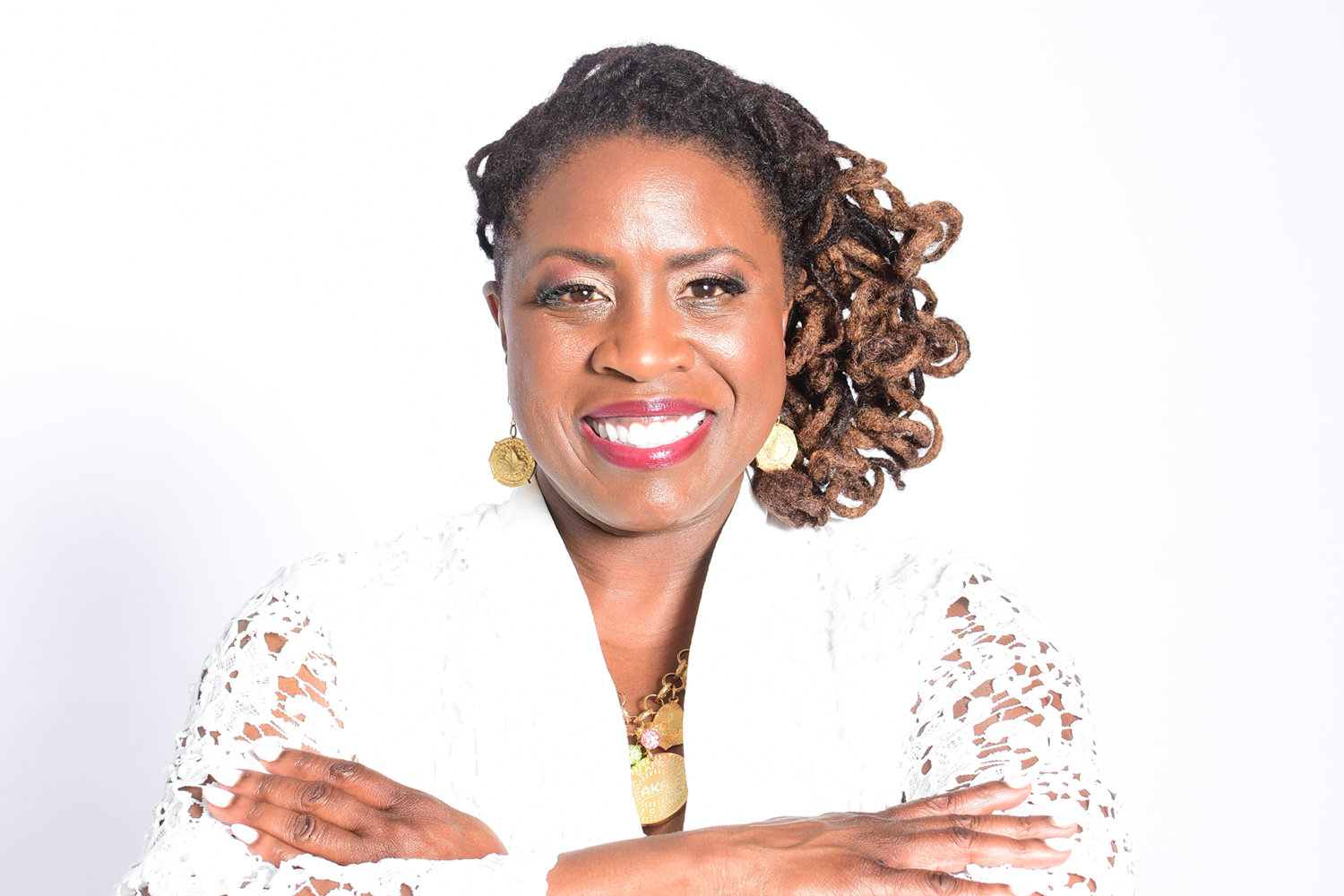
Discover how one woman’s journey from protecting family legacies to helping women reclaim their own lives is inspiring a movement rooted in faith, purpose, and lasting peace.
For years, Lynita Mitchell-Blackwell, Esq., CPA has dedicated her career to helping individuals and families build, protect, and preserve lasting legacies. As an estate planning attorney, Legacy Wealth Strategist, ordained minister, certified Christian life coach, seven-time bestselling author, and founder of The Legacy Light Path™, her work has empowered countless people to prepare for the future with confidence, clarity, and peace. Through her signature philosophy, Protect. Preserve. Peace.™, she reminds us that true legacy extends far beyond financial assets—it begins with the health, wholeness, and well-being of the person creating it.
In this inspiring conversation, Lynita Mitchell-Blackwell, Esq., CPA shares the heart behind her deeply personal new book, Prioritize You: A Survivor’s Guide to Loving Yourself Back to Life. She opens up about faith, healing, healthy boundaries, self-leadership, and why prioritizing yourself isn’t selfish—it’s sacred stewardship. Join us as she offers timeless wisdom for women seeking to reclaim their identity, honor their purpose, and build a legacy rooted in peace, resilience, and love. Let’s meet her…
Your career has uniquely blended law, finance, ministry, coaching, and authorship. Looking back on your journey, what experiences shaped your calling to serve women and families in such a multidimensional way, and how has that mission evolved over the years?
I didn’t set out to build a multidimensional career — I set out to be useful, and God kept expanding the definition of what that meant. It started with the law and the numbers, because I wanted families to have real protection, not just paperwork. But over twenty-one years of sitting across the table from people at their most vulnerable — planning for death, divorce, disability, the unexpected — I kept seeing the same truth: the legal document was never really the whole need. People needed someone to shepherd them through fear, guilt, grief, and hope, not just through a signature page. Ministry, coaching, and writing weren’t detours from the law — they were the natural next rooms in the same house. My mission has evolved from “help families protect what they have” to “help women become whole enough to know what’s actually worth protecting.”
You have built your career around helping families protect their financial and legal legacies through estate planning. What inspired you to expand that conversation into emotional, spiritual, and personal legacy, particularly through your Sacred Self-Leadership Movement?
I kept meeting brilliant, accomplished women who had airtight estate plans and completely depleted inner lives. They had protected their assets beautifully and neglected themselves entirely. That contradiction bothered me — what good is a flawlessly preserved inheritance if the woman leaving it never got to fully live? The Sacred Self-Leadership Movement grew out of that observation. It says legacy planning is incomplete if it only accounts for what you’ll leave behind and never addresses who you’re becoming while you’re here. Real legacy has to include the emotional and spiritual inheritance, not just the financial one.
Your signature philosophy, Protect. Preserve. Peace.™ has become synonymous with your work. How do those three principles apply not only to wealth and estate planning, but also to our relationships, emotional health, faith, and everyday decision-making?
Protect, Preserve, Peace was always meant to be bigger than a legal strategy. Protect means guarding what’s sacred — your time, your peace, your relationships, the people you love, not just your assets. Preserve means being intentional about what you nurture and pass on, whether that’s a healthy pattern in a marriage or a Scripture you speak over your children. Peace is the fruit of doing the first two consistently — it’s what happens when nothing important has been left unguarded or unattended. I use this framework when I’m advising a client on a trust, and I use the exact same framework when I’m deciding whether to say yes to something that will cost me my rest. It’s one philosophy for every room of life.
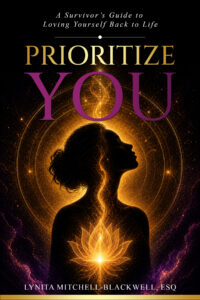 Prioritize You: A Survivor’s Guide to Loving Yourself Back to Life represents a deeply personal shift in your writing. What life experiences made you realize it was time to tell this story, and what did writing it teach you about yourself?
For years I wrote to equip other people, and I was good at staying behind the curtain of my professional expertise. But there came a point where I couldn’t keep encouraging women toward wholeness while hiding my own process of getting there. Writing Prioritize You forced me to sit in my own story instead of just narrating everyone else’s. It taught me that survival and self-abandonment can look identical from the outside — you can be functioning, achieving, even thriving by every external measure, and still be quietly disappearing. Naming that in my own life is what finally let me write the book with honesty instead of just authority.
Many women struggle with believing that putting themselves first is somehow selfish. Why do you believe prioritizing yourself is actually an act of faithful stewardship rather than self-indulgence, and how can women begin embracing that mindset without guilt?
Stewardship means taking responsibility for what’s been entrusted to you, and the first thing entrusted to any of us is ourselves. You cannot pour from a vessel you’ve refused to fill. When a woman rests, sets a boundary, or tends to her own healing, she isn’t taking something that belongs to someone else — she’s maintaining the very instrument God is going to use for everything else He’s called her to. I’d encourage women to start small and practical: choose one thing this week that restores you, and protect it the same way you’d protect an appointment you couldn’t reschedule. Guilt fades when you realize you’re not withholding from others — you’re finally qualifying to give to them sustainably.
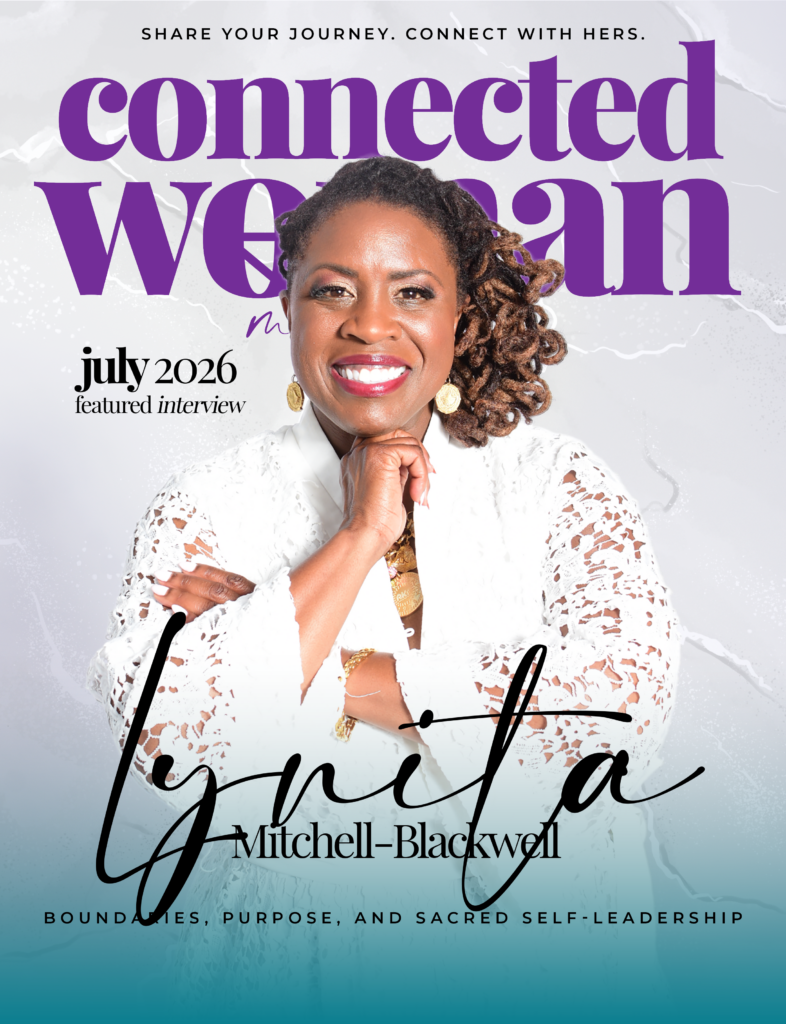
Throughout your work, you’ve helped countless families prepare for the future. In your experience, what are some of the most common emotional, spiritual, or relational obstacles that prevent people from protecting both their personal well-being and their family legacy?
Avoidance is the biggest one — people don’t want to think about mortality, conflict, or their own limitations, so they delay the very conversations that would bring them peace. Beneath that avoidance, I often find unresolved family dynamics: old resentments, unspoken favoritism, or fear of how a decision will be perceived. Spiritually, I see a lot of misplaced guilt — people feeling that planning for their own well-being or setting boundaries around their generosity is somehow unfaithful or unloving. In truth, clarity and boundaries are some of the most loving gifts you can leave behind, because they spare your family confusion and conflict later.
As both an attorney and an ordained minister, you’ve likely witnessed people at some of life’s most vulnerable moments. How have those experiences shaped your understanding of healing, forgiveness, and what truly matters when people reflect on the lives they’ve lived?
Sitting with families during estate planning and sitting with people in ministry are more similar than most would expect — both happen in rooms where pretense falls away. I’ve watched people confront old wounds with siblings while trying to divide an inheritance fairly. I’ve watched deathbed regrets center almost never on money, and almost always on relationships left unrepaired and words left unsaid. Those moments taught me that forgiveness isn’t a nicety you offer when you feel like it — it’s often the last piece of unfinished business standing between a person and real peace. What truly matters, when people are honest at the end, is always who they loved well and whether they made room for grace.
Boundaries are a central theme in your newest book. Why do you think so many women feel obligated to continually pour into others while neglecting themselves, and what practical steps can they take to establish healthy boundaries that honor both their faith and their purpose?
Many women were raised to equate their worth with their usefulness to others, and faith communities have sometimes reinforced that by praising sacrifice while staying silent on the cost of it. So a woman learns early that saying yes is godly and saying no is suspect. Practically, I encourage women to start by auditing their yeses — noticing which ones were freely given and which were extracted through guilt or fear. Then practice saying one honest no a week, even a small one, and let it be enough on its own without justifying it. Boundaries rooted in faith aren’t walls that shut people out; they’re the gates that let you keep giving without disappearing in the process.
Your work consistently bridges professional excellence with spiritual wisdom. How do you navigate maintaining credibility in the legal and financial world while remaining unapologetically rooted in your Christian faith?
I’ve never believed excellence and faith were competing languages — I think they’re actually the same language spoken in two rooms. In the courtroom or the boardroom, I show up prepared, precise, and professional, because that’s what my clients deserve and what my dual professions as an attorney and CPA require of me. But I don’t leave my faith at the door when I walk in. I bring it with me as the why behind the discipline. My credibility isn’t diminished by my faith — it’s fortified by it, because faith is what keeps me honest, thorough, and genuinely invested in the families I serve, not just the transactions. Protect. Preserve. Peace.™ isn’t a tagline I put on after the legal work is done. It’s the framework underneath the legal work itself.
Legacy is often associated with wealth or inheritance, but you’ve broadened its definition considerably. What do you hope women begin to understand about the legacy they are creating every single day through their choices, relationships, and self-care?
I want women to understand that legacy isn’t something you leave — it’s something you’re already living. Every boundary you set, every time you choose rest over depletion, every relationship you either nurture or release, you are actively writing the inheritance your children, your community, and even your own future self will receive. Legacy is not just the will and the estate plan; it’s the way you handled Tuesday. It’s whether you modeled self-abandonment or self-honor. Women carry this idea that legacy starts with a document. I want them to know it starts with a decision — made daily, often quietly — about whether they matter enough to protect.
As a certified Christian life coach, what patterns have you observed among women who have successfully reclaimed their identity after seasons of disappointment, trauma, or burnout? What qualities tend to unite those transformation stories?
The women I’ve watched truly reclaim themselves all share one uncomfortable starting point: they stopped negotiating with their own pain and finally named it. They didn’t skip to healing — they told the truth first. From there, I see a few consistent threads: they gave themselves permission to grieve what didn’t work out, they got fiercely intentional about who had access to them, and they anchored their identity in something sturdier than their circumstances — for these women, that anchor was their faith. And almost without exception, they stopped waiting for an apology, a comeback, or someone else’s timeline before they gave themselves permission to begin again.
Leadership often requires pouring into others while carrying tremendous responsibility yourself. How do you personally guard against burnout, maintain your own spiritual health, and practice the same principles you encourage others to embrace?
I had to learn this one the hard way, and honestly, that’s part of what birthed Prioritize You. I protect my mornings for prayer and quiet before I let the world’s demands in. I’ve become ruthless about boundaries — not because I don’t love the people and purpose I serve, but because I finally understood that depletion doesn’t make me more devoted, it makes me less effective. I also move my body daily; it’s non-negotiable stewardship of the only vessel I’ve been given. And I’ve had to accept that saying “not right now” to a good opportunity isn’t failure — it’s discernment. I can’t hand women a survivor’s guide to loving themselves back to life if I’m not living inside its pages myself.
You’ve authored seven bestselling books, each contributing to conversations about purpose, faith, leadership, and legacy. How has your voice as an author matured over time, and what message has remained constant throughout every chapter of your writing career?
My earlier work was more instructional — here’s how you protect your family, here’s how you structure your legacy, here’s the legal roadmap. Over time, my voice has gotten more personal and, honestly, more courageous. Prioritize You required me to write from inside my own story rather than only from my professional expertise. What has never changed, through all seven books, is the conviction that peace is possible — not the absence of hardship, but a steady, faith-rooted peace that holds even in the middle of it. Every book, no matter the topic, is ultimately teaching the same lesson: protect what matters, preserve what’s sacred, and walk in peace while you do it.
If a woman feels she’s spent years building everyone else’s dreams while quietly abandoning her own, what would you want her to know today about reclaiming her identity, rediscovering her purpose, and beginning again—regardless of her age or circumstances?
I would want her to know that the years she spent pouring into others were not wasted — but they were not meant to be the whole story either. There is no statute of limitations on becoming who you were created to be. Purpose doesn’t expire, and neither does she. I’d tell her that reclaiming herself doesn’t require a dramatic exit from everyone she loves; it requires a quiet, consistent decision to stop finishing last on her own list. Start small. Say one honest sentence to yourself today about what you want. Beginning again isn’t about age or timing — it’s about permission, and she already has it.
When people think of Lynita Mitchell-Blackwell decades from now—not simply as an attorney, CPA, minister, or bestselling author, but as a woman of faith and influence—what do you hope they will say about the legacy you left in the lives of others?
I hope they say she made peace accessible. Not the easy, surface-level kind, but the deep, faith-rooted peace that can hold grief and gratitude in the same hand. I hope they say she gave women permission — to protect themselves, to preserve their peace, to finally come first on their own list without guilt. And I hope they say that whatever letters followed my name, the thing that mattered most is that I helped people believe they were worth protecting — starting with themselves.
Any upcoming projects?
Prioritize You Retreat October 8 thru 12, 2026 Dawsonville, Georgia
https://prioritizeyouretreat.com/
How can our readers connect?
www.LynitaMitchellBlackwell.com
Getyourwillandtrustdonenow.com
and
Facebook.com/LynitaMitchellBlackwell
Instagram.com/LynitaMitchellBlackwellEsq
https://www.youtube.com/c/LynitaMitchellBlackwelllmb
https://www.threads.com/@lynitamitchellblackwellesq
LinkedIn.com/in/LynitaMitchellBlackwell
Tiktok.com/@lynitamitchellblackwell?_t=8dltRMSWvOt&_r=1
Discover more from Connected Woman Magazine
Subscribe to get the latest posts sent to your email.