
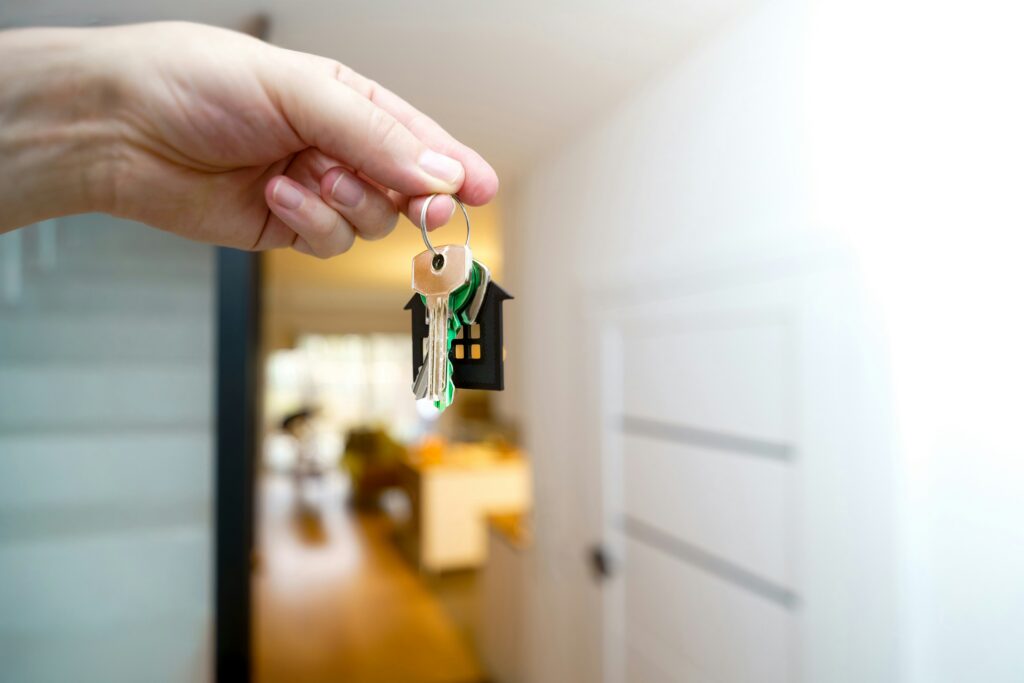
 For generations, many women were taught to view homeownership as something that came after marriage. The image was often painted the same way: meet someone, get married, combine incomes, buy the house, build the life. But today, more single women are realizing something powerful: you do not have to postpone stability, peace, wealth-building, or your dream home while waiting for a relationship.
A house is not a reward for being chosen by someone else. It can be a decision you make for yourself.
Single women across the country are buying homes on their own, creating beautiful spaces that reflect their personality, building equity, and proving that independence can also look like a set of keys in your own hand. Whether you are 28 or 58, whether you have children or not, whether you are dating, divorced, widowed, or happily single, homeownership is not reserved for couples.
You can prepare for it now.
Stop Waiting for Your Life to “Start”
One of the biggest mistakes women make is placing major life goals on pause while waiting for partnership. They delay buying furniture they love, traveling, investing, decorating, relocating, or purchasing property because they assume they should do it “with someone.”
But life is happening right now.
Waiting indefinitely for a partner before creating security for yourself can sometimes leave women emotionally, financially, and mentally stuck. There is nothing wrong with desiring love and companionship, but your future should not be completely dependent upon another person arriving first.
A healthy relationship should add to your life, not serve as permission for you to finally begin living it.
Buying a home solo can become one of the most empowering things a woman ever does because it forces her to trust herself, make informed decisions, and invest in her own future instead of waiting for someone else to build one with her.
Why Buying Solo Can Actually Be a Smart Move
Many women assume buying alone is impossible financially, but there are advantages to purchasing a home independently.
You Make Decisions Based on Your Needs
You do not have to compromise on location, design style, commute preferences, office space, or lifestyle priorities. You get to create a home that supports your vision for your life.
Want a reading room? A glam office? A peaceful backyard garden? A pink kitchen? A creative studio? A wellness room? You can design a life that reflects you without needing approval from anyone else.
You Build Equity Instead of Waiting
Renting forever while waiting for “the right relationship” can sometimes delay long-term wealth building. Every mortgage payment you make toward a home you own may help build equity over time instead of simply paying someone else’s property investment.
You Learn Financial Confidence
Buying a home teaches budgeting, negotiation, planning, and long-term financial discipline. Even preparing for homeownership can strengthen your relationship with money in life-changing ways.
You Create Stability for Yourself
There is something emotionally grounding about knowing you have created a safe place for yourself. Homeownership is not just financial. It can also represent security, peace, freedom, and independence.
How to Start Preparing to Buy a Home Solo
You do not need to have everything perfectly figured out to begin preparing. You simply need to start intentionally.
For generations, many women were taught to view homeownership as something that came after marriage. The image was often painted the same way: meet someone, get married, combine incomes, buy the house, build the life. But today, more single women are realizing something powerful: you do not have to postpone stability, peace, wealth-building, or your dream home while waiting for a relationship.
A house is not a reward for being chosen by someone else. It can be a decision you make for yourself.
Single women across the country are buying homes on their own, creating beautiful spaces that reflect their personality, building equity, and proving that independence can also look like a set of keys in your own hand. Whether you are 28 or 58, whether you have children or not, whether you are dating, divorced, widowed, or happily single, homeownership is not reserved for couples.
You can prepare for it now.
Stop Waiting for Your Life to “Start”
One of the biggest mistakes women make is placing major life goals on pause while waiting for partnership. They delay buying furniture they love, traveling, investing, decorating, relocating, or purchasing property because they assume they should do it “with someone.”
But life is happening right now.
Waiting indefinitely for a partner before creating security for yourself can sometimes leave women emotionally, financially, and mentally stuck. There is nothing wrong with desiring love and companionship, but your future should not be completely dependent upon another person arriving first.
A healthy relationship should add to your life, not serve as permission for you to finally begin living it.
Buying a home solo can become one of the most empowering things a woman ever does because it forces her to trust herself, make informed decisions, and invest in her own future instead of waiting for someone else to build one with her.
Why Buying Solo Can Actually Be a Smart Move
Many women assume buying alone is impossible financially, but there are advantages to purchasing a home independently.
You Make Decisions Based on Your Needs
You do not have to compromise on location, design style, commute preferences, office space, or lifestyle priorities. You get to create a home that supports your vision for your life.
Want a reading room? A glam office? A peaceful backyard garden? A pink kitchen? A creative studio? A wellness room? You can design a life that reflects you without needing approval from anyone else.
You Build Equity Instead of Waiting
Renting forever while waiting for “the right relationship” can sometimes delay long-term wealth building. Every mortgage payment you make toward a home you own may help build equity over time instead of simply paying someone else’s property investment.
You Learn Financial Confidence
Buying a home teaches budgeting, negotiation, planning, and long-term financial discipline. Even preparing for homeownership can strengthen your relationship with money in life-changing ways.
You Create Stability for Yourself
There is something emotionally grounding about knowing you have created a safe place for yourself. Homeownership is not just financial. It can also represent security, peace, freedom, and independence.
How to Start Preparing to Buy a Home Solo
You do not need to have everything perfectly figured out to begin preparing. You simply need to start intentionally.
- Get Honest About Your Finances
- Your current income
- Monthly expenses
- Debt
- Credit score
- Savings habits
- Spending patterns
- Improve Your Credit Score
- Mortgage approval
- Interest rates
- Loan options
- Monthly payments
- Pay bills on time
- Reduce credit card balances
- Avoid opening unnecessary accounts
- Dispute inaccuracies on your report
- Keep older accounts open when possible
- Start a “House Fund”
- Down payment
- Closing costs
- Inspections
- Emergency repairs
- Moving expenses
- Learn About First-Time Homebuyer Programs
- Down payment assistance
- Lower interest rates
- Reduced closing costs
- Credit guidance
- Reduce Lifestyle Pressure
- A townhouse
- A condo
- A smaller starter home
- A fixer-upper in a growing area
- Learn Basic Home Maintenance Skills
- How to shut off water valves
- Basic budgeting for repairs
- How to find reliable contractors
- Seasonal home maintenance
- Emergency preparedness
- Stop Assuming You Need Two Incomes
- Build a Support Team
- A financial advisor
- Mortgage lender
- Real estate agent
- Attorney
- Trusted homeowners
- Family members or friends with experience
10 Tips to Help You Save for a House Deposit
It can be a struggle to save money to put a deposit down on a house. It can take years of saving to come up with enough for a deposit for a home. Shorten the time it takes you to save up by using these tips each day.Turn these tips into daily habits and see your savings grow more quickly:
- Set up a standing order. Rather than relying on your own good intentions to save money each month, set up a standing order at your bank or with your employer to ensure money is put into an account every month without you even having to think about it.
- Try to cut back on buying frivolous things. Do you really need that Netflix subscription? What about the number of meals you eat out each month – could they be cut back?
- Once you take control of your finances by sitting down and looking at your bank statements, you will see how much money you spend on purchases that you don’t even get much enjoyment from.
- Find a new savings account. If you’ve had the same savings account for several years, you may find that you’re not getting as much interest on your savings as you would in a different account. It’s worth shopping around to see what accounts are available.
- Set goals for your savings. To save a large amount of money, it helps to break it down into more manageable amounts. This will help keep you motivated as the savings are realistic and tangible. These small goals will add up to something much more substantial over time.
- Sell your unwanted items. Your rubbish may be someone else’s treasure, so it is worth setting aside some time to sort out your current home and to sell any unwanted items. Start off with one room at a time. When you’re done, add the money that you get from selling the items to your savings account.
- Save money by buying in bulk. Consider buying certain items in bulk. If you have storage space, you can save a lot of money. Consider using generic items as well, as these are often less expensive than more popular brands.
- Rent somewhere cheaper. Saving money for a deposit may require drastic action, such as moving into a less expensive rental property.
- Lower your expectations. Perhaps you can begin home ownership with a smaller property, rather than your dream home. Once you are on the property ladder, it’s often easier to save for a larger property.
- Stick to a budget. When you plan your expenses for the month, you’ll know how much you are able to save. It will show how much money you need to pay those bills, plus how much disposable income you have. You can set your disposable money aside for the deposit.
- Consider a lodger. Do you have a spare room in your property? If you do, then you could ask your landlord if they would allow you to rent this room to a new tenant. This will help subsidize the cost of your own rent and allow you to save money.
- “What if I end up alone?”
- “What if I can’t afford it?”
- “What if something breaks?”
- “What if I make the wrong decision?”
Discover more from Connected Woman Magazine
Subscribe to get the latest posts sent to your email.