
 A Necessary Conversation About Misplaced Hate, Broken Loyalty, and How We Show Up for Women in Real Time
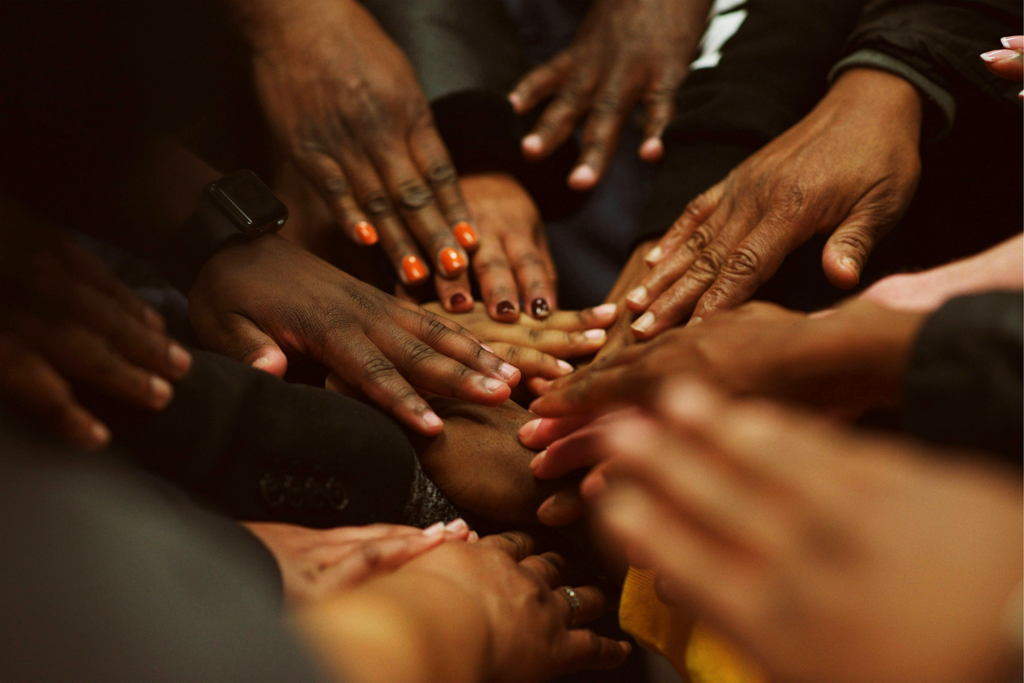 A Necessary Conversation About Misplaced Hate, Broken Loyalty, and How We Show Up for Women in Real Time
Not just a rhetorical question, but a real one. Because when you look at the public treatment of Megan Thee Stallion—especially in the aftermath of the highly publicized situation involving Tory Lanez and more recently her breakup with Klay Thompson—you begin to notice a pattern that has very little to do with her… and everything to do with us.
The commentary has been relentless. The doubt, the jokes, the think pieces, the thinly veiled disdain disguised as “just asking questions.” And what’s more revealing than anything is not just the criticism from men—but the participation of women in that criticism. Women who, in theory, should understand vulnerability. Women who, in real life, are navigating their own versions of heartbreak, betrayal, and being misunderstood.
So again, the question stands: What did she do to you?
Because when the answer is stripped down to its core, what we often find is this—she didn’t do anything to you at all. What she did was exist in a way that made something uncomfortable rise up within you.
And that’s where the real conversation begins.
When a Woman’s Pain Becomes Public Entertainment
There is something deeply unsettling about the way society consumes the pain of women—especially Black women—as content. It’s dissected, debated, doubted, and turned into memes before it’s ever treated with care.
When Megan spoke about her experience, it wasn’t just her voice on trial—it was her credibility, her character, her past, her body, her success, her sexuality. Everything became fair game. And even after legal outcomes, even after time passed, the court of public opinion remained loud, divided, and often cruel.
But here’s the uncomfortable truth: this doesn’t just happen to celebrities.
It happens every day in smaller, quieter ways.
It happens when your friend tells you what happened in her relationship and instead of support, she’s met with interrogation.
It happens when a woman shares her truth and the first instinct is to ask what she did to deserve it.
It happens when empathy is withheld because someone doesn’t “like” how she lives her life.
And suddenly, her pain becomes conditional.
The Thin Line Between Love and Hate
There’s a phrase people throw around casually: “It’s a thin line between love and hate.”
But what we’re witnessing in real time is something deeper than that. It’s not just about love turning into hate—it’s about admiration turning into resentment. Support turning into skepticism. Sisterhood turning into silent competition.
Because for some women, it’s easier to critique another woman than to confront what her story triggers internally.
Let’s be honest:
- Some people struggle to support women who are confident and vulnerable.
- Some feel threatened by women who are successful but still human.
- Some cannot reconcile the idea that a woman can be both strong and deserving of protection.
So instead, they pick her apart.
They question her choices.
They minimize her experiences.
They look for inconsistencies to justify their lack of empathy.
And all of it reveals more about them than it ever will about her.
When Women Don’t “Stick Beside Her”
One of the most telling parts of these moments isn’t the criticism from men—it’s the silence, skepticism, or outright dismissal from other women.
Because we love to talk about “girl power” and “women supporting women” when it’s convenient. When it’s aesthetic. When it’s trending.
But real support? Real loyalty? That shows up when it’s uncomfortable. When it’s messy. When the woman in question doesn’t fit neatly into a box of perfection.
And that’s where many people fall short.
Because supporting women is easy when they are:
- likable
- agreeable
- relatable in ways that don’t challenge us
But what about when they are:
- outspoken
- sexual
- flawed
- still figuring things out
Do we still show up?
Or do we distance ourselves to protect our own image?
The Role of Jealousy We Don’t Want to Admit
Let’s talk about something people rarely want to name directly: jealousy.
Not always in the obvious, loud way—but in the subtle, quiet ways that influence behavior.
Jealousy can look like:
- downplaying another woman’s success
- questioning her experiences
- withholding empathy because “she’ll be fine”
- secretly feeling validated when she goes through something difficult
And in the context of public figures like Megan, jealousy often gets disguised as moral critique.
People will say:
- “She should have known better.”
- “That’s what happens when you…”
- “I just don’t feel sorry for her.”
But underneath those statements is often an unspoken sentiment:
“She had something I don’t—and I don’t know how to process that.”
So instead of addressing that feeling, it turns into judgment.
Male-Centered Thinking and Its Impact
Another layer to this conversation is male-centered thinking—the tendency to prioritize male perspectives, approval, and narratives even when women are the ones affected.
This shows up when:
- women defend men at the expense of other women
- women require “proof” before offering basic empathy
- women align themselves with male opinions to feel validated
In situations like Megan’s, this often looks like people bending over backwards to rationalize or defend male behavior while scrutinizing her response.
And that’s not accidental.
It’s learned.
From a young age, many women are conditioned to:
- see other women as competition
- prioritize male attention and validation
- question women’s credibility before questioning men’s actions
So when a situation arises, those patterns don’t just disappear—they show up in real time.
Discernment vs. Distrust
Now, let’s be clear: having discernment is important.
Not every story is black and white. Not every situation is simple. And yes, critical thinking matters.
But there is a difference between discernment and distrust.
Discernment says:
- “I may not know everything, but I can still approach this with empathy.”
Distrust says:
- “I don’t believe her—and I’m comfortable saying that publicly.”
Discernment leaves room for humanity.
Distrust often strips it away.
And the problem arises when people confuse skepticism with intelligence.
Because constantly doubting women—especially when they speak about harm—is not a sign of wisdom. It’s often a reflection of bias.
How This Shows Up in Real Life
If you think this conversation is just about celebrities, look a little closer.
This dynamic plays out every day in our personal lives.
In Friendships
A friend shares that she’s going through something difficult, and instead of support, she’s met with subtle blame:
- “Well, you knew how he was…”
- “Why would you even deal with him?”
In Families
A sister or daughter speaks up about her experiences, and the response is:
- “Are you sure that’s what happened?”
- “You don’t want to ruin his life…”
In Workplaces
A woman expresses discomfort or mistreatment, and people question her tone, her timing, her delivery—everything except the behavior itself.
In all of these scenarios, the question still applies:
What did she do to you?
Because often, the lack of support has nothing to do with her actions—and everything to do with the listener’s internal biases.
The Cost of Withholding Empathy
When women fail to support other women, the cost is bigger than we think.
It creates environments where:
- women feel unsafe sharing their experiences
- harmful behavior goes unchecked
- trust between women erodes
And over time, it reinforces the very systems that harm us.
Because when women don’t believe women, it sends a message:
You’re on your own.
And that’s a dangerous place to be.
Relearning How to Show Up
So what does it look like to do better?
It starts with self-awareness.
Instead of immediately reacting, ask:
- Why does this situation make me uncomfortable?
- Am I responding with empathy or judgment?
- Would I want to be treated this way if the roles were reversed?
It also requires intentional action.
Supporting women doesn’t mean blind loyalty—it means:
- listening without rushing to judgment
- offering empathy even when you don’t fully understand
- resisting the urge to publicly tear down another woman
And perhaps most importantly, it means recognizing that support isn’t always loud—but it should never be absent.
You Don’t Have to Like Her to Respect Her Humanity
Here’s something that needs to be said plainly:
You don’t have to like every woman to treat her with empathy.
You don’t have to agree with her choices.
You don’t have to relate to her lifestyle.
You don’t have to be a fan.
But basic humanity should not be conditional.
Because when empathy is only extended to women who mirror our own lives, it stops being empathy—and becomes favoritism.
The Mirror We Don’t Want to Look Into
At the end of the day, the way people respond to women like Megan is less about her—and more about what her story reflects back to them.
It reveals:
- how comfortable people are with women’s vulnerability
- how they process other women’s success
- how deeply they’ve internalized harmful narratives
And for many, that reflection is uncomfortable.
Because it forces a question they may not want to answer:
If someone I cared about went through this, would I respond the same way?
So… What Did Meg Ever Do to You?
If we’re being honest, the answer for most people is simple:
Nothing.
She didn’t do anything to you.
But what her story did do was expose how we think about women, how we show up for them, and where we still have work to do.
And that’s not just about celebrities.
That’s about your friendships.
Your family.
Your community.
That’s about how you show up when it’s your friend, your sister, your daughter sitting across from you—sharing something that requires your empathy.
Because one day, it might be you.
And when that moment comes, the question won’t be about Megan.
It will be about whether the women in your life will stick beside you.
Discover more from Connected Woman Magazine
Subscribe to get the latest posts sent to your email.