
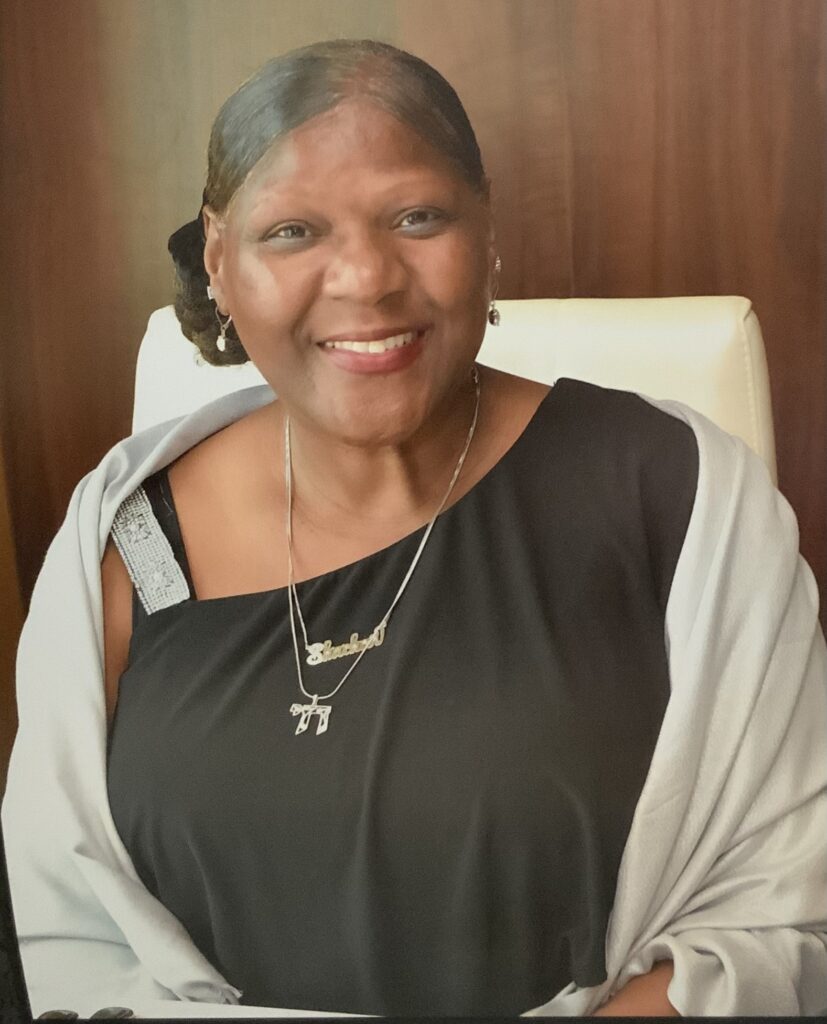
 For many women navigating chronic illness, the journey to being seen, heard, and properly diagnosed can feel like an uphill battle. In this powerful and deeply personal feature, we sit down with Dawn Green—author, advocate, and voice for those living with autoimmune disease. In her memoir Facing My Giants, Dawn shares the realities of a 35-year delay in diagnosis and the emotional toll of not being believed within the healthcare system. Through resilience, faith, and unwavering determination, she has transformed her experience into a mission to empower others to trust their voices, advocate for their health, and never stop seeking answers. Her story is not just one of survival—it’s a call to action. Let’s meet her…
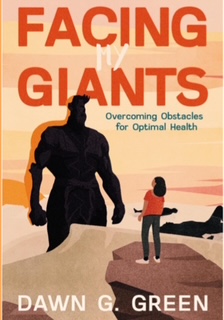 In your memoir Facing My Giants, you share a deeply personal journey marked by a 35-year delay in diagnosis. What was the emotional turning point that made you decide to finally tell your story publicly?
The emotionally turning point that made me finally tell my story publicly was the fact that I didn’t want others to have to suffer, due to delay in diagnosis, as I did. I was also urged by my family to tell my story now and not wait for the complete healing. I’m so glad I listened to them.
Living with chronic illness often involves being misunderstood or dismissed. Can you describe a moment when you felt unheard within the healthcare system, and how that experience shaped your advocacy?
The experience that shaped my advocacy was when I went to the doctor for the umpteenth time and was told that my labs showed that I was fine but my symptoms said otherwise. The weight of not being heard despite the fact that the signs of sickness were present, caused me to one day cry in the doctor’s office. It was then that I was given a referral to the psychiatrist. I instinctively knew then that my situation was not an isolated one but others must be going through this also.
Your background as a library media specialist spans over two decades. How has your professional experience influenced the way you research, process, and communicate complex health information?
My experience as a library media specialist has helped me to understand how to research by knowing which sources are credible. I’ve been trained and have taught others how to use online databases versus search engines for verifiable information. My training has helped me distinguish between academic research versus general info. I’m able to identify who the author is and his/her qualifications, I can immediately tell if the information is backed by evidence, lastly, I can also identify if there is bias or an agenda tied to the information.
The title Facing My Giants is powerful. What “giants” were the most difficult for you to confront—was it the illness itself, the medical system, or the emotional toll?
All of my giants were difficult. However, getting a diagnosis was the most difficult because although I knew my symptoms and what I was experiencing, I could not diagnose myself so I desperately needed the medical field to do their part so that I could get on with getting the physical help that I so desperately needed.
Many patients with autoimmune diseases struggle with delayed diagnoses. What do you believe are the biggest systemic barriers that contribute to this issue?
The biggest systemic barriers to delayed diagnoses is 1. Doctors not listening to their patients, 2. Autoimmune symptoms mimic many other symptoms so that it is usually attributed to a more familiar diagnosis, 3. Lastly, Lack of training in this very nuanced disease which oftentimes require both multiple testing and clinical judgment.
How did the long journey to diagnosis impact your identity—both personally and professionally?
The long journey to diagnosis impacted me in a very tremendous way. I was so excited and relieved to final get an answer that corroborated with my symptoms. I knew I was sick yet I was constantly told by the medical establishment that I was not. That stance affected me in a profound way. I felt unheard and dismissed as if my pain and suffering didn’t matter. Once the diagnoses came, I felt validated and empowered to start the healing process.
Advocacy requires both vulnerability and strength. How do you balance sharing your story while also protecting your emotional well-being?
I’m able to share my story and protect my emotional well-being because I know that my story is helping others. Making sure that at least one person doesn’t go through what I went through is monumental.
I’m willing to be vulnerable in order to help someone else.
You’ve been featured on international platforms discussing chronic illness. What message do you most hope resonates with listeners who are still searching for answers?
The message that I want to resonate with others is keep going do not give up. Be your own advocate and fight for the answers that you deserve. It took 35 years for me and I refused to quit until I got the answers that I needed regarding my health.
Receiving a gubernatorial proclamation for Autoimmune Awareness Month in Virginia is a significant honor. What did that recognition mean to you personally and for the broader autoimmune community?
Getting a gubernatorial proclamation let me personally know that there is much work to be done to bring awareness about autoimmune as an “invisible illness” and how it profoundly affects the individual and the caregiver. What it meant to the broader autoimmune community is that the issuance of the proclamation let those who live with autoimmune know that they are seen and heard.
For individuals currently navigating unexplained symptoms or medical dismissal, what practical steps would you recommend to help them advocate for themselves effectively?
The steps that I recommend have also been published in an article under my name at autoimmune.org. Those practical steps are: 1. keep a journal of your symptoms and how they are impacting you 2. Write out exactly what you want to say to your doctor about your health so that you can speak effectively without any emotions involved, 3. If you still feel unheard, seek out other medical professionals that will listen 4. Never give up!
Chronic illness doesn’t just affect the individual—it impacts families as well. How has your journey influenced your relationships with your husband and daughter?
I’ve had unexplained illnesses all of my married life and my husband has graciously been my caregiver helping me to navigate the darkest of times. When I reached a “tipping point” and could no longer work, he then became the sole financial provider which also took an emotional toll on him. The impact of chronic illness on families is astounding. My husband and daughter have experienced stress, anxiety and fear of the unknown. The delay in diagnosis made my young daughter think that she was losing me. I’m constantly reassuring her that I am working diligently to restore health to my body so that she will have her mom. Both have experienced helplessness of not knowing how to relieve me of the widespread pain.
There is often a mental and emotional toll that accompanies physical illness. How did you cope with the uncertainty and frustration during those years? without answers?
I coped with the uncertainty and frustration during those years of no answers by constantly searching for doctors who I thought could help me get to the bottom of my many physical challenges. The hunt for those doctors gave me a sense of accomplishments and an indication that I was on the road to finding the answers that I needed. While I waited for those answers, I would incorporate different healing modalities to try to bring some sort of relief. While I was searching, I prayed without ceasing because I unequivocally needed divine intervention.
What role did faith, personal reflection, or practices like studying Hebrew play in your healing or resilience journey?
Faith played a critical role because it allowed me to hope in someone other than my circumstances. It allowed me to focus on the one who created me and to boldly ask for his divine help when everything else seemed to elude me. Studying Hebrew took me to a whole different level because it is a spiritual language that originally came from the heart and soul of God. As my sickness progressed, I turned to Hebrew because I needed to learn a language that matched my pain. As I began to read, write, and speak this language my symptoms were no longer front and center. Every time I would experience pain, I would speak Hebrew out loud and the wonderment of me speaking this level five language at my age somehow temporarily made me forget what I was going through in that moment.
Looking back, is there anything you wish you had known earlier that could have changed the trajectory of your diagnosis or care?
Yes, I wish I knew exactly which tests I needed to determine that I had autoimmune disease in order to ask specifically for those tests from my doctors. Late-stage diagnosis poses a greater threat than if it is caught earlier.
As awareness around autoimmune disease grows, what changes would you most like to see in the future of healthcare to better support patients like yourself?
Over 50 million Americans have been diagnosed with an autoimmune condition, and countless more are still waiting for a diagnosis. Autoimmune disease presents differently in each individual. As awareness continues to grow, I would love to see the future of healthcare better understand what is driving this increasing trend. I hope to see more integrated care, stronger mental health support, and a healthcare system that truly listens to patients and responds to their unique symptoms. This includes advancing personalized and culinary medicine, taking a more holistic approach, and providing consistent, long term support for those living with autoimmune conditions.
How can our readers connect with you?
website: www.greenlivinginc.com
Instagram: Greenlivingllc
In your memoir Facing My Giants, you share a deeply personal journey marked by a 35-year delay in diagnosis. What was the emotional turning point that made you decide to finally tell your story publicly?
The emotionally turning point that made me finally tell my story publicly was the fact that I didn’t want others to have to suffer, due to delay in diagnosis, as I did. I was also urged by my family to tell my story now and not wait for the complete healing. I’m so glad I listened to them.
Living with chronic illness often involves being misunderstood or dismissed. Can you describe a moment when you felt unheard within the healthcare system, and how that experience shaped your advocacy?
The experience that shaped my advocacy was when I went to the doctor for the umpteenth time and was told that my labs showed that I was fine but my symptoms said otherwise. The weight of not being heard despite the fact that the signs of sickness were present, caused me to one day cry in the doctor’s office. It was then that I was given a referral to the psychiatrist. I instinctively knew then that my situation was not an isolated one but others must be going through this also.
Your background as a library media specialist spans over two decades. How has your professional experience influenced the way you research, process, and communicate complex health information?
My experience as a library media specialist has helped me to understand how to research by knowing which sources are credible. I’ve been trained and have taught others how to use online databases versus search engines for verifiable information. My training has helped me distinguish between academic research versus general info. I’m able to identify who the author is and his/her qualifications, I can immediately tell if the information is backed by evidence, lastly, I can also identify if there is bias or an agenda tied to the information.
The title Facing My Giants is powerful. What “giants” were the most difficult for you to confront—was it the illness itself, the medical system, or the emotional toll?
All of my giants were difficult. However, getting a diagnosis was the most difficult because although I knew my symptoms and what I was experiencing, I could not diagnose myself so I desperately needed the medical field to do their part so that I could get on with getting the physical help that I so desperately needed.
Many patients with autoimmune diseases struggle with delayed diagnoses. What do you believe are the biggest systemic barriers that contribute to this issue?
The biggest systemic barriers to delayed diagnoses is 1. Doctors not listening to their patients, 2. Autoimmune symptoms mimic many other symptoms so that it is usually attributed to a more familiar diagnosis, 3. Lastly, Lack of training in this very nuanced disease which oftentimes require both multiple testing and clinical judgment.
How did the long journey to diagnosis impact your identity—both personally and professionally?
The long journey to diagnosis impacted me in a very tremendous way. I was so excited and relieved to final get an answer that corroborated with my symptoms. I knew I was sick yet I was constantly told by the medical establishment that I was not. That stance affected me in a profound way. I felt unheard and dismissed as if my pain and suffering didn’t matter. Once the diagnoses came, I felt validated and empowered to start the healing process.
Advocacy requires both vulnerability and strength. How do you balance sharing your story while also protecting your emotional well-being?
I’m able to share my story and protect my emotional well-being because I know that my story is helping others. Making sure that at least one person doesn’t go through what I went through is monumental.
I’m willing to be vulnerable in order to help someone else.
You’ve been featured on international platforms discussing chronic illness. What message do you most hope resonates with listeners who are still searching for answers?
The message that I want to resonate with others is keep going do not give up. Be your own advocate and fight for the answers that you deserve. It took 35 years for me and I refused to quit until I got the answers that I needed regarding my health.
Receiving a gubernatorial proclamation for Autoimmune Awareness Month in Virginia is a significant honor. What did that recognition mean to you personally and for the broader autoimmune community?
Getting a gubernatorial proclamation let me personally know that there is much work to be done to bring awareness about autoimmune as an “invisible illness” and how it profoundly affects the individual and the caregiver. What it meant to the broader autoimmune community is that the issuance of the proclamation let those who live with autoimmune know that they are seen and heard.
For individuals currently navigating unexplained symptoms or medical dismissal, what practical steps would you recommend to help them advocate for themselves effectively?
The steps that I recommend have also been published in an article under my name at autoimmune.org. Those practical steps are: 1. keep a journal of your symptoms and how they are impacting you 2. Write out exactly what you want to say to your doctor about your health so that you can speak effectively without any emotions involved, 3. If you still feel unheard, seek out other medical professionals that will listen 4. Never give up!
Chronic illness doesn’t just affect the individual—it impacts families as well. How has your journey influenced your relationships with your husband and daughter?
I’ve had unexplained illnesses all of my married life and my husband has graciously been my caregiver helping me to navigate the darkest of times. When I reached a “tipping point” and could no longer work, he then became the sole financial provider which also took an emotional toll on him. The impact of chronic illness on families is astounding. My husband and daughter have experienced stress, anxiety and fear of the unknown. The delay in diagnosis made my young daughter think that she was losing me. I’m constantly reassuring her that I am working diligently to restore health to my body so that she will have her mom. Both have experienced helplessness of not knowing how to relieve me of the widespread pain.
There is often a mental and emotional toll that accompanies physical illness. How did you cope with the uncertainty and frustration during those years? without answers?
I coped with the uncertainty and frustration during those years of no answers by constantly searching for doctors who I thought could help me get to the bottom of my many physical challenges. The hunt for those doctors gave me a sense of accomplishments and an indication that I was on the road to finding the answers that I needed. While I waited for those answers, I would incorporate different healing modalities to try to bring some sort of relief. While I was searching, I prayed without ceasing because I unequivocally needed divine intervention.
What role did faith, personal reflection, or practices like studying Hebrew play in your healing or resilience journey?
Faith played a critical role because it allowed me to hope in someone other than my circumstances. It allowed me to focus on the one who created me and to boldly ask for his divine help when everything else seemed to elude me. Studying Hebrew took me to a whole different level because it is a spiritual language that originally came from the heart and soul of God. As my sickness progressed, I turned to Hebrew because I needed to learn a language that matched my pain. As I began to read, write, and speak this language my symptoms were no longer front and center. Every time I would experience pain, I would speak Hebrew out loud and the wonderment of me speaking this level five language at my age somehow temporarily made me forget what I was going through in that moment.
Looking back, is there anything you wish you had known earlier that could have changed the trajectory of your diagnosis or care?
Yes, I wish I knew exactly which tests I needed to determine that I had autoimmune disease in order to ask specifically for those tests from my doctors. Late-stage diagnosis poses a greater threat than if it is caught earlier.
As awareness around autoimmune disease grows, what changes would you most like to see in the future of healthcare to better support patients like yourself?
Over 50 million Americans have been diagnosed with an autoimmune condition, and countless more are still waiting for a diagnosis. Autoimmune disease presents differently in each individual. As awareness continues to grow, I would love to see the future of healthcare better understand what is driving this increasing trend. I hope to see more integrated care, stronger mental health support, and a healthcare system that truly listens to patients and responds to their unique symptoms. This includes advancing personalized and culinary medicine, taking a more holistic approach, and providing consistent, long term support for those living with autoimmune conditions.
How can our readers connect with you?
website: www.greenlivinginc.com
Instagram: Greenlivingllc
Discover more from Connected Woman Magazine
Subscribe to get the latest posts sent to your email.