
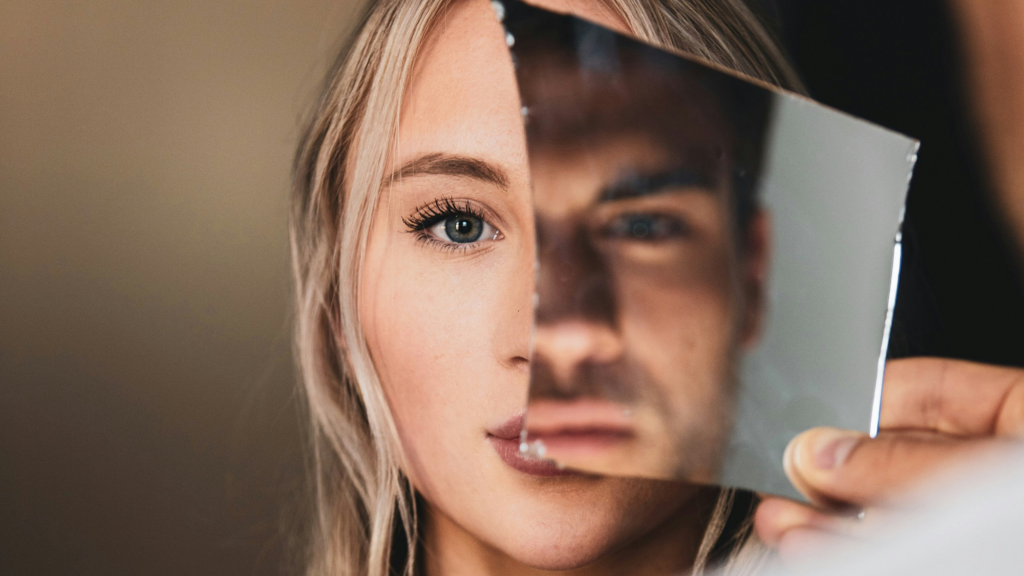
 There is a specific kind of heartbreak that comes from loving a narcissist. It is not just the loss of the relationship—it is the loss of yourself within it. It is the confusion, the emotional exhaustion, the constant questioning of your worth, your reality, and your sanity. Healing from that kind of experience is not linear, quick, or easy. But it is possible—and more importantly, it is transformative.
This is your beginning again.
Understanding What You’ve Been Through
Before healing can begin, there must be clarity.
A narcissist is not just someone who is selfish or overly confident. Narcissistic behavior often includes manipulation, lack of empathy, gaslighting, control, and an ongoing need for admiration and power. In relationships, this can look like intense love-bombing in the beginning, followed by emotional withdrawal, criticism, blame-shifting, and cycles of affection and punishment.
The result? You may have been left feeling:
- Emotionally drained
- Confused about what was real
- Blaming yourself for things you didn’t do
- Afraid to speak up or express your needs
- Disconnected from who you used to be
Recognizing that what you experienced was not healthy—and not your fault—is one of the first steps toward healing.
Why It Hurts So Deeply
Healing from a narcissistic relationship is different because the damage is layered.
It wasn’t just love—it was psychological conditioning.
You may have been trained to:
- Accept less than you deserved
- Doubt your intuition
- Seek validation from the very person who was hurting you
- Stay in cycles of hope and disappointment
This creates something called a trauma bond, where the emotional attachment is strengthened by the highs and lows of the relationship. It’s why leaving can feel so hard—and why healing takes intention.
Step One: Reclaim Your Reality
One of the most damaging tools used by narcissists is gaslighting—making you question your own thoughts, feelings, and experiences.
Healing starts by grounding yourself back in truth.
You may need to:
- Journal what actually happened
- Reflect on moments that didn’t feel right
- Validate your own emotions without needing outside approval
Your feelings were real. Your experiences were real. And your voice deserves to be trusted again.
Step Two: Release the Need for Closure
One of the hardest parts of healing is accepting that you may never get the apology, accountability, or explanation you deserve.
Narcissists rarely provide closure because it requires self-awareness and responsibility.
Waiting for that moment keeps you emotionally tied to them.
Instead, closure becomes something you give yourself:
- Accept that what happened was harmful
- Acknowledge that you deserved better
- Decide that your healing will not depend on their understanding
Closure is not about them finally “getting it.” It’s about you deciding you no longer need them to.
Step Three: Rebuild Your Identity
Many women leave narcissistic relationships feeling like a shell of who they once were.
You may have:
- Lost confidence
- Abandoned hobbies or passions
- Changed parts of yourself to keep the peace
Healing is about rediscovery.
Start small:
- Revisit things you used to enjoy
- Spend time alone without guilt
- Make decisions without seeking approval
Ask yourself: Who was I before this? Who do I want to become now?
This is your opportunity to rebuild—not into who you were, but into someone even stronger, wiser, and more self-aware.
Step Four: Set Boundaries Without Guilt
After dealing with a narcissist, boundaries can feel uncomfortable—even wrong.
You may have been conditioned to:
- Prioritize their needs over your own
- Feel guilty for saying no
- Avoid conflict at all costs
But boundaries are not punishments. They are protection.
Healing requires you to:
- Say no without over-explaining
- Distance yourself from toxic communication
- Protect your energy, time, and peace
You are allowed to choose yourself—even if it disappoints others.
Step Five: Allow Yourself to Grieve
Even if the relationship was unhealthy, there is still grief.
You are not just grieving the person—you are grieving:
- The version of them you believed in
- The future you imagined
- The effort you gave that wasn’t reciprocated
Let yourself feel it without shame.
Healing does not mean pretending it didn’t hurt. It means allowing the hurt to move through you instead of staying stuck inside you.
Step Six: Redefine Love and Worth
After a narcissistic relationship, your understanding of love may be distorted.
You may have learned that love feels like:
- Walking on eggshells
- Earning affection
- Constant emotional highs and lows
But real love is not chaotic. It is consistent, respectful, and safe.
As you heal, you begin to redefine:
- Love as peace, not pressure
- Worth as inherent, not earned
- Relationships as mutual, not one-sided
You are not hard to love. You were just in a space where love was not being given correctly.
Step Seven: Give Yourself Time
Healing is not a race.
Some days you will feel strong, clear, and free. Other days, you may feel pulled back into old emotions or memories. That does not mean you are failing—it means you are processing.
Be patient with yourself.
Every boundary you set, every moment of clarity, every step away from what hurt you is progress.
A Final Word to You
You survived something that slowly tried to erase you.
But you are still here.
Still thinking. Still feeling. Still wanting better.
That alone is proof that you are healing.
You are not “too much.”
You are not “too emotional.”
You are not “hard to love.”
You are someone who gave love deeply—and now you are learning how to give that same love to yourself.
And that is where your real power begins.
Get your copy of “How to Survive a Narcissist” here
Discover more from Connected Woman Magazine
Subscribe to get the latest posts sent to your email.

Connected Woman Magazine
Connected Woman Magazine is an online blog-style magazine created to inspire, empower, and connect women through authentic storytelling, meaningful conversations, and diverse perspectives. Covering topics ranging from entrepreneurship and career growth to wellness, relationships, lifestyle, and personal development, the platform highlights real women, real experiences, and the power of community while encouraging readers to share their journeys and connect with others.