
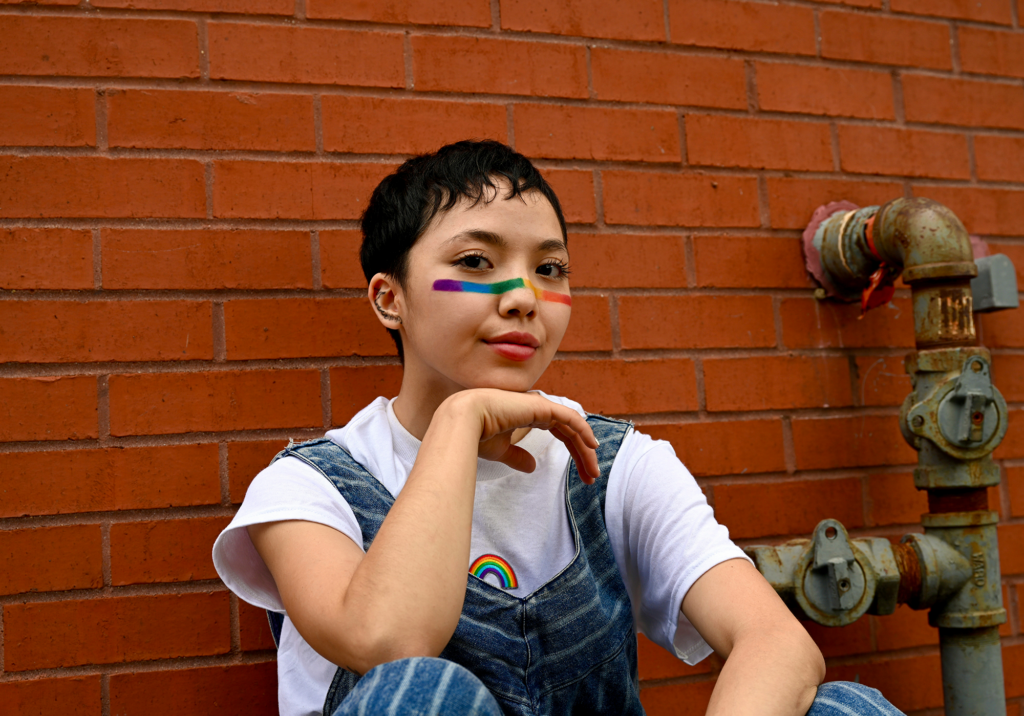
 Coming out is often described as a moment of truth, courage, and liberation. It is the quiet decision to stop hiding and the powerful act of choosing yourself, even when you don’t know how others will respond. For many young women, especially those navigating their identity within families that may hold rigid beliefs, this moment carries both hope and fear.
And sometimes, the fear becomes reality.
Instead of love, you are met with silence.
Instead of support, you are met with anger.
Instead of understanding, you are met with rejection.
There is no gentle way to say this: when your parents respond with cruelty, distance, or outright rejection after you come out, it hurts in a way that reaches deep into your core. It challenges your sense of belonging, your safety, and your worth.
But here is what must be said, clearly and without hesitation:
Their inability to love you fully is not a reflection of your worth.
This is your guide to navigating that pain, rebuilding yourself, and learning how to thrive in your truth—even if it means walking away.
The Grief No One Talks About
When parents withdraw love, it creates a very specific kind of grief. You are not only mourning how they treated you—you are mourning the version of them you believed existed.
You are grieving:
- The parent who was supposed to protect you
- The imagined future where they celebrated your happiness
- The unconditional love you were taught to expect
This grief can feel confusing because your parents are still alive, yet emotionally unavailable or even hostile. It is a loss without closure, and that can be one of the hardest experiences to process.
Give yourself permission to grieve. Not just once, but as often as it resurfaces.
Grief is not weakness. It is evidence that you loved deeply and hoped sincerely.
When Love Becomes Conditional
Many young women grow up believing that parental love is automatic and permanent. But coming out can expose a painful truth: for some families, love is tied to expectations.
When you step outside of those expectations, their behavior may shift. You may hear things like:
- “This is not who you are.”
- “You’re disappointing us.”
- “We don’t agree with your lifestyle.”
These words are not just opinions. They are wounds.
But it is important to understand what is happening beneath the surface. Their reaction is often rooted in fear, conditioning, or belief systems they have never questioned. That does not excuse the harm—but it explains why their response feels so rigid.
Still, explanation does not equal obligation.
You are not required to shrink yourself to fit someone else’s comfort.
The Emotional Impact of Rejection
Parental rejection can lead to a cascade of emotional responses:
You may question yourself.
You may feel shame that was never yours to carry.
You may wonder if you made a mistake by being honest.
You did not.
You told the truth about who you are. That is never a mistake.
But rejection can distort your inner voice. It can make you feel like love must be earned or that authenticity comes at too high a cost.
This is where healing begins—not by changing who you are, but by rebuilding how you see yourself.
Choosing Distance Without Guilt
One of the hardest decisions you may face is whether to distance yourself from your parents.
There is a narrative that says family should be preserved at all costs. That no matter what happens, you must maintain connection.
But connection without safety is not love—it is survival.
If their words, actions, or behavior continue to harm you, choosing distance is not betrayal. It is protection.
Distance can look different for everyone:
- Limiting conversations to avoid harmful topics
- Taking a temporary break from communication
- Creating permanent boundaries to preserve your peace
You are allowed to decide what access people have to your life—even if those people are your parents.
And you do not need their permission to protect your mental and emotional well-being.
Relearning Self-Love After Rejection
When the people who raised you reject you, it can shake your foundation. You may realize that much of your self-worth was tied to their approval.
Healing requires rebuilding that foundation from within.
Self-love, in this context, is not surface-level affirmations. It is a daily commitment to choosing yourself, even when it feels unfamiliar.
Start by questioning the narratives you have internalized:
- Are you unworthy, or were you made to feel that way?
- Are you wrong, or are you simply different from their expectations?
You begin to reclaim yourself when you replace their voice with your own.
Speak to yourself with the kindness you deserved to receive.
Building a New Definition of Family
One of the most empowering truths you will learn is this:
Family is not only who you are born to—it is who chooses you and whom you choose in return.
When biological family falls short, chosen family becomes essential. These are the people who:
- Celebrate your identity without hesitation
- Offer support without conditions
- Show up for you consistently
This could be friends, mentors, community members, or even online support networks.
You are allowed to build a life filled with people who love you properly.
And that love is just as real, just as valid, and often even more intentional.
Healing Without Their Apology
You may wait for an apology. For understanding. For a moment when they realize the harm they caused.
That moment may never come.
Healing cannot be dependent on their growth. It has to be rooted in your own.
This means:
- Accepting that closure may not look the way you imagined
- Letting go of the expectation that they will change
- Choosing peace even without resolution
This is not easy work. But it is freeing.
You stop waiting. You start living.
Thriving in Your Truth
Thriving is not about pretending the pain didn’t happen. It is about refusing to let it define your future.
When you begin to thrive, you will notice:
- You feel lighter without constantly seeking their approval
- You build relationships that reflect your true self
- You start to experience joy that is not filtered through fear
Your identity is not something to be tolerated—it is something to be celebrated.
And the more you embrace it, the more you create a life that aligns with who you truly are.
Gentle Steps Toward Healing
Healing is not linear, but there are intentional ways to support yourself along the way:
Create safe spaces for yourself
Surround yourself with people who affirm your identity and respect your boundaries.
Seek support when needed
Therapy, support groups, or trusted mentors can help you process the emotional impact of rejection.
Give yourself permission to rest
You do not have to be strong all the time. Healing includes moments of softness.
Reconnect with what brings you joy
Your life is bigger than this moment. Invest in the things that remind you of that.
You Are Still Worthy
If you take nothing else from this, let it be this:
You are not difficult to love.
You are not too much.
You are not wrong for being honest about who you are.
The rejection you experienced says more about their limitations than your value.
And while it may have changed your relationship with them, it does not change your right to exist fully, openly, and unapologetically.
Final Words: Choosing Yourself Is Not a Loss
There is a version of your life where you are accepted, supported, and deeply loved for exactly who you are.
If your parents cannot be part of that version right now—or ever—that is a painful truth.
But it is not the end of your story.
Choosing yourself may feel like loss at first. But over time, it becomes something else entirely.
It becomes freedom.
It becomes peace.
It becomes the beginning of a life where you no longer have to hide to be loved.
And that kind of life is worth everything.
Discover more from Connected Woman Magazine
Subscribe to get the latest posts sent to your email.

Connected Woman Magazine
Connected Woman Magazine is an online blog-style magazine created to inspire, empower, and connect women through authentic storytelling, meaningful conversations, and diverse perspectives. Covering topics ranging from entrepreneurship and career growth to wellness, relationships, lifestyle, and personal development, the platform highlights real women, real experiences, and the power of community while encouraging readers to share their journeys and connect with others.