
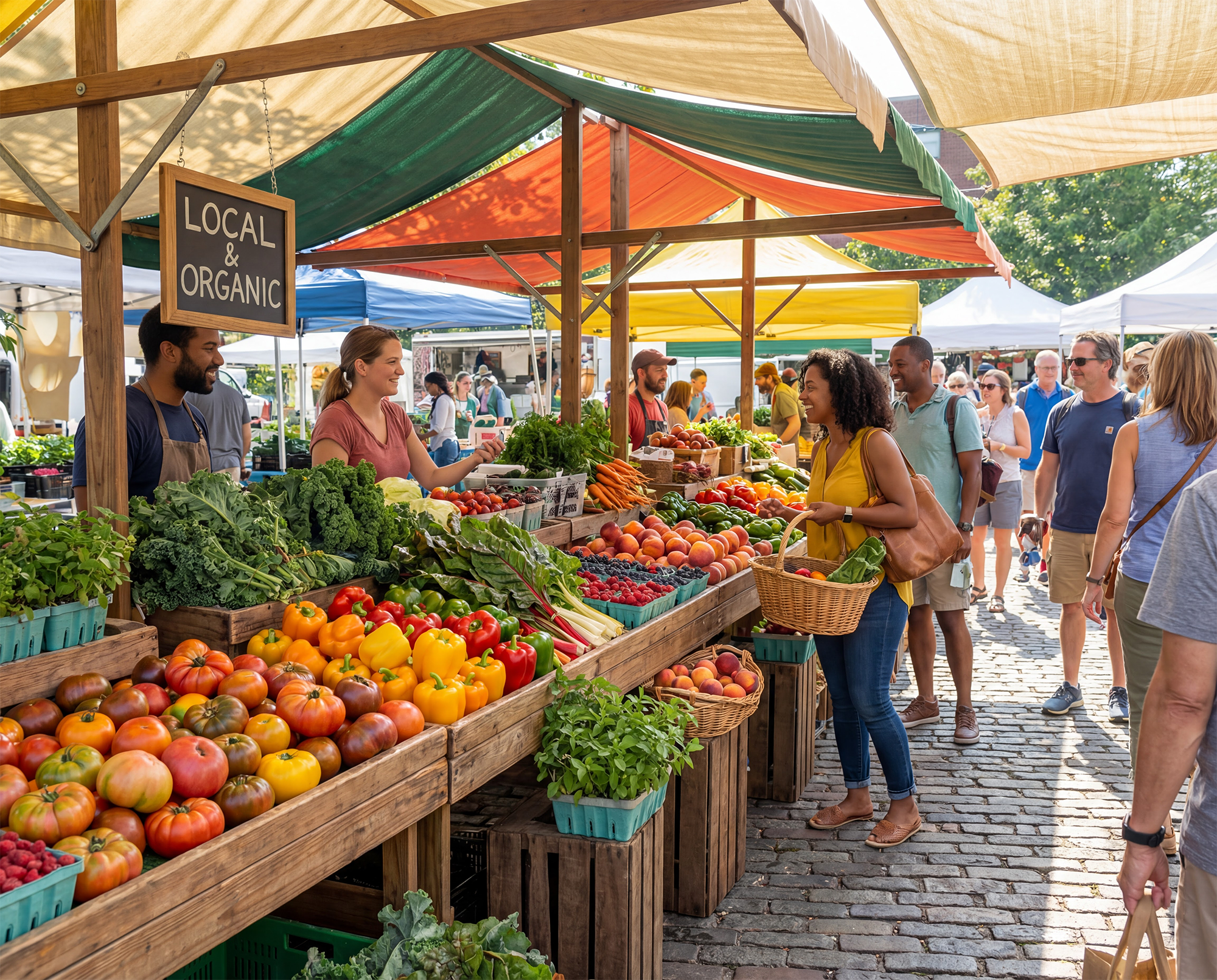
 In an era of overnight shipping, mega grocery chains, and convenience culture, there is something beautifully grounding about walking through a farmers market on a Saturday morning. The air feels fresher. The conversations feel warmer. The produce looks brighter. And somehow, everything tastes better.
Shopping at farmers markets is not just a trend reserved for foodies or homesteaders. It is a lifestyle choice that supports health, community, sustainability, and even entrepreneurship. Whether you are a busy professional looking for better ingredients, a parent wanting healthier options for your family, or an aspiring vendor dreaming of setting up your own booth, farmers markets offer opportunities far beyond fresh tomatoes and honey jars.
This guide will walk you through:
-
The powerful benefits of shopping at farmers markets
-
The most popular and profitable items people buy
-
How to start growing your own food
-
How to set up and succeed with your own farmers market booth
Let’s dig in.
Why Farmers Markets Are Worth the Hype
1. Fresher, More Nutrient-Dense Food
Produce sold at farmers markets is often harvested within 24–48 hours before it hits the table. Unlike grocery store produce that may travel hundreds or thousands of miles, local fruits and vegetables are picked at peak ripeness.
When produce is allowed to fully ripen on the plant:
-
It develops richer flavor
-
It retains more nutrients
-
It contains fewer preservatives
Leafy greens are crisper. Strawberries are sweeter. Tomatoes taste like actual tomatoes instead of water-filled imitations.
Freshness isn’t just about taste — it directly impacts nutritional value. The shorter the time between harvest and consumption, the more vitamins and minerals remain intact.
2. Supporting Local Farmers and Small Businesses
When you shop at a farmers market, you are often buying directly from the person who planted, harvested, baked, or crafted the item.
Instead of your dollars flowing to a corporate distribution chain, your money:
-
Supports family-owned farms
-
Strengthens local economies
-
Helps preserve farmland
-
Encourages sustainable practices
Many small farmers depend on market sales as their primary income stream. Your weekly produce run becomes an act of community investment.
3. Transparency and Trust
At a grocery store, you rarely meet the grower. At a farmers market, you can ask:
-
How was this grown?
-
Do you use pesticides?
-
What’s your favorite way to cook this?
-
What variety is this tomato?
There is comfort in knowing where your food comes from. Farmers markets create transparency. You build relationships. Over time, vendors remember your name, your favorite bread, your child’s egg allergy, your love for heirloom squash.
Food becomes personal again.
4. Seasonal Eating That Connects You to Nature
Farmers markets encourage seasonal eating. Instead of buying strawberries in winter, you learn to anticipate:
-
Spring asparagus
-
Summer peaches
-
Fall pumpkins
-
Winter root vegetables
Seasonal eating:
-
Tastes better
-
Is often more affordable
-
Encourages culinary creativity
-
Aligns with natural growing cycles
There’s something grounding about adjusting your meals to what the earth is naturally producing.
5. Lower Environmental Impact
Local food reduces transportation emissions. Fewer trucks. Less packaging. Less refrigeration time.
Many farmers markets also:
-
Minimize plastic packaging
-
Encourage reusable bags
-
Feature organic or regenerative farming practices
Shopping local helps reduce your carbon footprint without sacrificing quality.
Popular Purchases at Farmers Markets
Farmers markets are more diverse than ever. While fresh produce remains the star, here are some of the most popular items shoppers seek:
Fresh Produce
-
Tomatoes (especially heirloom varieties)
-
Leafy greens
-
Berries
-
Peppers
-
Cucumbers
-
Seasonal fruits like apples, peaches, or melons
Farm-Fresh Eggs
Bright orange yolks and pasture-raised chickens often make these a bestseller.
Local Honey
Raw, unfiltered honey is highly sought after for its flavor and potential allergy-support benefits.
Artisan Bread
Sourdough loaves, focaccia, croissants, and specialty baked goods sell out quickly.
Handmade Jams and Preserves
Strawberry basil jam. Peach bourbon preserves. Spicy pepper jelly.
Herbs and Microgreens
Fresh basil, cilantro, rosemary, and trendy microgreens are kitchen favorites.
Dairy Products
Locally made cheeses, butter, and yogurt.
Flowers and Plants
Fresh bouquets, succulents, seedlings, and starter plants.
Specialty Items
-
Homemade salsa
-
Kombucha
-
Natural soaps
-
Handmade candles
-
Cultural foods and spices
For entrepreneurs, these popular items often signal opportunity.
How to Start Growing Your Own Food
Even if you don’t own acres of land, you can begin growing food today.
Step 1: Start Small
You do not need a farm. You need intention.
Options include:
-
Backyard garden beds
-
Raised garden boxes
-
Balcony container gardens
-
Window herb planters
If space is limited, herbs and leafy greens are ideal starters.
Step 2: Choose Beginner-Friendly Crops
Start with easy-to-grow foods:
-
Lettuce
-
Spinach
-
Radishes
-
Zucchini
-
Tomatoes
-
Green beans
-
Herbs like basil and mint
These crops grow quickly and boost confidence.
Step 3: Learn Your Growing Zone
Understanding your climate zone helps determine:
-
What to plant
-
When to plant
-
When to harvest
Local cooperative extensions often provide free planting calendars and gardening resources.
Step 4: Invest in Good Soil
Healthy soil equals healthy plants. Consider:
-
Compost
-
Organic fertilizers
-
Mulch
If growing in containers, choose high-quality potting mix.
Step 5: Stay Consistent
Gardening requires:
-
Regular watering
-
Pest monitoring
-
Harvesting at the right time
It becomes therapeutic. A rhythm. A daily check-in with nature.
Turning Your Garden into Income: Setting Up a Farmers Market Booth
If your garden begins producing more than your household can consume, selling at a farmers market can be a profitable next step.
Step 1: Research Your Local Market
Start by:
-
Visiting markets as a shopper
-
Talking to vendors
-
Asking about vendor applications
-
Reviewing booth fees and requirements
Some markets require:
-
Business licenses
-
Food safety certifications
-
Liability insurance
Always check regulations before applying.
Step 2: Identify Your Niche
What will make your booth stand out?
Possibilities:
-
Organic heirloom tomatoes
-
Cultural spice blends
-
Specialty baked goods
-
Vegan desserts
-
Fresh herb bundles
-
Starter vegetable plants
Look for gaps in the current vendor lineup.
Step 3: Perfect Your Product
Before selling:
-
Test your recipes
-
Ensure consistent quality
-
Package items attractively
-
Create clear pricing
Presentation matters. A beautiful display increases perceived value.
Step 4: Invest in an Appealing Booth Setup
Your booth is your storefront.
You will need:
-
A tent canopy
-
Tables
-
Tablecloths
-
Clear signage
-
Business cards
-
Price labels
Consider:
-
Branded banners
-
Chalkboard menus
-
Samples (if allowed)
Clean, cohesive branding builds trust instantly.
Step 5: Understand Pricing Strategy
Price based on:
-
Cost of materials
-
Time invested
-
Market demand
-
Competitor pricing
Do not underprice your work. People at farmers markets expect to pay for quality.
Step 6: Build Relationships
The most successful vendors:
-
Learn customer names
-
Offer recipe suggestions
-
Share growing stories
-
Provide social media handles
Repeat customers become your foundation.
Step 7: Expand Beyond the Booth
Once established, you can:
-
Launch a CSA (Community Supported Agriculture) subscription
-
Sell online locally
-
Offer workshops
-
Teach gardening classes
-
Supply local restaurants
Your small booth can evolve into a full-scale local brand.
The Lifestyle Shift: From Consumer to Creator
Shopping at farmers markets often sparks something deeper. You move from passive consumer to conscious participant.
You begin to:
-
Cook more meals at home
-
Value ingredients
-
Understand seasonality
-
Reduce waste
-
Appreciate food labor
And for some, it ignites entrepreneurship.
Growing your own food teaches patience. Selling it teaches confidence. Connecting with your community teaches purpose.
Final Thoughts
Farmers markets are more than places to buy vegetables. They are:
-
Economic ecosystems
-
Community hubs
-
Educational spaces
-
Entrepreneurial launchpads
-
Wellness investments
Whether you are filling your basket with fresh peaches, planting your first herb garden, or dreaming of launching your own booth, the farmers market movement offers something deeply rewarding.
It reconnects us to the land.
It reconnects us to each other.
And perhaps most importantly, it reconnects us to the simple joy of nourishing ourselves intentionally.
The next time you pass a local farmers market sign, stop. Walk through. Ask questions. Taste something new.
You may leave with more than produce — you may leave with inspiration.
Discover more from Connected Woman Magazine
Subscribe to get the latest posts sent to your email.

Connected Woman Magazine
Connected Woman Magazine is an online blog-style magazine created to inspire, empower, and connect women through authentic storytelling, meaningful conversations, and diverse perspectives. Covering topics ranging from entrepreneurship and career growth to wellness, relationships, lifestyle, and personal development, the platform highlights real women, real experiences, and the power of community while encouraging readers to share their journeys and connect with others.