
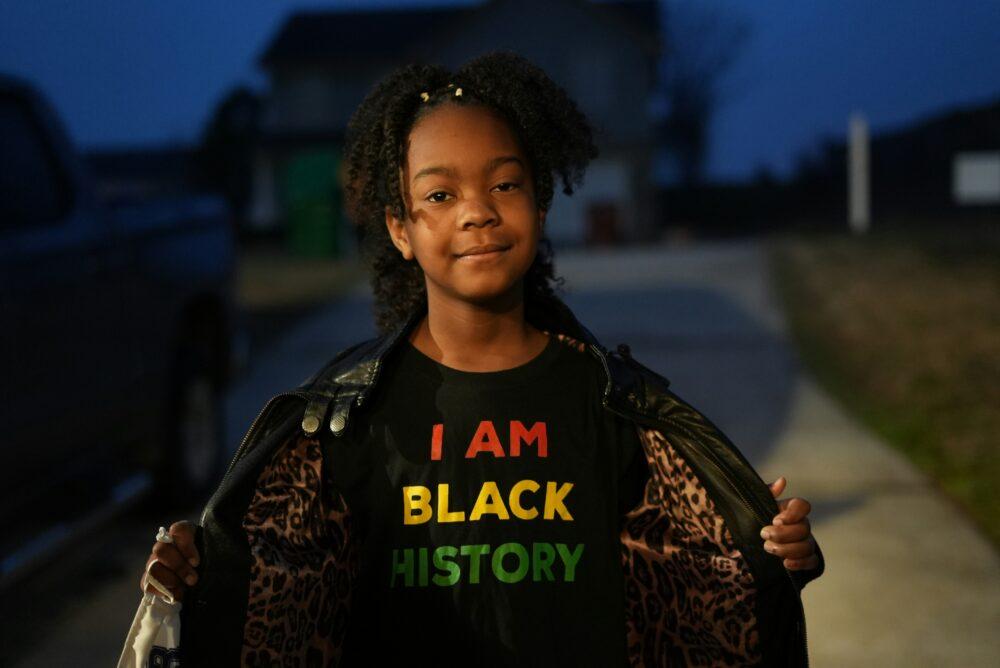
 Black History Month is not only a time of remembrance — it is a time of recognition, reflection, celebration, and intentional learning. For women of all ethnicities, it offers an opportunity to deepen cultural awareness, model inclusivity, and pass along values of respect and appreciation to the next generation. Whether you are exploring the month alongside your children or choosing to honor it personally, the impact of your participation reaches far beyond February. It becomes part of how you shape conversations, relationships, and understanding for the rest of the year.
Celebrating Black History Month does not require perfection or expertise. It requires curiosity, openness, and a willingness to listen and learn. The goal is not to “get it right” but to be present, intentional, and respectful. Here are seven meaningful and accessible ways women can celebrate and honor Black History Month in ways that feel authentic, educational, and empowering.
1. Explore Stories Through Books and Literature
Reading remains one of the most powerful ways to understand experiences different from our own. Books allow women and children to see the world through new lenses while building empathy and awareness. Choose literature written by Black authors or featuring Black protagonists and historical figures. This can include biographies, poetry, fiction, memoirs, and children’s picture books.
For children, select age-appropriate stories that highlight inventors, leaders, artists, scientists, and everyday heroes. For solo readers, dive deeper into historical accounts, essays, or contemporary novels that explore identity, resilience, and cultural pride. Creating a small reading list for the month — even if it is just two or three books — opens meaningful dialogue and encourages lifelong learning.
Reading together also creates safe spaces for questions. Allow curiosity. Encourage discussion. Let children know it is okay not to know everything, as long as they remain respectful and willing to learn.
2. Support Black-Owned Businesses and Creators
Economic empowerment is a powerful form of recognition. Supporting Black-owned businesses is not about charity — it is about conscious consumerism and appreciation for creativity, innovation, and entrepreneurship. This can be as simple as purchasing a book from a Black author, ordering from a local Black-owned restaurant, or buying art, skincare, clothing, or digital products from Black creators.
For children, involve them in the process. Explain why supporting diverse businesses matters. Show them how their choices contribute to communities and families. This lesson extends beyond February and becomes a habit of inclusive spending and appreciation for diverse talent.
If shopping is not an option, amplify voices instead. Share a creator’s work on social media, leave positive reviews, or recommend their services to friends. Visibility is support.
3. Watch Documentaries and Films With Intention
Visual storytelling helps history and culture come alive. Select documentaries or films that highlight Black leaders, movements, and cultural milestones. When watching with children, preview content to ensure it is age-appropriate and be prepared to pause and discuss difficult or complex moments.
For solo viewers, documentaries provide an opportunity to explore topics in depth, including civil rights, art, music, sports, and social change. The key is intentional viewing — not passive entertainment. Ask reflective questions afterward. What stood out? What surprised you? What did you learn that you did not know before?
Films can become conversation starters rather than simply something to watch. They create space for emotional understanding and cultural appreciation.
4. Visit Museums, Exhibits, or Virtual Cultural Tours
If local museums or cultural centers are accessible, plan a visit. Many institutions host special exhibits during Black History Month. These spaces allow women and children to experience history visually and interactively. Walking through exhibits creates sensory learning that books alone cannot provide.
If travel or location is a barrier, virtual museum tours and online archives are widely available. Exploring digital galleries, art collections, and historical timelines from home can still be deeply impactful. Consider making it an intentional “learning day” with children or a quiet evening of exploration solo.
Cultural spaces honor not only struggle but also triumph, creativity, and innovation. They remind us that Black history is multifaceted and rich with contributions that continue to shape society.
5. Celebrate Black Art, Music, and Cultural Expression
Art and music are universal languages that transcend age and background. Introduce children to influential musicians, dancers, painters, poets, and designers. Create a playlist featuring Black artists across genres — jazz, gospel, hip-hop, R&B, classical, and contemporary. Explore the evolution of music and how it influenced global culture.
For solo celebration, attend virtual concerts, poetry readings, or art showcases. Try learning a new dance style, visiting a gallery, or simply immersing yourself in creative expression. Art is not only about appreciation; it is also about participation. Encourage children to draw, paint, or write poems inspired by what they learn.
Celebrating culture through creativity highlights joy, innovation, and resilience, reminding us that history includes brilliance and beauty alongside hardship.
6. Engage in Meaningful Conversations About History and Inclusion
Black History Month is an opportunity to have honest conversations — not only about the past, but about the present and the future. When speaking with children, use age-appropriate language and focus on themes of fairness, kindness, equality, and respect. Emphasize shared humanity and the importance of celebrating differences rather than ignoring them.
For women exploring solo, reflection can be equally powerful. Journaling, listening to podcasts, or attending community discussions can deepen understanding. The goal is not to become an expert overnight but to remain open to continuous learning.
Conversations build bridges. They allow women to model empathy, curiosity, and cultural awareness for their families and communities.
7. Participate in Community Events or Acts of Service
Community involvement turns learning into action. Look for local or virtual events such as lectures, workshops, performances, or cultural festivals. Participating alongside children reinforces the idea that honoring history is not confined to classrooms — it is lived and celebrated in everyday life.
Acts of service can also be meaningful. Volunteering, donating books to schools, or supporting educational initiatives aligns celebration with contribution. Even small acts, like organizing a neighborhood book exchange featuring diverse authors, create ripple effects of awareness and appreciation.
Community engagement reminds women and children that honoring history is not just about looking back; it is about building inclusive futures together.
Honoring Black History Month Beyond the Calendar
While February serves as a dedicated month of focus, the spirit of Black History Month should not end when the calendar changes. True celebration lies in ongoing respect, continuous education, and intentional inclusion throughout the year. Women of all ethnicities have the power to shape how future generations understand culture, history, and diversity — not through grand gestures, but through consistent, thoughtful actions.
Whether you read one book, support one business, watch one documentary, or attend one event, your participation matters. When women lead with curiosity and compassion, children learn that honoring history is not a one-time activity. It becomes a lifelong value rooted in understanding, appreciation, and unity.
Black history is American history. It is world history. And when women choose to celebrate it with intention, they help ensure that its lessons, achievements, and voices continue to inspire generations to come.
Discover more from Connected Woman Magazine
Subscribe to get the latest posts sent to your email.

Connected Woman Magazine
Connected Woman Magazine is an online blog-style magazine created to inspire, empower, and connect women through authentic storytelling, meaningful conversations, and diverse perspectives. Covering topics ranging from entrepreneurship and career growth to wellness, relationships, lifestyle, and personal development, the platform highlights real women, real experiences, and the power of community while encouraging readers to share their journeys and connect with others.