 There’s an unspoken rule that too many women know all too well: Blend in if you want to fit in.
It shows up in the mirror before work, in the pause before choosing that bold lipstick, or in the hesitation before rocking your natural curls. It’s that subtle internal voice whispering, “Will this be too much?” — too bright, too loud, too “different.”
The Silent Dress Code No One Talks About
Across boardrooms, classrooms, and offices, women often face invisible boundaries around how they present themselves. These boundaries aren’t written in employee handbooks — they live in glances, side comments, and biased assumptions.
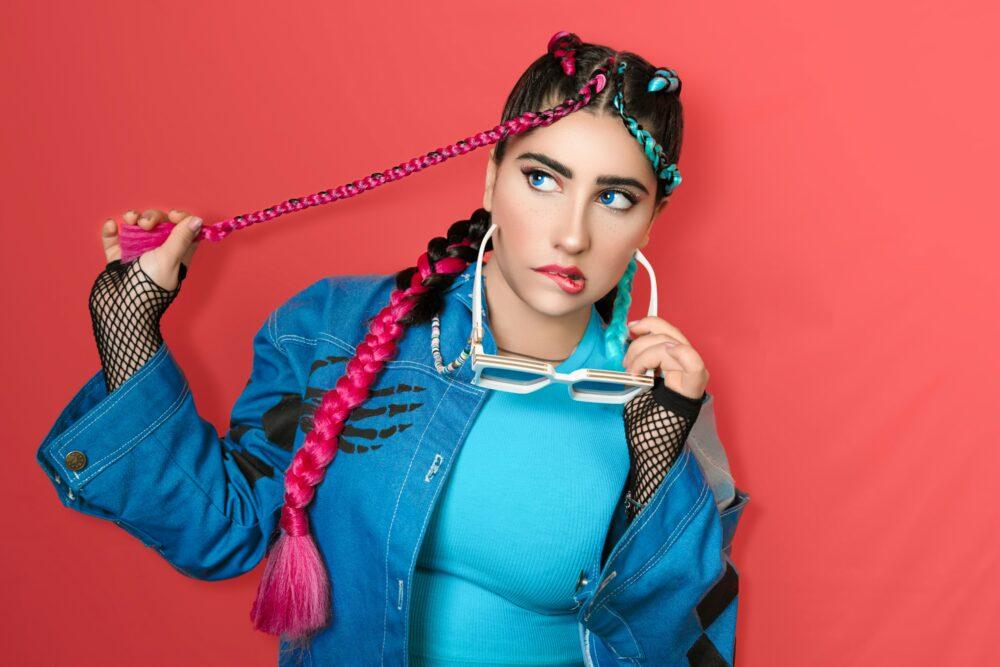
A woman with colorful braids may be labeled “unprofessional.”
A bold red lip might be “distracting.”
A form-fitting dress might be “inappropriate.”
Meanwhile, the same creativity and self-expression celebrated on fashion runways or social media suddenly becomes “too much” in the workplace. What’s worse, the standard of “professional” often reflects Eurocentric beauty norms — straight hair, neutral tones, minimal flair — leaving women of color especially feeling pressured to mute their individuality just to be accepted.
When Conformity Becomes Survival
Let’s be real: many women don’t play it safe because they want to — they do it because the stakes are high. Careers, promotions, and reputations can hinge on being perceived as “polished,” “relatable,” or “a team player.”
For Black and brown women, this can mean suppressing parts of their cultural identity to avoid judgment or bias.
For creative or expressive women, it can mean dimming their light to avoid being called “unfocused” or “unserious.”
The message is clear: Conform to be accepted. Tone down to be taken seriously.
And yet, this expectation doesn’t just strip away style — it chips away at confidence, authenticity, and joy. Dressing how you feel isn’t just about vanity. It’s about identity, freedom, and voice.
The Power of Personal Style as Protest
When a woman chooses to wear her hair naturally, embrace her curves, or express her creativity through fashion, she’s making more than a style statement — she’s reclaiming her narrative.
Personal style is language. It’s how we say, This is who I am, without uttering a word.
And every time a woman shows up in her truth — even in small ways — she expands what “acceptable” looks like for the women who come after her.
This doesn’t mean every workplace needs to turn into a runway. But it does mean creating environments where individuality is respected, not punished. Where professionalism is defined by competence, not conformity. Where women feel safe to be both capable and colorful, ambitious and authentic.
Redefining Professionalism, Together
If organizations truly value diversity, it must include diversity in expression. It’s not enough to hire women — we must make space for them to show up as their full selves.
For the women reading this:
You are not “too much.”
Your hair, your outfit, your energy — they are extensions of your story.
Don’t apologize for existing in color in a world that often prefers grayscale.
For the workplaces reading this:
If you want women to bring their best ideas, let them bring their whole selves.
When women feel free to express themselves, creativity thrives, confidence grows, and culture transforms.
Final Thought:
Your style is not a threat — it’s a statement of power.
And the more we show up as ourselves, the more we redefine what belonging truly looks like.
Discover more from Connected Woman Magazine
Subscribe to get the latest posts sent to your email.