
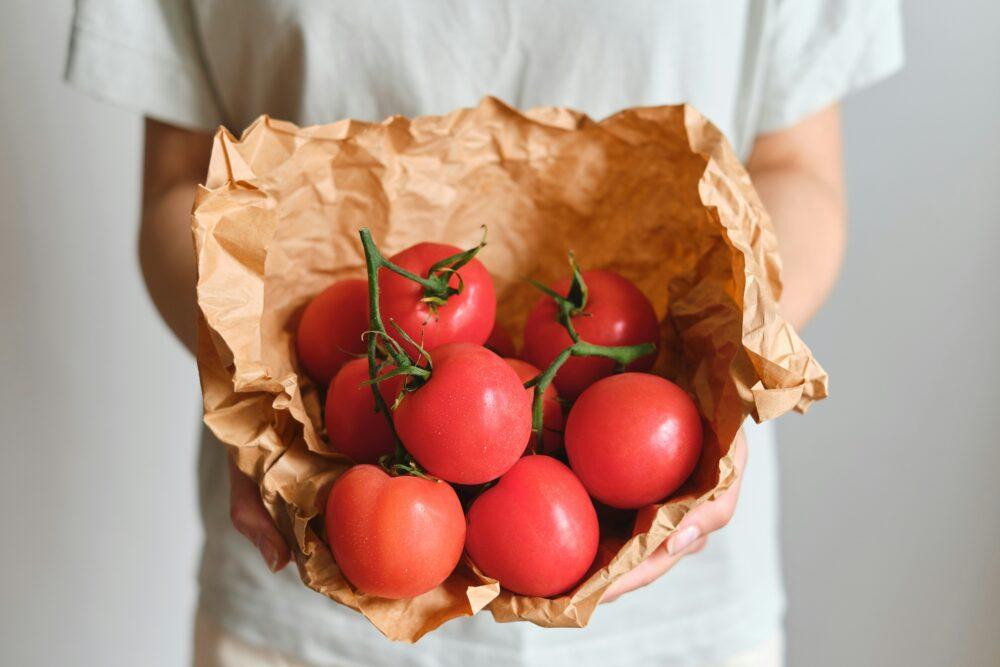
 Food insecurity is hitting harder than ever—especially for women. With many government assistance programs being reduced, restructured, or stopped altogether, countless families are left wondering where to turn for help.
But even in hard times, there are ways to reclaim control, rebuild community connections, and create food security from the ground up—literally. This article is about more than survival; it’s about empowerment, creativity, and the resilience of women who refuse to give up.
1. Start with Local Food Pantries, Mutual Aid, and Community Networks
When official programs dry up, local people step up. Across the country, churches, nonprofit organizations, and community collectives are quietly feeding families through food drives, pop-up pantries, and “take what you need” events.
-
Search local food pantries: Check FeedingAmerica.org/find-your-local-foodbank to locate nearby community pantries.
-
Find mutual aid groups: Search “mutual aid + [your city]” on social media. These grassroots networks often share food, toiletries, and homegrown produce—no ID, paperwork, or judgment.
-
Ask at your local library or community center: Staff often keep updated lists of food giveaways, senior meals, and neighborhood gardens.
Remember: these resources exist because someone in your community cares. You are not a burden—you are part of a circle of support.
2. Tap Into Faith-Based and Women’s Support Organizations
Even if government aid is shrinking, faith-based ministries and women’s resource centers often fill the gap.
Churches, mosques, temples, and women’s shelters frequently offer hot meal programs, grocery gift cards, or emergency food assistance—sometimes quietly, to preserve dignity.
Ask about:
-
Emergency food vouchers or meal delivery programs
-
Local “Blessing Boxes” or community fridges where neighbors leave extra food
-
Partnership programs where nonprofits pair women with families who have gardens or extra produce to share
Many of these networks are woman-led—built on compassion, understanding, and shared struggle.
3. Grow Your Own Food: Reclaiming Power Through Gardening
When access is limited, growing even a small portion of your own food can bring independence, nourishment, and peace of mind.
You don’t need acres of land to start—just sunlight, patience, and creativity.
Here’s how to begin:
-
Start small: Try growing easy, high-yield foods like lettuce, kale, herbs, or tomatoes in containers, window boxes, or recycled buckets.
-
Join a community garden: Many cities have shared plots where members garden together and split the harvest.
-
Look for free seed swaps: Check your local library, farmer’s market, or Facebook groups for seed-exchange events.
-
Use kitchen scraps: Regrow green onions, lettuce, and potatoes right from leftovers—no store trip needed.
-
Collect rainwater: In areas with water restrictions, this can keep your garden thriving at no extra cost.
Gardening is not just about food—it’s about healing, self-sufficiency, and reminding yourself that you can grow something good, even in hard soil.
4. Use Food Co-Ops, Farmers’ Markets, and Bulk Buying Clubs
Community co-ops are a powerful way to stretch dollars and support local growers.
Many offer discounts for low-income members or “work shares,” where volunteering earns food credits.
-
Food co-ops: Search “food co-op near me” or check coopdirectory.org
-
Farmers’ markets: Ask vendors if they accept sliding-scale payments or offer “seconds” (imperfect produce sold cheap)
-
Buy in bulk: Partner with friends to buy rice, beans, or flour in bulk—then split costs and supplies.
These small, intentional steps help build community resilience—and keep local food systems alive when larger safety nets fall away.
5. Create a Local Sisterhood of Support
When resources are scarce, connection becomes currency. Consider forming a Women’s Food Support Circle—a small group of women who share tips, meals, garden produce, and encouragement.
Your circle might:
-
Rotate cooking responsibilities for group meals
-
Trade canned goods or homegrown food
-
Hold “recipe swaps” for budget-friendly, healthy meals
-
Partner with local businesses or farmers for donation days
Sisterhood has always been one of the strongest survival systems in human history. When women unite, communities rise.
6. Nourish Yourself with Faith, Hope, and Resourcefulness
Even when the system fails, your spirit doesn’t have to.
Every seed you plant, every meal you share, and every conversation you start builds a network of hope. You don’t need to have it all figured out—you just need to take one small, powerful step at a time.
Let this be your reminder: you are not powerless—you are planting power.
Key Takeaway
Even in a season where government programs are fading, women can still thrive through resourcefulness, community, and creativity.
Seek out local pantries and mutual aid groups. Start a small garden. Trade and share with neighbors. And never forget—you are capable of creating abundance, one seed and one act of sisterhood at a time.
Discover more from Connected Woman Magazine
Subscribe to get the latest posts sent to your email.