A Life in Art and Advocacy: The Enduring Influence of Roxanne Messina Captor
A Life in Art and Advocacy: The Enduring Influence of Roxanne Messina Captor
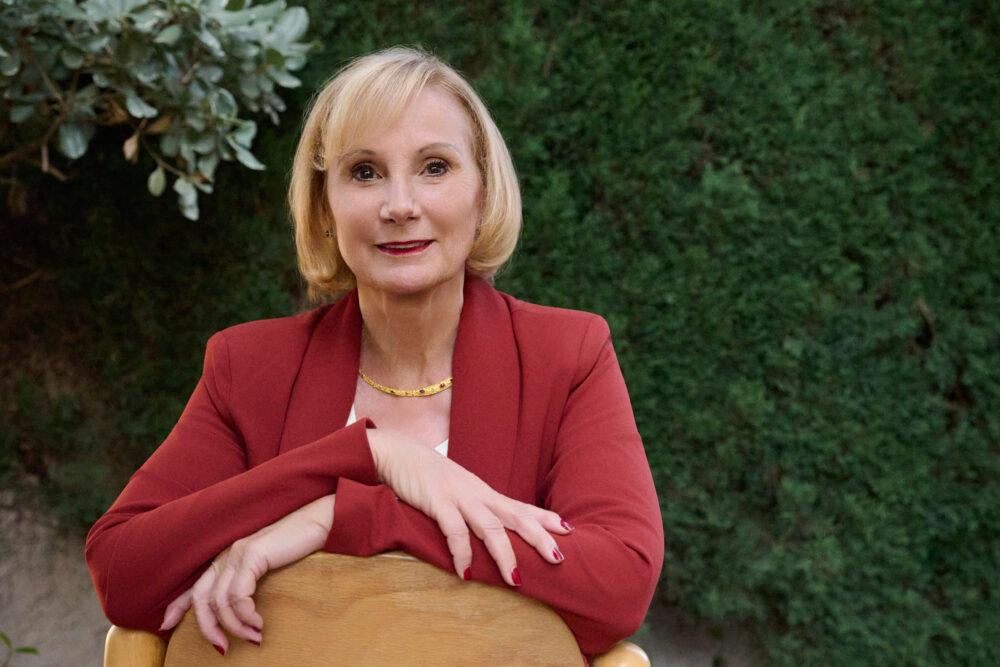
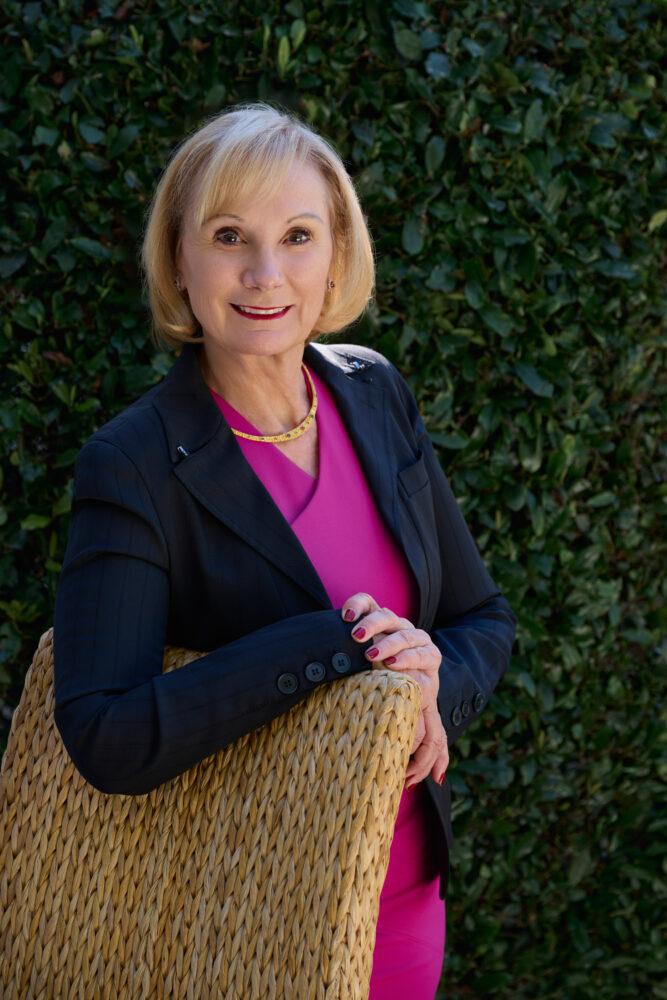
Photo Credit: Joy DaunisRoxanne Messina Captor is more than an Emmy-nominated filmmaker—she’s one of California’s most influential cultural leaders. A protégé of Francis Ford Coppola, she has spent decades shaping stories on stage and screen while championing policies that keep the arts thriving at the heart of California’s economy. Today, as Chairperson of the California Arts Council, Captor is helping to ensure that creativity remains both a cultural force and a vital industry for the state.This fall, she debuts two new projects at the Newport Beach Film Festival: A Dickens of A Christmas, a moving narrative about memory and redemption, and Stanley Clarke: Rhythm and Harmony, a documentary on the legendary Grammy-winning jazz icon. From honoring artists on the global stage to advocating for California’s creative workforce, Captor’s vision proves that art is not only about storytelling—it’s about shaping communities, economies, and legacies. Let’s meet her…You were mentored by Francis Ford Coppola early in your career. How did that experience shape your artistic vision and approach to storytelling across film, television, and theatre?
Working with Francis Ford Coppola and Gene Kelley were formative. Francis taught me that storytelling is about more than plot—it’s about emotion, nuance, and the human experience. From him, I learned the importance of taking creative risks, listening to your instincts, and respecting the integrity of the story. I think since we both come from classical backgrounds, it was the motivator to our understanding and respecting each other’s talents and creative choices. From Gene, I learned that one’s personal life is as important as one’s work life. As an artist we all become obsessed with our work. This balance is so important to a healthy life and career. These lessons have guided every project, whether on screen, stage, or in digital media.
You’ve worked across so many mediums—network films, digital series, documentaries, and theater. What drives your versatility, and how do you decide which stories belong in which format?
I’m driven by curiosity and a desire to find the right home for each story. Some stories thrive on the intimacy and immediacy of theatre, others need the visual depth of film, while a digital series can explore complex narratives episodically. The story itself guides the medium—my job is to serve it in the format that will reach and move audiences most effectively. When I am writing the story speaks to me. Once I have it in my head, my process is to sit down and not move for days till the words and characters come to life on the page. As a director and producer, I resisted writing for a career, as it was my catharsis. Now I find having the ideas in my head come to life on the page and then as a director bringing them to life for an audience extremely fulfilling.
Looking back at your decades-spanning career, what have been the pivotal turning points that most influenced your creative path?
Connecting with great artists; People with intelligence, talent, heart and soul. These relationships motivate me and my work.
Mentorship, early creative successes, and opportunities to lead have all been pivotal. Learning from visionary artists, producing my first independent projects, and later taking leadership roles in arts policy shaped my perspective. Each turning point reinforced that creativity and advocacy are intertwined; one strengthens the other. It is so important to give back.
As Chairperson of the California Arts Council, you play a critical role in advancing arts policy. What is your long-term vision for California’s creative economy, and where do you see the biggest opportunities for growth?
My vision is for a thriving, inclusive, and sustainable creative economy. We have an opportunity to expand arts education, support emerging and underrepresented artists, and leverage technology to broaden access to arts experiences. Investing in the next generation of creators strengthens California culturally and economically. As an Educator, I do this in all my classes. People gave back to me and now I am giving back to others. Data from the U.S. Bureau of Economic Analysis, state the arts and cultural sector contribute $230 billion annually to California’s economy — this represents approximately 7% of the state’s GDP, making California’s creative economy one of the largest in the world.
The arts directly employ nearly 750,000 workers in California, spanning theater, music, film, design, museums, and digital arts. When including indirect employment — stagehands, technicians, venue staff, marketing firms, and the hospitality industries that benefit from cultural tourism — the number swells to more than 1.6 million jobs. Arts increase tourism which is revenue for the state.
Arts are the ultimate equalizer. “Put art in the hands of children not guns!”
You were instrumental in conversations around expanding California’s film tax incentives. How do you see these incentives reshaping the future of film and television production in the state?
Expanded incentives help keep production in California and create jobs. Having shot projects in other countries where tax incentives thieve for their workforce, I am happy to see California take a stand to expand our workforce. We have some of the best talent in front of and behind the camera. These talents need to be able to work at home. The incentives are a start. The Governor, legislature and the film commission included in the tax incentives provisions for independents to take advantage of the tax incentives as well as the studios. The incentives encourage investment in local talent and infrastructure, positioning the state as a global hub for storytelling.
How do you balance the responsibilities of being a cultural leader and policymaker with your identity as a creator and storyteller?
It’s a balance of listening and leading. I approach policy with a storyteller’s perspective, thinking creatively about solutions, while my creative work keeps me grounded in why these policies matter. Both roles inform each other—policy allows me to shape opportunities, while storytelling reminds me of the human impact behind the work.
At the Newport Beach Film Festival, you’re premiering both a narrative feature, A Dickens of a Christmas, and a documentary, Stanley Clarke: Rhythm and Harmony. What excites you most about presenting these two very different projects at the same time?
It’s a unique chance to showcase the spectrum of storytelling. One is rooted in imagination and emotion, the other in lived experience and cultural legacy. Presenting them together underscores that storytelling, whether fictional or documentary, has the power to inspire, connect, and resonate with audiences.
Stanley Clarke is an icon in music and culture. What drew you to documenting his life and residency at BroadStage, and what do you hope audiences will take away from the film?
Stanley Clarke’s life exemplifies creativity, discipline, and innovation. I wanted to capture both his artistic genius and the collaborative spirit that defines his work. I hope audiences are inspired by his dedication, artistry, and the universal language of music that transcends culture and generations.
In A Dickens of a Christmas, you weave timeless themes of memory, spirit, and redemption. What inspired you to bring this particular story to life now?
In today’s world, stories of reflection, hope, and redemption feel especially resonant. This narrative invites audiences to pause, reconnect with what matters, and remember that change and renewal are always possible. It’s both timely and timeless.
Photo Credit: Joy DaunisYou were recently a keynote speaker and panel moderator at the Creative Economy “El Segundo and Beyond” event hosted by Mattel. What role do you believe artists and creatives play in strengthening local communities and economies?
Artists are catalysts for both cultural vibrancy and economic growth. They create jobs, foster innovation, and build connections within communities. A strong creative ecosystem attracts talent, investment, and collaboration, enriching civic life, toursim and strengthening the social fabric.
You’ve been honored internationally, including receiving France’s Chevalier de l’Ordre des Arts et des Lettres and the ARPA Film Festival Visionary Award. How do international recognitions like these shape or reaffirm your sense of purpose in your work?
It is always a privilege and a responsibility to be honored for one’s work and accomplishments. These honors are humbling reminders that storytelling transcends borders. They reaffirm the importance of creating work that resonates universally and inspires connection, empathy, and understanding across cultures.
California has one of the most diverse creative workforces in the world. What do you believe are the most pressing issues facing artists today, and how are you working to address them?
Equity, access, and sustainability are key challenges. And many artists face barriers to resources, mentorship, and career longevity. Through policy initiatives, funding programs, and mentorship, we work to dismantle those barriers and foster a more inclusive and resilient creative ecosystem.
You serve on the board for the California State Summer School for the Arts, mentoring the next generation. What advice do you give to emerging artists about building both resilience and longevity in the arts?
I encourage curiosity, adaptability, persistence and perseverance. Resilience comes from embracing challenges and learning from failure. Longevity comes from skill, discipline, and community—building relationships, seeking mentorship, and giving back are essential.
In my first career as a professional ballet dancer and Broadway triple threat, I was a working professional dancer. Even with this income, I needed to have my parents co-sign for an apartment. I was making a good living, but the concept of an artist is flaky and transient. This concept is SO UNTRUE! Artists bring a wealth of knowledge, skill and enlightenment to communities. Our society needs to recognize artists in the same way we recognize MBA’S, doctors and lawyers.
I transitioned from professional dancer to filmmaker, educator and theatre director. Not an easy transition. As an artist and one of the founders of the Career Transition for Dancers program, it is always devastating to the psyche, when artists are treated as not part of the serious workforce of our country. Dancers’ careers end as most people’s careers are starting. What the CTD does is reevaluate the lessons dancers learn at a very early age. These skills are then applied to the workforce. Skills like, discipline, hard work and perseverance.
Many of your projects highlight underrepresented stories, including veterans’ and women’s experiences. How do you see the arts as a platform for equity and social change?
Art is the great equalizer. I have witnessed first-hand how dance and theatre games in schools break all gender and race barriers. One teacher said we did more with our dance and theatre games in 45 minutes to bring students together than what had happened all year.
Art amplifies voices that might otherwise go unheard. By telling underrepresented stories, we foster empathy, understanding, and dialogue. The arts have the power to challenge assumptions, inspire action, and reshape cultural narratives.
When you think about your legacy as a cultural leader, filmmaker, and advocate, what impact do you most hope to leave on California’s creative landscape—and on the global stage?
I hope my legacy reflects a commitment to excellence, hard work, perseverance and inclusion. Like our Governor, I want to see a California creative ecosystem where every story can be told, where emerging voices are nurtured, and where art continues to connect people worldwide. I want artists to be recognized for the economic and spiritual growth they bring to communities. Globally, I hope to leave behind a model demonstrating the transformative power of creativity combined with advocacy.
Discover more from Connected Woman Magazine
Subscribe to get the latest posts sent to your email.
Connected Woman Magazine is an online blog-style magazine created to inspire, empower, and connect women through authentic storytelling, meaningful conversations, and diverse perspectives. Covering topics ranging from entrepreneurship and career growth to wellness, relationships, lifestyle, and personal development, the platform highlights real women, real experiences, and the power of community while encouraging readers to share their journeys and connect with others.