 Contraception Access and Affordability: A Crucial Conversation for Women
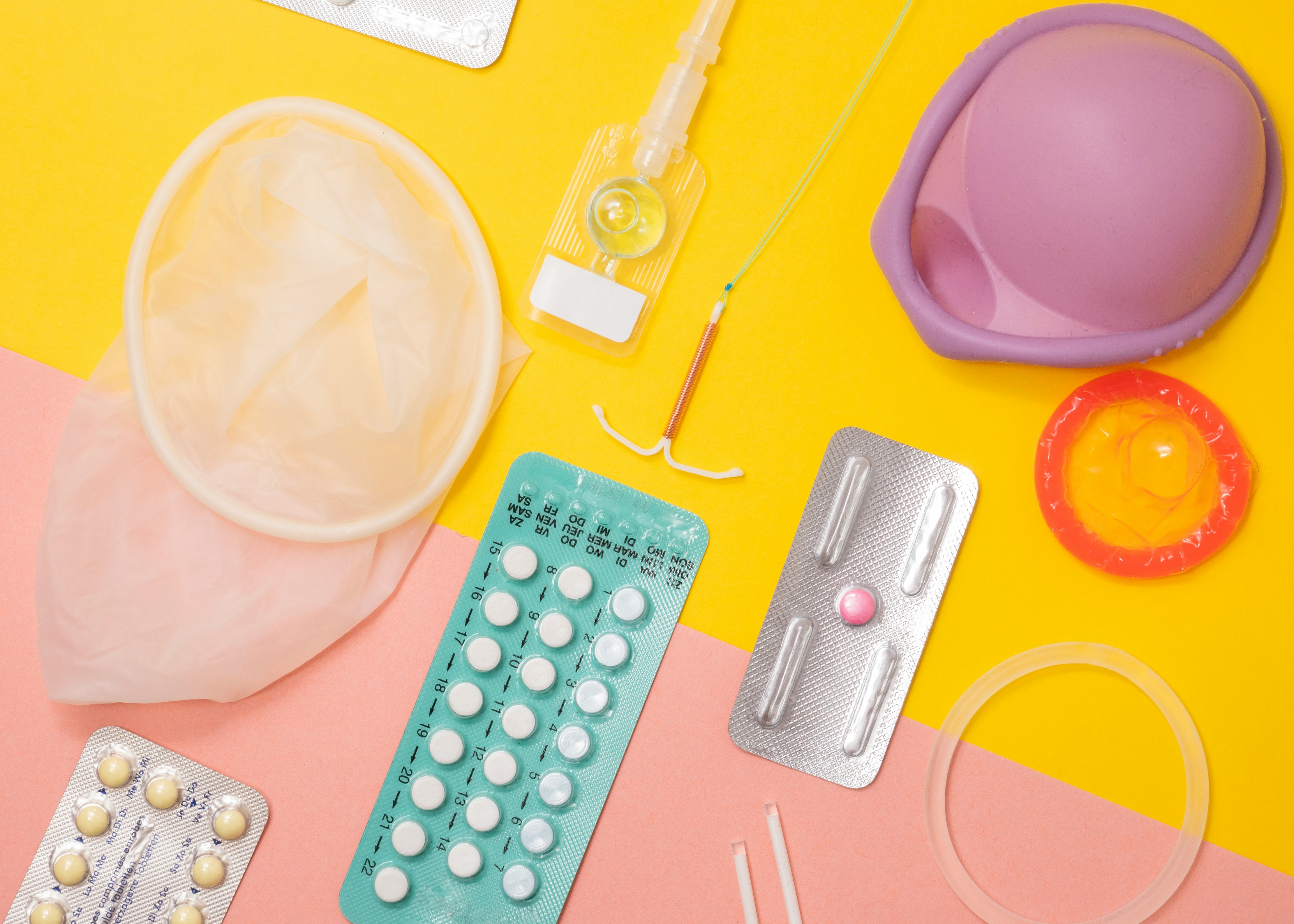
In today’s world, contraception is more than a matter of choice — it’s a cornerstone of women’s health, autonomy, and economic empowerment. Yet for millions of women, access to affordable contraception remains a struggle marked by financial, geographic, and systemic barriers. This blog post unpacks why accessible, affordable contraception is essential, the challenges women still face, and the importance of continuing the conversation.
Why Contraception Access Matters
-
Health and Wellness Contraception allows women to prevent unplanned pregnancies and space births, which can significantly improve maternal and infant health outcomes. Some forms of birth control also treat health issues like endometriosis, PCOS, and severe menstrual pain.
-
Economic Stability Access to contraception has been linked to higher educational achievement and greater career and income opportunities for women. When women are able to plan if and when they become parents, they’re more likely to finish school and join or remain in the workforce.
-
Autonomy and Empowerment The ability to make reproductive choices is a fundamental human right. Contraceptive access gives women control over their bodies and futures, contributing to overall equality.
The Cost Barrier
Even with progress, affordability remains a top concern:
-
Out-of-Pocket Costs: While some insurance plans cover contraception, uninsured women or those with high-deductible plans may still pay out of pocket. The cost of some methods — like IUDs or implants — can exceed $1,000 without coverage.
-
Limited Insurance Coverage: Not all contraception methods are equally covered under health insurance. Some women may have to choose between what’s covered and what’s best for their health or lifestyle.
-
Pharmacy and Supply Issues: Stock shortages or lack of access to preferred brands can also cause delays or force women to switch methods.
Rural and Underserved Communities
In many rural or underserved areas, family planning clinics and OB-GYN services are limited. Transportation challenges and long wait times can create significant hurdles for women seeking birth control, especially in areas where reproductive health services have been reduced or closed entirely.
Solutions and Support
-
Community Health Clinics Many clinics offer sliding-scale pricing based on income or even free contraception through public health programs.
-
Telehealth Services Online platforms are making birth control more accessible by allowing women to consult providers and get prescriptions delivered directly.
-
Education and Advocacy Encouraging open conversations about contraception can reduce stigma and help women make informed decisions. Education also empowers teens and young adults to understand their reproductive options before they face crisis situations.
-
Public Health Programs Programs like Title X in the U.S. help provide family planning and preventative health services to millions of low-income women.
Final Thoughts
Access to affordable contraception isn’t a luxury — it’s a lifeline. It affects every aspect of a woman’s life, from health to education to career and relationships. When women are supported in making informed, affordable reproductive choices, families and entire communities thrive.
Whether you’re navigating your own birth control journey or advocating for someone else, know this: everyone deserves access to safe, affordable, and respectful reproductive care.
Call to Action:
Are you passionate about women’s health and empowerment? Share this article with your community, donate to local women’s health clinics, or help someone you know find resources. Every voice matters in the fight for equitable access to care.
Discover more from Connected Woman Magazine
Subscribe to get the latest posts sent to your email.
Connected Woman Magazine
Connected Woman Magazine is an online blog-style magazine created to inspire, empower, and connect women through authentic storytelling, meaningful conversations, and diverse perspectives. Covering topics ranging from entrepreneurship and career growth to wellness, relationships, lifestyle, and personal development, the platform highlights real women, real experiences, and the power of community while encouraging readers to share their journeys and connect with others.