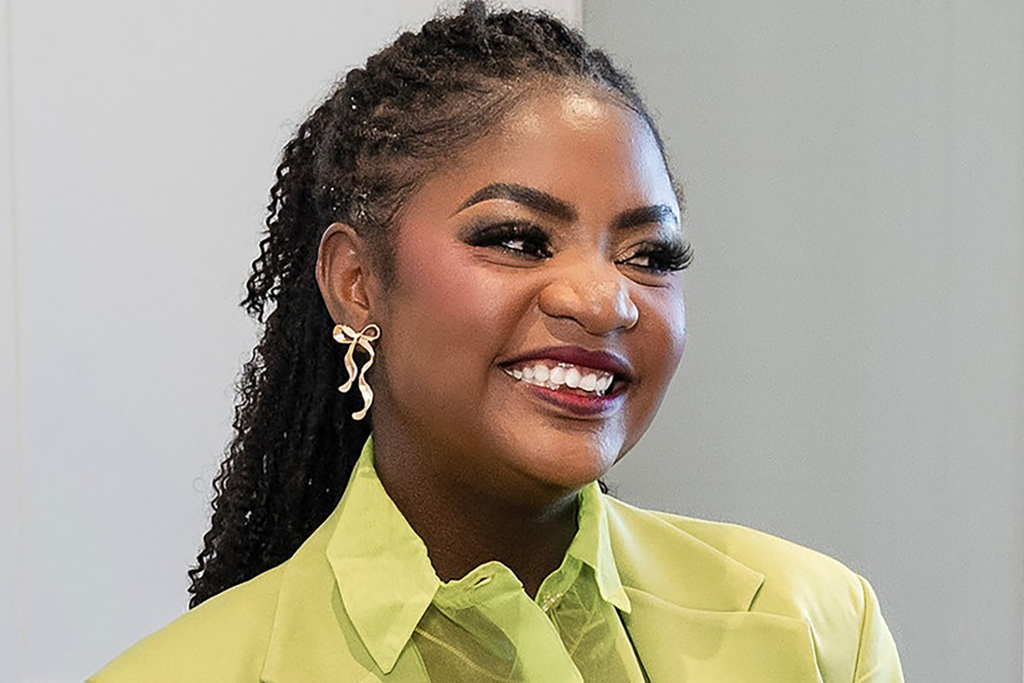
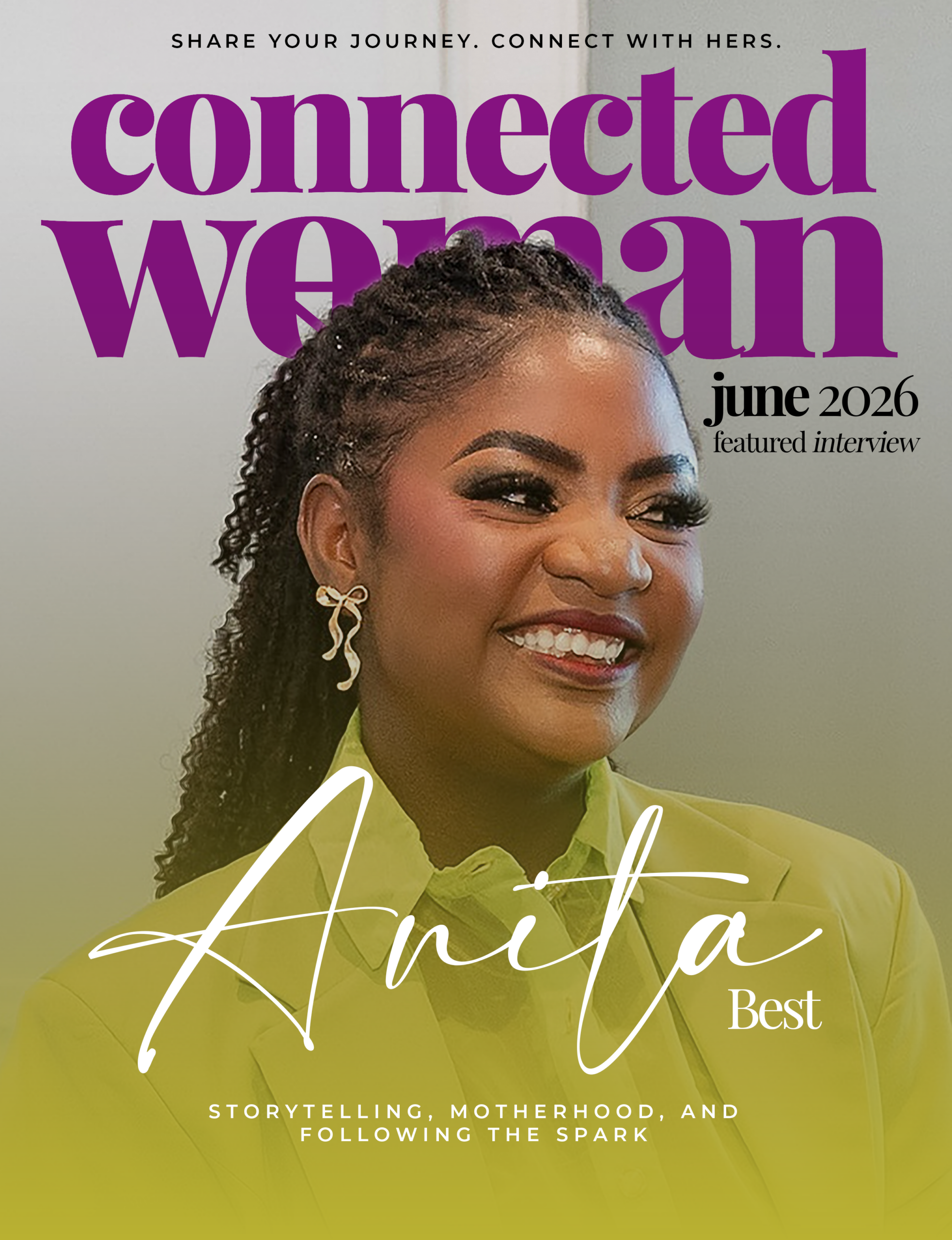
 Romance author Anita Best has built a loyal readership by creating stories where love is never simple, emotions run deep, and every connection feels earned. Known for her signature blend of slow-burn chemistry, emotional tension, and unforgettable characters, Anita crafts romances that explore the delicate balance between vulnerability and desire. Her upcoming novel, Where We Start, set for release in October 2026, follows a young woman determined to build her future until an unexpected connection challenge everything she thought she knew about love and timing.
For Anita, some of the most powerful moments in storytelling happen not during grand declarations, but in the quiet spaces between what characters feel and what they are willing to admit. “I love exploring the space between what characters feel and what they’re willing to admit,” she shares. “That’s where vulnerability and tension naturally collide.” Through character-driven plots, emotional depth, and heroines who know their worth, Anita continues to captivate readers who crave stories filled with heart, hope, and hard-earned happily-ever-after’s.
In this interview, Anita discusses her upcoming release, her approach to writing romance, balancing entrepreneurship and motherhood, and the inspiration behind the stories that keep readers turning pages late into the night. Let’s meet her…
Your upcoming novel Where We Start explores ambition, love, friendship, and early adulthood during such a transformative season of life. What initially inspired Olanma Eze’s story, and why did this particular chapter of womanhood feel important for you to write about right now?
Where We Start was born during a season where I found myself thinking a lot about beginnings. We often celebrate the destination, the marriage, the success, the happily-ever-after, but I wanted to explore the messy, uncertain space before all of that. Olanma is a young woman trying to build a life she can be proud of while carrying the expectations that come with family, culture, ambition, and adulthood.
As a Nigerian-Canadian woman, I wanted to write a heroine who felt familiar to many women navigating multiple identities at once. Early adulthood is such a transformative season. You’re discovering who you are, what you want, and what you’re willing to fight for. It felt like the perfect moment to tell a story about love arriving when someone is still becoming.
One of the most compelling aspects of your writing is the balance between emotional vulnerability and razor-edged tension. How do you approach creating romances that feel emotionally intimate while still delivering suspense, unpredictability, and high emotional stakes?
For me, tension isn’t always about external conflict. It’s often about what remains unsaid.
I love exploring the space between what characters feel and what they’re willing to admit. That’s where vulnerability and tension naturally collide. When readers understand exactly what a character stands to lose emotionally, every interaction carries weight. The goal is to create moments where a simple conversation or body language can feel just as suspenseful as a dramatic confrontation because the emotional stakes are so high.
Olanma is described as someone deeply focused on building a future, she can be proud of before love enters the picture. Why do you think so many women, especially ambitious women, struggle with the idea that love and personal goals can coexist?
Many women have been taught that they must choose. Either they pursue their ambitions wholeheartedly or they prioritize relationships. We rarely talk about what it looks like to build both simultaneously.
I wanted Olanma to represent a woman who refuses to apologize for her goals. She loves deeply, but she also has dreams that matter. I think many ambitious women fear losing themselves inside a relationship. The right love doesn’t require you to shrink. It should create space for you to become more of who you already are.
Wesley Beaucroft is portrayed as intentional, observant, and emotionally disarming in a way that challenges Olanma’s defenses. What makes a love interest truly unforgettable to you as a writer, and what qualities did you want Wesley to embody beyond the traditional romantic lead?
An unforgettable love interest isn’t defined by grand gestures alone. It’s someone who truly sees the heroine.
Wesley is intentional. He pays attention. He listens. He notices things other people overlook and above all he is not perfect. Beyond romance, I wanted him to embody emotional maturity, steadiness, and genuine respect. He’s confident without being controlling, protective without being possessive, and romantic without losing his individuality. Those qualities tend to stay with readers long after the story ends.
Your stories often include themes like found family, secret pasts, protective love interests, and heroines who know their worth. Why are those recurring themes so important to your storytelling, and how do they reflect the kinds of emotional journeys you personally connect with?
Because relationships shape us.
Romance is at the center of my stories, but it’s never the only relationship that matters. Friendship, family, community, and support systems all influence who we become. Found family, especially, resonates deeply with me because sometimes the people who love us best are the people we choose.
I love writing characters who discover they are worthy of love exactly as they are. That’s a journey I’ll probably never get tired of exploring.
You’ve described your writing style as “slow-burn heat” with “big emotion and big twists.” What do you think readers misunderstand about the art of writing slow-burn romance, and why do you believe anticipation can sometimes be more powerful than immediacy?
People often mistake slow burn for “nothing happening.”
In reality, a great slow burn is packed with emotional movement. Every conversation, every glance, every shift in the relationship matters. The anticipation becomes part of the story itself.
When done well, readers aren’t waiting for the romance to begin. They’re already experiencing it. Sometimes the moments before a first kiss can be more powerful than the kiss itself because readers have become emotionally invested in earning that moment alongside the characters.
Where We Start is set against the backdrop of Ontario and the uncertainty of early adulthood. How much does setting influence the emotional tone of your books, and what do you want readers to feel about this world specifically?
Setting plays a huge role in my storytelling.
Ontario isn’t just a backdrop in Where We Start. It’s part of the characters’ experiences. The city energy, changing seasons, familiar landmarks, and multicultural communities all contribute to the emotional atmosphere of the story.
I want readers to feel grounded in a real place. Whether they’re from Ontario or not, I hope the setting feels lived-in and authentic, like a world they could step into themselves.
You have a unique balance of roles — author, entrepreneur, wife, mother, and owner of Elysian Soirées. How has running an event space shaped your creativity, storytelling, or understanding of human connection and emotion?
Running an event space has taught me so much about people.
I’ve witnessed joy, excitement, nervousness, reconciliation, celebration, and love in countless forms. Events bring out authentic emotion because people are often experiencing meaningful milestones.
As a writer, that experience has strengthened my understanding of human connection. It reminds me that even the biggest moments are built from small emotional interactions, and that’s exactly how I approach storytelling.
Many writers talk about creating chemistry between characters, but your stories seem to focus heavily on emotional tension in quiet moments. As someone who says your “superpower” is turning quiet moments into breathless chapters, what do you think makes subtle emotional scenes resonate so deeply with readers?
Because that’s often how life works.
Some of the most significant moments in our lives happen quietly. A conversation in the kitchen. A hand squeeze. A lingering look. A simple question asked at exactly the right time.
Readers recognize those moments because they’ve lived them. When a scene captures an authentic emotion, it doesn’t need fireworks to leave an impact. Sometimes a whisper carries more weight than a shout.
Romance author Anita Best has built a loyal readership by creating stories where love is never simple, emotions run deep, and every connection feels earned. Known for her signature blend of slow-burn chemistry, emotional tension, and unforgettable characters, Anita crafts romances that explore the delicate balance between vulnerability and desire. Her upcoming novel, Where We Start, set for release in October 2026, follows a young woman determined to build her future until an unexpected connection challenge everything she thought she knew about love and timing.
For Anita, some of the most powerful moments in storytelling happen not during grand declarations, but in the quiet spaces between what characters feel and what they are willing to admit. “I love exploring the space between what characters feel and what they’re willing to admit,” she shares. “That’s where vulnerability and tension naturally collide.” Through character-driven plots, emotional depth, and heroines who know their worth, Anita continues to captivate readers who crave stories filled with heart, hope, and hard-earned happily-ever-after’s.
In this interview, Anita discusses her upcoming release, her approach to writing romance, balancing entrepreneurship and motherhood, and the inspiration behind the stories that keep readers turning pages late into the night. Let’s meet her…
Your upcoming novel Where We Start explores ambition, love, friendship, and early adulthood during such a transformative season of life. What initially inspired Olanma Eze’s story, and why did this particular chapter of womanhood feel important for you to write about right now?
Where We Start was born during a season where I found myself thinking a lot about beginnings. We often celebrate the destination, the marriage, the success, the happily-ever-after, but I wanted to explore the messy, uncertain space before all of that. Olanma is a young woman trying to build a life she can be proud of while carrying the expectations that come with family, culture, ambition, and adulthood.
As a Nigerian-Canadian woman, I wanted to write a heroine who felt familiar to many women navigating multiple identities at once. Early adulthood is such a transformative season. You’re discovering who you are, what you want, and what you’re willing to fight for. It felt like the perfect moment to tell a story about love arriving when someone is still becoming.
One of the most compelling aspects of your writing is the balance between emotional vulnerability and razor-edged tension. How do you approach creating romances that feel emotionally intimate while still delivering suspense, unpredictability, and high emotional stakes?
For me, tension isn’t always about external conflict. It’s often about what remains unsaid.
I love exploring the space between what characters feel and what they’re willing to admit. That’s where vulnerability and tension naturally collide. When readers understand exactly what a character stands to lose emotionally, every interaction carries weight. The goal is to create moments where a simple conversation or body language can feel just as suspenseful as a dramatic confrontation because the emotional stakes are so high.
Olanma is described as someone deeply focused on building a future, she can be proud of before love enters the picture. Why do you think so many women, especially ambitious women, struggle with the idea that love and personal goals can coexist?
Many women have been taught that they must choose. Either they pursue their ambitions wholeheartedly or they prioritize relationships. We rarely talk about what it looks like to build both simultaneously.
I wanted Olanma to represent a woman who refuses to apologize for her goals. She loves deeply, but she also has dreams that matter. I think many ambitious women fear losing themselves inside a relationship. The right love doesn’t require you to shrink. It should create space for you to become more of who you already are.
Wesley Beaucroft is portrayed as intentional, observant, and emotionally disarming in a way that challenges Olanma’s defenses. What makes a love interest truly unforgettable to you as a writer, and what qualities did you want Wesley to embody beyond the traditional romantic lead?
An unforgettable love interest isn’t defined by grand gestures alone. It’s someone who truly sees the heroine.
Wesley is intentional. He pays attention. He listens. He notices things other people overlook and above all he is not perfect. Beyond romance, I wanted him to embody emotional maturity, steadiness, and genuine respect. He’s confident without being controlling, protective without being possessive, and romantic without losing his individuality. Those qualities tend to stay with readers long after the story ends.
Your stories often include themes like found family, secret pasts, protective love interests, and heroines who know their worth. Why are those recurring themes so important to your storytelling, and how do they reflect the kinds of emotional journeys you personally connect with?
Because relationships shape us.
Romance is at the center of my stories, but it’s never the only relationship that matters. Friendship, family, community, and support systems all influence who we become. Found family, especially, resonates deeply with me because sometimes the people who love us best are the people we choose.
I love writing characters who discover they are worthy of love exactly as they are. That’s a journey I’ll probably never get tired of exploring.
You’ve described your writing style as “slow-burn heat” with “big emotion and big twists.” What do you think readers misunderstand about the art of writing slow-burn romance, and why do you believe anticipation can sometimes be more powerful than immediacy?
People often mistake slow burn for “nothing happening.”
In reality, a great slow burn is packed with emotional movement. Every conversation, every glance, every shift in the relationship matters. The anticipation becomes part of the story itself.
When done well, readers aren’t waiting for the romance to begin. They’re already experiencing it. Sometimes the moments before a first kiss can be more powerful than the kiss itself because readers have become emotionally invested in earning that moment alongside the characters.
Where We Start is set against the backdrop of Ontario and the uncertainty of early adulthood. How much does setting influence the emotional tone of your books, and what do you want readers to feel about this world specifically?
Setting plays a huge role in my storytelling.
Ontario isn’t just a backdrop in Where We Start. It’s part of the characters’ experiences. The city energy, changing seasons, familiar landmarks, and multicultural communities all contribute to the emotional atmosphere of the story.
I want readers to feel grounded in a real place. Whether they’re from Ontario or not, I hope the setting feels lived-in and authentic, like a world they could step into themselves.
You have a unique balance of roles — author, entrepreneur, wife, mother, and owner of Elysian Soirées. How has running an event space shaped your creativity, storytelling, or understanding of human connection and emotion?
Running an event space has taught me so much about people.
I’ve witnessed joy, excitement, nervousness, reconciliation, celebration, and love in countless forms. Events bring out authentic emotion because people are often experiencing meaningful milestones.
As a writer, that experience has strengthened my understanding of human connection. It reminds me that even the biggest moments are built from small emotional interactions, and that’s exactly how I approach storytelling.
Many writers talk about creating chemistry between characters, but your stories seem to focus heavily on emotional tension in quiet moments. As someone who says your “superpower” is turning quiet moments into breathless chapters, what do you think makes subtle emotional scenes resonate so deeply with readers?
Because that’s often how life works.
Some of the most significant moments in our lives happen quietly. A conversation in the kitchen. A hand squeeze. A lingering look. A simple question asked at exactly the right time.
Readers recognize those moments because they’ve lived them. When a scene captures an authentic emotion, it doesn’t need fireworks to leave an impact. Sometimes a whisper carries more weight than a shout.
 Romance readers today are craving layered female protagonists who feel authentic rather than perfect. How do you approach writing heroines who are strong, emotionally complex, and deeply human without reducing them to stereotypes?
I start by allowing them to be imperfect.
Strength isn’t about having all the answers. It’s about continuing to move forward despite uncertainty, fear, mistakes, and setbacks. I want my heroines to feel like real women. They’re capable, ambitious, vulnerable, stubborn, loving, and occasionally wrong.
The goal isn’t perfection. The goal is authenticity.
Between motherhood (including painting and light switch training 😊), entrepreneurship, marriage, and writing, your life appears beautifully full but also incredibly demanding. What have you learned about balance, creativity, and self-preservation while managing so many meaningful roles at once?
I’ve learned that balance isn’t something you achieve once and keep forever.
It’s a constant adjustment. Some days my family needs more of me. Some days my business does. Some days writing takes center stage.
I’ve also learned that rest is productive. Creativity thrives when we give ourselves permission to pause. The more full my life becomes, the more intentional I have to be about protecting my energy and being present wherever I am.
There’s often a conversation in romance literature about writing “escapism” versus writing emotional realism. Where do you think your books fall within that conversation, and how important is emotional truth in your storytelling?
I think my books sit somewhere in the middle.
Readers come to romance for hope, connection, and emotional satisfaction. That’s the escapist element. But I also want my characters’ emotions to feel genuine and recognizable.
No matter how romantic a moment is, it has to feel emotionally true. Readers may not have lived my characters’ exact experiences, but I want them to recognize the emotions underneath them.
Your readers are drawn to stories where love feels earned rather than effortless. Why do you think audiences connect so strongly to couples who have to truly fight for their happy ending?
Because they feel real.
When characters face obstacles, make mistakes, grow, and fight for each other, the happy ending becomes more meaningful. Readers invest emotionally in that journey.
A hard-earned happy ending reminds us that love isn’t about perfection. It’s about choosing each other, again and again, even when things become difficult.
You’ve built a brand that feels very personal and relatable — from sharing random life stories to discussing your love of vanilla lattes and everyday moments. How important is authenticity to you in an online world where authors are often expected to constantly market themselves?
It’s everything.
Readers can tell when someone is showing up as themselves. I love sharing my journey as an author, but I also love sharing everyday moments, whether it’s family life, a funny story, or my ongoing love affair with plain toasted bagel with cream cheese.
Books connect people through stories, but authenticity helps build community. I never want readers to feel like they’re only seeing a marketing version of me. I am too funny for that.
Looking back on your writing journey so far, what has surprised you most about yourself — not just as an author, but as a woman navigating creativity, ambition, family life, and personal growth simultaneously?
I’ve been surprised by my capacity.
There have been seasons where I’ve been balancing motherhood, marriage, entrepreneurship, a full-time career, and writing books. Looking back, I’m amazed by how much we’re capable of carrying when we’re passionate about what we’re building.
I’ve also learned that growth often happens in the moments where you feel least prepared. Every challenge has expanded my confidence in ways I never expected. Grateful to my community for their constant “you got this” speech.
With Where We Start arriving in October 2026 and readers already excited about the release, what do you hope people walk away feeling after they finish the final page, and what kind of emotional experience do you hope lingers with them long after the story ends?
I hope they close the book feeling hopeful.
I hope they feel seen in their ambitions, encouraged in their dreams, and reminded that love doesn’t have to compete with personal growth. The right people will celebrate who you’re becoming.
More than anything, I hope readers walk away feeling connected. Connected to the characters, to their own journeys, and to the idea that it’s okay to still be figuring things out. Sometimes the most beautiful parts of life happen while we’re still becoming the people we’re meant to be.
How can our readers connect?
People can preorder my upcoming release “Where We Start”
Romance readers today are craving layered female protagonists who feel authentic rather than perfect. How do you approach writing heroines who are strong, emotionally complex, and deeply human without reducing them to stereotypes?
I start by allowing them to be imperfect.
Strength isn’t about having all the answers. It’s about continuing to move forward despite uncertainty, fear, mistakes, and setbacks. I want my heroines to feel like real women. They’re capable, ambitious, vulnerable, stubborn, loving, and occasionally wrong.
The goal isn’t perfection. The goal is authenticity.
Between motherhood (including painting and light switch training 😊), entrepreneurship, marriage, and writing, your life appears beautifully full but also incredibly demanding. What have you learned about balance, creativity, and self-preservation while managing so many meaningful roles at once?
I’ve learned that balance isn’t something you achieve once and keep forever.
It’s a constant adjustment. Some days my family needs more of me. Some days my business does. Some days writing takes center stage.
I’ve also learned that rest is productive. Creativity thrives when we give ourselves permission to pause. The more full my life becomes, the more intentional I have to be about protecting my energy and being present wherever I am.
There’s often a conversation in romance literature about writing “escapism” versus writing emotional realism. Where do you think your books fall within that conversation, and how important is emotional truth in your storytelling?
I think my books sit somewhere in the middle.
Readers come to romance for hope, connection, and emotional satisfaction. That’s the escapist element. But I also want my characters’ emotions to feel genuine and recognizable.
No matter how romantic a moment is, it has to feel emotionally true. Readers may not have lived my characters’ exact experiences, but I want them to recognize the emotions underneath them.
Your readers are drawn to stories where love feels earned rather than effortless. Why do you think audiences connect so strongly to couples who have to truly fight for their happy ending?
Because they feel real.
When characters face obstacles, make mistakes, grow, and fight for each other, the happy ending becomes more meaningful. Readers invest emotionally in that journey.
A hard-earned happy ending reminds us that love isn’t about perfection. It’s about choosing each other, again and again, even when things become difficult.
You’ve built a brand that feels very personal and relatable — from sharing random life stories to discussing your love of vanilla lattes and everyday moments. How important is authenticity to you in an online world where authors are often expected to constantly market themselves?
It’s everything.
Readers can tell when someone is showing up as themselves. I love sharing my journey as an author, but I also love sharing everyday moments, whether it’s family life, a funny story, or my ongoing love affair with plain toasted bagel with cream cheese.
Books connect people through stories, but authenticity helps build community. I never want readers to feel like they’re only seeing a marketing version of me. I am too funny for that.
Looking back on your writing journey so far, what has surprised you most about yourself — not just as an author, but as a woman navigating creativity, ambition, family life, and personal growth simultaneously?
I’ve been surprised by my capacity.
There have been seasons where I’ve been balancing motherhood, marriage, entrepreneurship, a full-time career, and writing books. Looking back, I’m amazed by how much we’re capable of carrying when we’re passionate about what we’re building.
I’ve also learned that growth often happens in the moments where you feel least prepared. Every challenge has expanded my confidence in ways I never expected. Grateful to my community for their constant “you got this” speech.
With Where We Start arriving in October 2026 and readers already excited about the release, what do you hope people walk away feeling after they finish the final page, and what kind of emotional experience do you hope lingers with them long after the story ends?
I hope they close the book feeling hopeful.
I hope they feel seen in their ambitions, encouraged in their dreams, and reminded that love doesn’t have to compete with personal growth. The right people will celebrate who you’re becoming.
More than anything, I hope readers walk away feeling connected. Connected to the characters, to their own journeys, and to the idea that it’s okay to still be figuring things out. Sometimes the most beautiful parts of life happen while we’re still becoming the people we’re meant to be.
How can our readers connect?
People can preorder my upcoming release “Where We Start”
And they can check out my other from my website and be up to date with everything Anita Best.
Discover more from Connected Woman Magazine
Subscribe to get the latest posts sent to your email.