 For generations, women were taught that success looked a certain way.
A large house. A white picket fence. Multiple bedrooms. Formal dining rooms. Guest rooms that rarely saw guests. Storage units full of things we forgot we owned.
The dream was always bigger.
Bigger homes. Bigger mortgages. Bigger utility bills. Bigger obligations.
But something interesting has happened over the last several years. More women are beginning to question whether bigger actually means better.
Across the country, women from all walks of life are embracing alternative housing options such as tiny homes, RV living, and newly renovated mobile homes. Some are retirees looking to stretch their retirement dollars. Others are empty nesters no longer interested in maintaining large homes. Some are divorcees starting over, while others are entrepreneurs, remote workers, and adventure seekers who simply want more freedom and less financial pressure.
What was once viewed as unconventional has become a growing movement centered around flexibility, affordability, simplicity, and intentional living.
The question many women are asking isn’t, “How can I get a bigger house?”
It’s becoming, “How much house do I really need?”
The Shift Toward Living Smaller
Housing costs continue to rise across much of the country. Property taxes increase. Homeowners insurance climbs. Utility costs fluctuate. Maintenance expenses never seem to end.
For many women, especially those navigating life transitions, the financial burden of traditional homeownership has become exhausting.
At the same time, priorities are changing.
Many women no longer want to spend entire weekends cleaning rooms they rarely use or paying thousands of dollars each year to maintain square footage that doesn’t significantly improve their quality of life.
Instead, they want experiences.
They want flexibility.
They want financial breathing room.
They want the ability to travel, start businesses, save for retirement, or simply live with less stress.
Living smaller has become less about sacrifice and more about creating space for what truly matters.
Tiny Homes: Living Intentionally
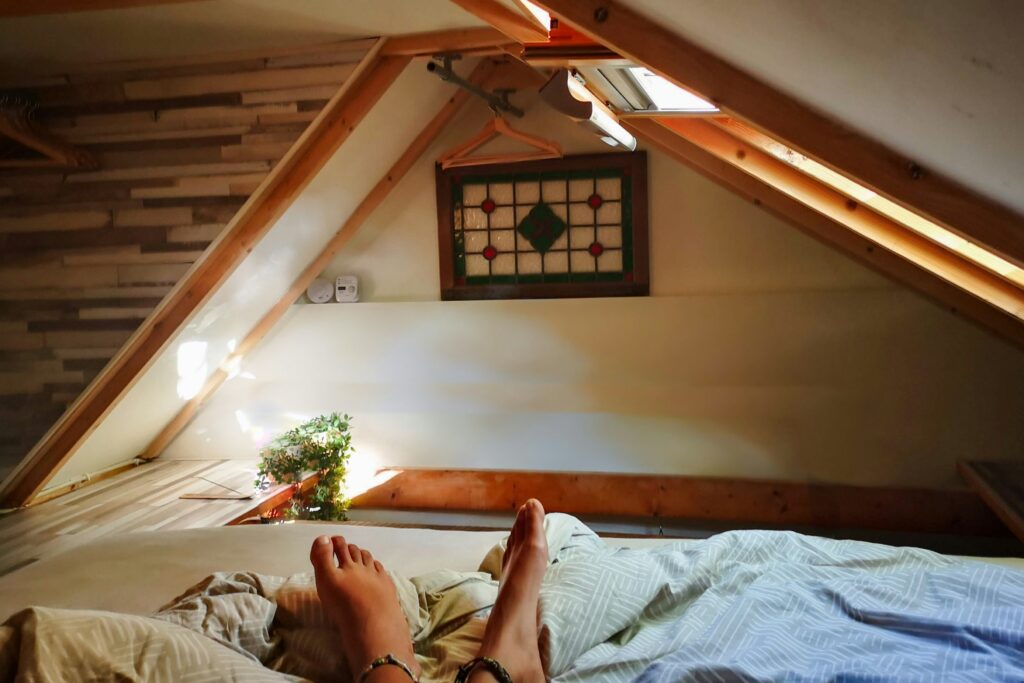
Tiny homes have become one of the most visible symbols of the minimalist movement.
Typically ranging from 100 to 400 square feet, these compact homes challenge nearly everything society has taught us about housing.
Yet many women are finding them surprisingly liberating.
When every square foot matters, you become intentional about what enters your home. Furniture serves multiple purposes. Storage becomes creative. Purchases become thoughtful rather than impulsive.
Many women describe tiny living as a lifestyle reset.
Without endless closets and spare rooms, there is less pressure to accumulate things.
Instead of managing possessions, they focus on managing experiences.
 Pros of Tiny Home Living
Tiny homes are often significantly less expensive than traditional houses.
Utility bills are generally lower because there is less space to heat and cool.
Maintenance is minimal compared to larger homes.
Many tiny homeowners experience less financial stress due to reduced housing costs.
The smaller footprint encourages decluttering and more intentional consumption.
Cons of Tiny Home Living
Storage can become challenging, especially for women who work from home or enjoy hobbies requiring equipment or supplies.
Hosting family and overnight guests may be difficult.
Privacy can be limited if multiple people live in the space.
Some municipalities have zoning restrictions that can make placement difficult.
Living in a small space requires strong organizational habits and a willingness to regularly edit your belongings.
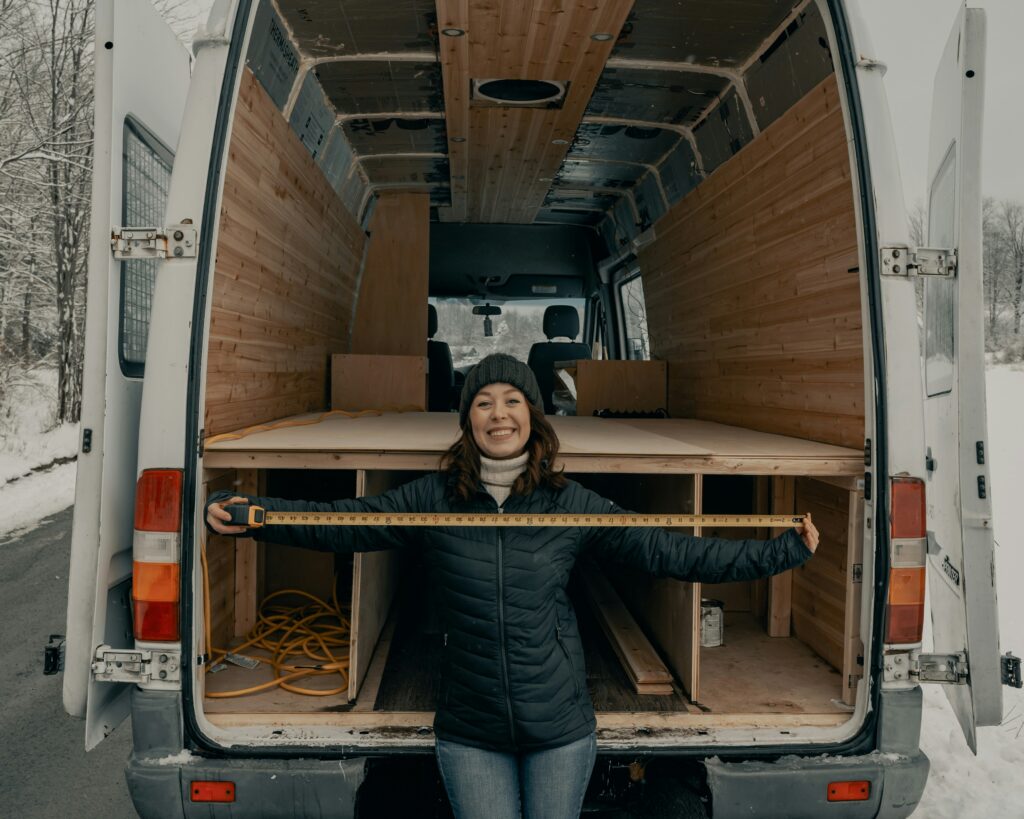
RV Living: Home Wherever You Park It
For women who crave adventure, RV living offers something a traditional home cannot.
Mobility.
The ability to wake up near a mountain one month and beside a beach the next.
While RV living was once primarily associated with retirees, today’s RV communities include remote workers, digital entrepreneurs, solo female travelers, content creators, and women simply seeking a different way of life.
Many women are discovering that home doesn’t necessarily have to be tied to one address.
Instead, home becomes wherever they choose to park.
Pros of RV Living
Travel opportunities are unmatched.
Women can explore different regions without constantly booking hotels or vacation rentals.
Many RV owners reduce housing expenses significantly.
There is a growing community of women who travel and live full-time in RVs, creating opportunities for friendship and support.
The lifestyle encourages flexibility and spontaneity.
Cons of RV Living
Maintenance can be frequent and sometimes expensive.
Limited space requires careful planning and organization.
Internet access can be inconsistent depending on location.
Weather conditions can greatly impact comfort.
Finding safe and affordable parking locations requires ongoing research.
Some women also discover that while RV living looks glamorous on social media, it still involves daily responsibilities such as dumping tanks, monitoring utilities, and maintaining mechanical systems.
 Mobile Home Renovations: Affordable Housing with Endless Possibilities
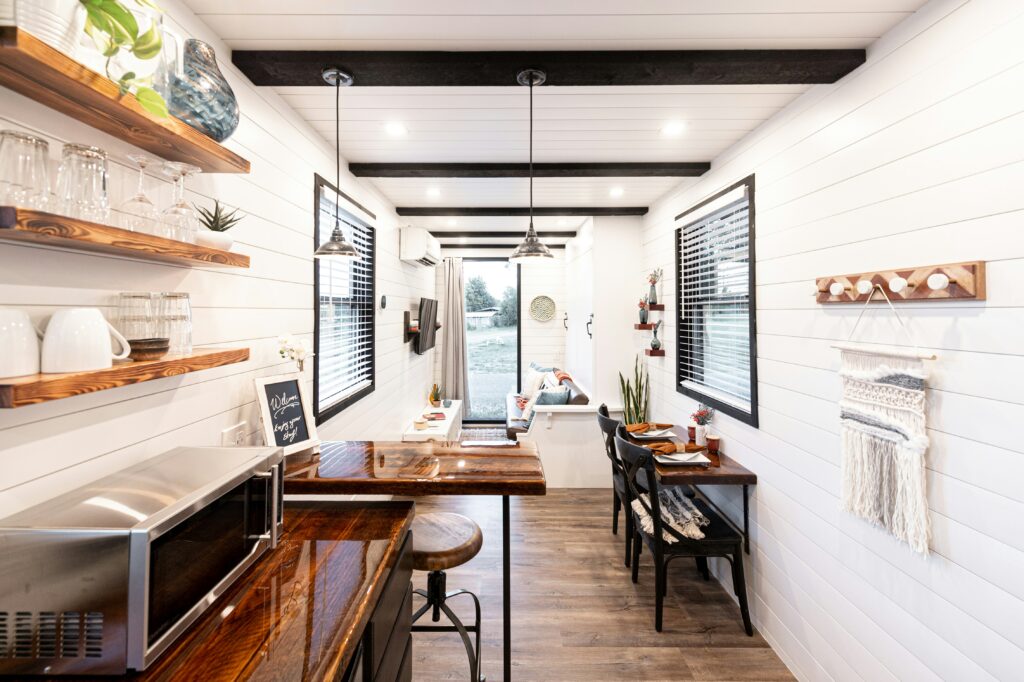
Perhaps one of the most exciting trends is the growing number of women purchasing older mobile homes and transforming them into beautiful, customized spaces.
Social media platforms are filled with inspiring before-and-after renovations showcasing modern kitchens, luxury bathrooms, farmhouse aesthetics, bohemian retreats, and contemporary designs that rival traditional homes.
Many women are finding that purchasing a used mobile home and renovating it allows them to achieve homeownership at a fraction of traditional housing costs.
Rather than spending hundreds of thousands of dollars on a conventional house, they are investing in properties they can personalize while staying within budget.
Pros of Mobile Home Renovation
The initial purchase price is often significantly lower than traditional homes.
Renovations allow women to create spaces that reflect their personal style.
Many mobile homes offer more square footage than tiny homes while remaining affordable.
Monthly housing expenses can be lower than traditional mortgages.
Creative women often enjoy the process of transforming outdated spaces into beautiful homes.
Cons of Mobile Home Renovation
Older units may require substantial repairs.
Financing can sometimes be more difficult to obtain.
Depending on the community, lot rent can add significant monthly expenses.
Resale values may not appreciate at the same rate as traditional homes.
Unexpected renovation costs can arise during remodeling projects.
Still, many women find that even with renovation expenses, mobile homes can offer an affordable path to creating a comfortable and personalized living environment.
Why Women Are Leading This Movement
At its core, this housing shift isn’t really about square footage.
It’s about freedom.
Women are increasingly redefining success on their own terms rather than following traditional expectations.
Some want less debt.
Some want more travel.
Some want to retire earlier.
Some want to recover financially after divorce or major life transitions.
Others simply want a life that feels lighter and more manageable.
The common thread isn’t necessarily the type of home they choose.
It’s the intentionality behind the choice.
They are asking deeper questions.
Does this home support the life I want?
Does this housing expense align with my goals?
Am I maintaining my home, or is my home maintaining me?
These questions are reshaping what homeownership looks like for a growing number of women.
Final Thoughts
Tiny homes, RVs, and renovated mobile homes are not perfect solutions for everyone.
Each option comes with trade-offs, challenges, and lifestyle adjustments.
But they also offer something many women are seeking in today’s world: freedom of choice.
For some women, that freedom comes from downsizing and simplifying. For others, it comes from hitting the open road. And for many, it comes from turning an affordable mobile home into a beautiful sanctuary that reflects who they are.
The beauty of this movement is that it reminds us there is no single blueprint for success.
A dream life doesn’t have to come with a 3,500-square-foot mortgage.
Sometimes it fits perfectly into 400 square feet, four wheels, or a renovated mobile home filled with creativity, comfort, and peace.
Because at the end of the day, the most important thing isn’t how large your home is.
It’s how well your home supports the life you want to live.