
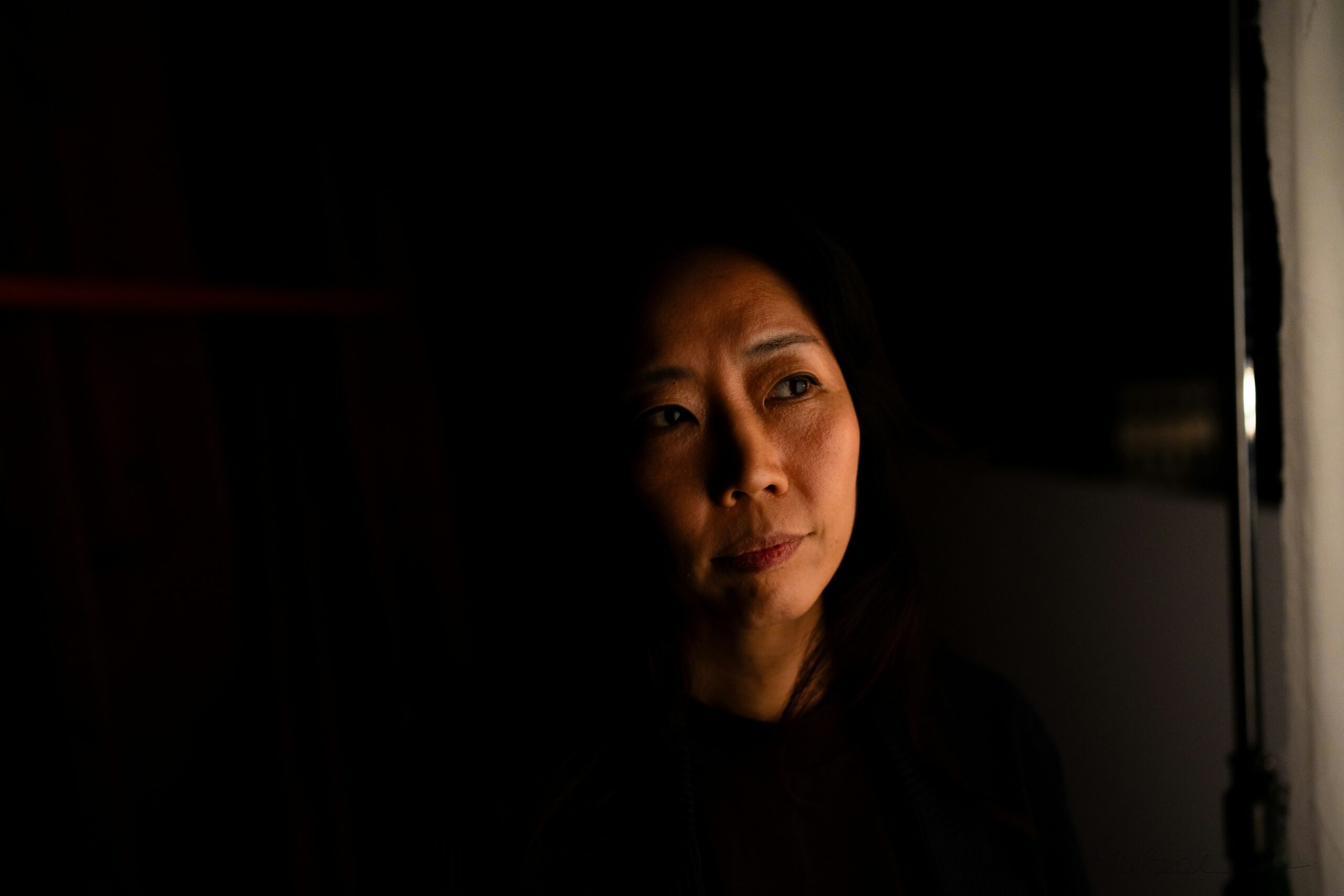
 Lauren wonders whether her fear of losing her husband has caused her to hold on so tightly that she may be preventing the marriage from growing naturally.
Dear Connected Woman
I’m writing because I recently had an uncomfortable realization about myself.
I’m in my early 50s and have been married for many years. My husband and I have had our share of ups and downs, including infidelity by both of us earlier in our marriage. We’ve worked through a lot, and today I truly love my husband. I also believe he loves me.
The problem is…I don’t think I trust the marriage itself.
I had a difficult childhood. I never had a real relationship with my biological father, and feelings of abandonment have followed me throughout my life. Looking back, I think I’ve spent most of my marriage trying to prevent anything from happening that could separate us.
Years ago I received a promotion that required me to complete a seven-month work assignment in Washington, D.C. The company was paying for an apartment, utilities, and everything I needed. My husband encouraged me to go alone while he stayed home with our four children. The family could have visited whenever they wanted.
To me, that wasn’t even a possibility.
I insisted we all move together for those seven months.
Our children were devastated. They had to leave their schools, their friends, and their routines because I couldn’t imagine being away from my husband for that long. Looking back, I realize I wasn’t making the decision based on what was best for everyone. I was making it because I didn’t think our marriage could survive a temporary separation.
Even today, I constantly text and call him throughout the day. If I’m traveling, I feel guilty if he’s not with me. I’ve never really taken overnight trips with girlfriends. I can’t imagine taking a vacation without him. If one of us is doing something, I automatically feel like the other person should be involved.
I’ve started wondering if I’ve confused closeness with control.
Am I smothering my marriage instead of protecting it?
How do I have an honest conversation with my husband about whether he feels suffocated without making him afraid to answer honestly? And how do I learn to trust our marriage enough to allow both of us some independence?
— Lauren
Dear Lauren,
First, I want to acknowledge something that takes tremendous courage.
Most people write advice columns asking how to change someone else.
You wrote asking whether you might need to change.
That alone tells me you’re emotionally mature enough to grow.
Now let’s talk honestly.
I don’t think your biggest problem is your marriage.
I think your biggest problem is fear.
Fear has quietly become the third person in your relationship.
You’re not controlling because you’re mean.
You’re controlling because you’re scared.
There’s an enormous difference.
Reading your letter, one sentence stood out above everything else.
“I don’t think I trust the marriage itself.”
That sentence explains almost every decision you’ve described.
You don’t believe your husband is incapable.
You don’t necessarily believe he’s planning to leave.
You simply don’t trust that your relationship is strong enough to withstand distance.
That’s an important distinction.
Many women who’ve experienced abandonment, inconsistent parents, divorce, betrayal, or infidelity develop an unspoken belief:
“If I keep everyone close enough, nothing bad can happen.”
It makes perfect sense.
Emotionally.
Unfortunately, relationships don’t work that way.
Love cannot be protected by proximity alone.
Let’s talk about that seven-month assignment.
From your husband’s perspective, he was saying:
“Go. I’ll hold things down here. We’re going to be okay.”
From your perspective, you heard:
“Seven months apart could destroy us.”
Those are two completely different conversations.
Your husband was expressing confidence.
You were responding from fear.
Neither of you was intentionally trying to hurt the other.
But your fear became louder than his reassurance.
The heartbreaking part?
Your children paid the price.
Not because you didn’t love them.
Because anxiety made the decision instead of trust.
I don’t say that to shame you.
I say it because acknowledging it helps explain why this pattern deserves attention now.
Your marriage has become your emotional security blanket.
That isn’t criticism.
It’s observation.
Healthy marriages absolutely provide comfort.
But they shouldn’t become the only thing that makes us feel emotionally safe.
Imagine if your husband needed to know where you were every waking hour.
Imagine if he became anxious every time you attended a conference.
Imagine if he struggled to let you spend a weekend with your sisters.
You might initially think,
“Aww…he just loves me.”
But after several years…
You’d probably start feeling responsible for managing his emotions.
That’s exhausting.
Not because you don’t love him.
Because no one can carry another person’s anxiety forever.
Here’s the question I want you to consider.
If your marriage depends on constant togetherness…
Is it actually trust?
Or is it supervision?
Strong marriages don’t survive because couples are always together.
They survive because both people believe in the commitment they’ve built.
Distance doesn’t create weak marriages.
It often exposes weaknesses that were already there.
Likewise…
Healthy marriages don’t become unhealthy simply because one spouse travels.
They remain healthy because trust travels with them.
You deserve a life that belongs to Lauren, too.
One part of your letter made me especially sad.
You wrote that you can’t imagine traveling with friends or spending the night away without your husband.
Why?
Not because you’re incapable.
But because somewhere along the way, you stopped believing Lauren could exist independently of being a wife.
Who were you before marriage?
What made you laugh?
What dreams did you have?
What adventures excited you?
What friendships energized you?
Somewhere, those parts of you became secondary.
Healthy marriages don’t erase individuality.
They celebrate it.
The goal isn’t becoming less connected.
It’s becoming two whole people choosing each other every day—not two frightened people holding on because they’re afraid of what might happen if they let go.
How to Have the Conversation
Now let’s address your biggest question.
How do you ask your husband whether he feels smothered?
Not by asking…
“Do I smother you?”
That question almost guarantees a cautious answer because he’ll worry about hurting your feelings.
Instead, invite honesty.
You might say something like:
“I’ve been doing some self-reflection lately, and I’ve realized that a lot of my need for constant closeness comes from my own fears—not necessarily from anything you’ve done. I don’t want you to protect my feelings while answering this. I genuinely want to know what our marriage feels like from your perspective. Are there times when you’ve wanted more independence or space but didn’t know how to tell me? I promise I’m asking because I want us to grow, not because I’m looking for reassurance.”
Then…
Be quiet.
Don’t interrupt.
Don’t explain.
Don’t defend.
Don’t immediately say,
“Well, I only do that because…”
Simply listen.
You may hear things that sting.
You may also hear things that surprise you.
Either way, you’ll finally be discussing the real marriage instead of the one fear has been narrating.
Begin Practicing Small Acts of Independence
Growth doesn’t happen overnight.
It happens through small, intentional choices.
Maybe you:
- Have lunch with a friend without checking your phone every five minutes.
- Take a weekend class you’ve always wanted to try.
- Spend an afternoon doing something that belongs solely to you.
- Encourage your husband to spend time with his friends without guilt.
- Plan an overnight girls’ trip and allow yourself to enjoy it.
At first, these moments may feel uncomfortable.
That’s okay.
Discomfort isn’t always a sign something is wrong.
Sometimes it’s a sign you’re building a new emotional muscle.
Remember What Trust Really Means
Trust isn’t believing nothing bad could ever happen.
That’s impossible.
Trust is believing that whatever life brings, you and your husband have built enough honesty, respect, and commitment to face it together.
No amount of texting can guarantee faithfulness.
No amount of constant togetherness can eliminate temptation.
No amount of supervision can replace genuine commitment.
If someone wants to betray a marriage, they’ll find opportunities.
If someone wants to honor a marriage, distance won’t change that.
Real security comes from the character of the people involved—not their physical proximity.
Connected Challenge for Lauren
This week, I want you to ask yourself one simple question every time you feel the urge to check in with your husband:
“Am I reaching out because I want to connect…or because I’m trying to calm my fear?”
Those are two very different motivations.
Connection strengthens love.
Fear often tightens its grip.
The more you can recognize the difference, the more freedom you’ll create for both yourself and your marriage.
Final Thoughts
Lauren, I don’t believe you’re smothering your marriage because you love your husband too much. I believe you’ve been trying to protect something precious using the only strategy your past taught you: never let too much distance exist.
But love doesn’t grow stronger because it’s held tightly. It grows stronger because it’s trusted.
Your husband doesn’t need less of your love. He needs more room to experience it without carrying the weight of your fears. And you deserve the chance to rediscover the woman you are outside of the role of wife—a woman who can enjoy friendships, pursue opportunities, travel, and grow, while still coming home to a marriage built on mutual trust.
Perhaps the next chapter of your relationship isn’t about holding on tighter.
Perhaps it’s about finally believing that what you’ve built together is strong enough to stand…even when you’re not standing side by side every moment of the day.
Disclaimer: The advice shared in this column is intended for informational, educational, and reflective purposes only. It is not a substitute for professional mental health, marriage, legal, or medical advice. Every relationship is unique, and if you are experiencing ongoing marital difficulties, unresolved trauma, emotional distress, or concerns related to your safety or well-being, consider seeking guidance from a licensed therapist, marriage counselor, or other qualified professional. The opinions expressed in this column are designed to encourage thoughtful conversation and self-reflection and should not be interpreted as professional counseling or treatment.
Discover more from Connected Woman Magazine
Subscribe to get the latest posts sent to your email.